

Yamaha Motorcycles Gear Up for Price Hikes Across Southeast Asia
Translated from Vietnamese, summarized and contextualized by DistantNews.
TLDR
- Yamaha has begun increasing motorcycle prices in Southeast Asia, with Indonesia being the first market to see adjustments.
- The price hikes are attributed to rising global plastic material costs, impacting the production expenses of plastic-heavy motorcycle models.
- This move highlights the vulnerability of the automotive industry to global supply chain fluctuations and raw material price volatility.
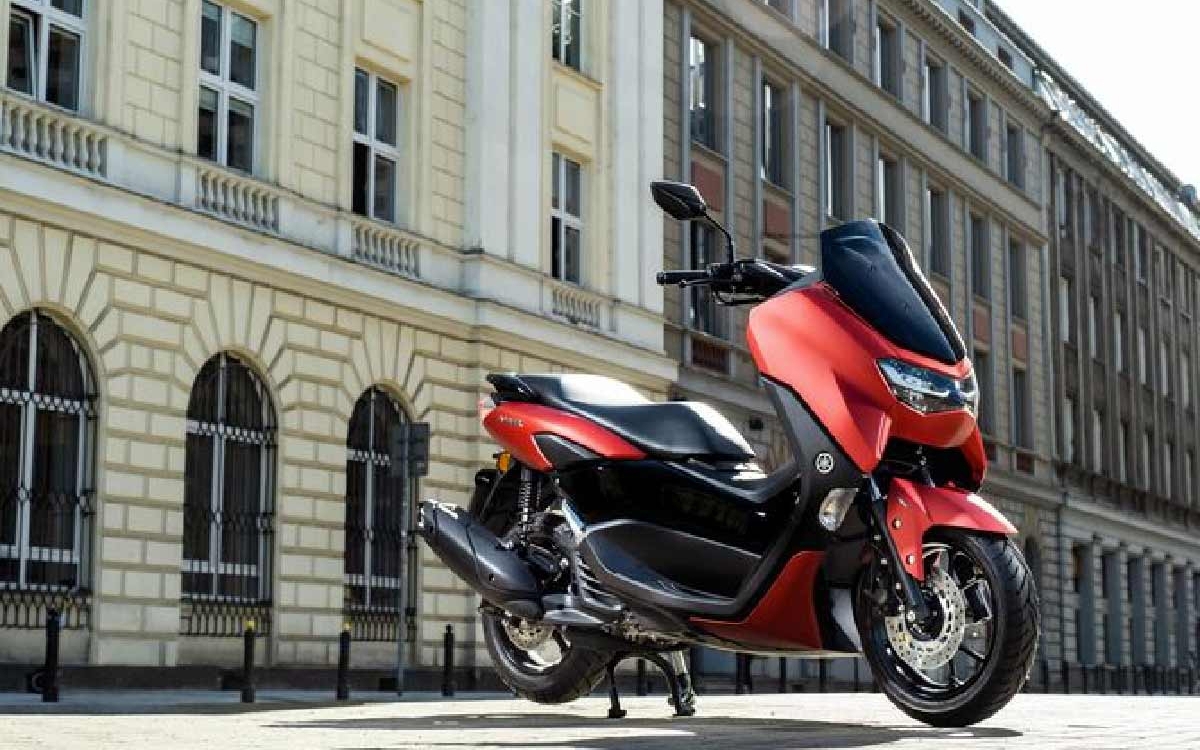
Yamaha Indonesia has initiated a price adjustment for several motorcycle models starting in April 2026, a move that signals a broader trend in the Southeast Asian market. The company cites the escalating cost of plastic materials on the global market as the primary driver for these increases. This decision directly affects consumers, particularly those looking at popular 155cc scooter segments like the Lexi LX 155 and Nmax, which will see price hikes ranging from 200,000 to 400,000 Indonesian Rupiah. Even higher-end models like the Xmax Tech Max are experiencing a significant increase of up to 1 million Rupiah.
Yamaha has become one of the first brands to increase motorcycle prices in Southeast Asia.
PT Yamaha Indonesia Motor Manufacturing's public relations director, Rifki Maulana, confirmed the price adjustments, emphasizing that global production scales make the company susceptible to supply chain disruptions. The reliance on plastic components, which form a substantial part of a motorcycle's structure, means that fluctuations in plastic prices directly translate to higher manufacturing costs. This is particularly relevant in Southeast Asia, a major hub for both motorcycle production and consumption, with countries like Vietnam and Indonesia being key players.
The price of plastic materials on the world market is trending strongly upwards, forcing vehicle manufacturers to adjust selling prices.
Analysts point out that the significant use of plastic in modern motorcycles, especially for body panels, makes their production costs highly sensitive to the price of these raw materials. While some manufacturers may attempt to maintain current prices to preserve sales volume, the sustained rise in raw material costs suggests that price adjustments are becoming increasingly unavoidable across the industry. Suzuki has also indicated a strong possibility of following suit if material costs continue to climb.
Global production scale makes the company directly impacted by the supply chain.
This situation underscores the deep interconnectedness of the manufacturing sector with global supply chains. When the cost of raw materials like polyethylene and polypropylene—both derived from petroleum and heavily used in motorcycle production—increases due to supply disruptions or global market volatility, the final price paid by consumers inevitably rises. As many nations, including Indonesia, rely on imported plastics, they are directly exposed to these international price swings.
If raw material prices increase, production costs per unit will increase. Suzuki is still monitoring, but the possibility of a price increase is quite high.
DistantNews Editorial
Originally published by Tuổi Trẻ in Vietnamese. Translated, summarized, and contextualized by our editorial team with added local perspective. Read our editorial standards.
More Stories
From Our Blog

What Gets Lost (and Found) When News Is Translated

The Critical Role of Diaspora Media in Global News

What Travellers Should Know About Countries with Restricted Press

A Digital Nomad's Guide to Following Local News

How the Same Story Looks Different in Different Countries
