


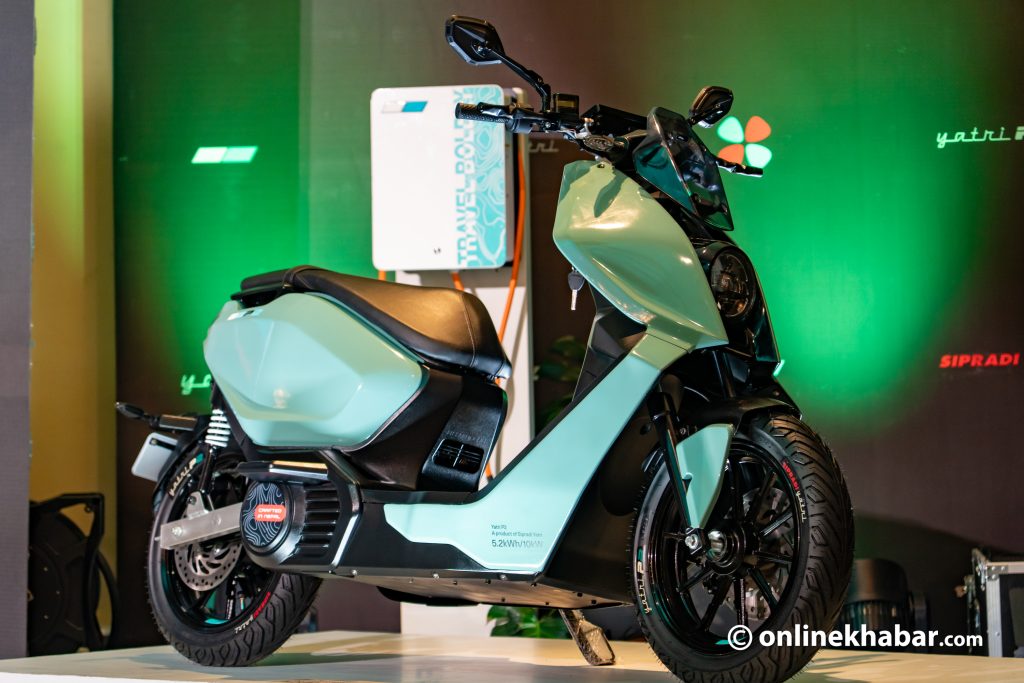
Yatri P-2: The making of a Nepali electric scooter
Summarized and contextualized by DistantNews.
At a glance
In-depth
Named sources
Context piece
- Yatri P-2, an electric scooter designed and manufactured in Nepal, underwent over two years of research, design, engineering, and road testing.
- The scooter is built with Nepal's specific road conditions and riding environments in mind, featuring three battery options with the largest offering a range of up to 157 kilometers.
- Development involved extensive digital simulations for components like the chassis and rigorous physical testing, alongside the creation of a complex electrical system with over 150 wires in its harness.
The Yatri P-2 electric scooter represents a significant homegrown technological endeavor in Nepal, born from over two years of dedicated research, design, engineering, and extensive road testing. Yatri emphasizes that the scooter is meticulously crafted to suit Nepal's unique road conditions and riding environments.
Krishna Prasad Shrestha, Yatri's Head of Product, explained that the development process began with a simple sketch, gradually evolving into a fully engineered product. Before physical manufacturing, engineers rigorously tested individual components through computer simulations. This digital phase allowed them to assess how critical parts like the chassis and swingarm would withstand stress, rough roads, and potential impacts from potholes, identifying weaknesses months in advance.
Once designs passed simulations, physical components underwent durability testing. The scooter was then put through real-world road trials, with data meticulously compared against simulation results. This iterative process ensures the scooter's resilience and performance in challenging conditions.
Beyond the mechanical aspects, the Yatri P-2 boasts a sophisticated electrical and electronic architecture. Engineers designed a complex system, including a wiring harness with over 150 wires, which is thoroughly tested on a dedicated bench before installation. Key components like the display, vehicle control unit (VCU), and throttle are integrated and tested together, ensuring functions such as the stand switch and turn indicators operate correctly, and data transmits seamlessly to the mobile application.
The first form was a sketch. It starts with a sketch and gradually develops into the final product.
DistantNews Editorial
Originally published by OnlineKhabar English. Summarized and contextualized by our editorial team with added local perspective. Read our editorial standards.
More Stories


From Our Blog

What Gets Lost (and Found) When News Is Translated

The Critical Role of Diaspora Media in Global News

What Travellers Should Know About Countries with Restricted Press

A Digital Nomad's Guide to Following Local News

How the Same Story Looks Different in Different Countries
