


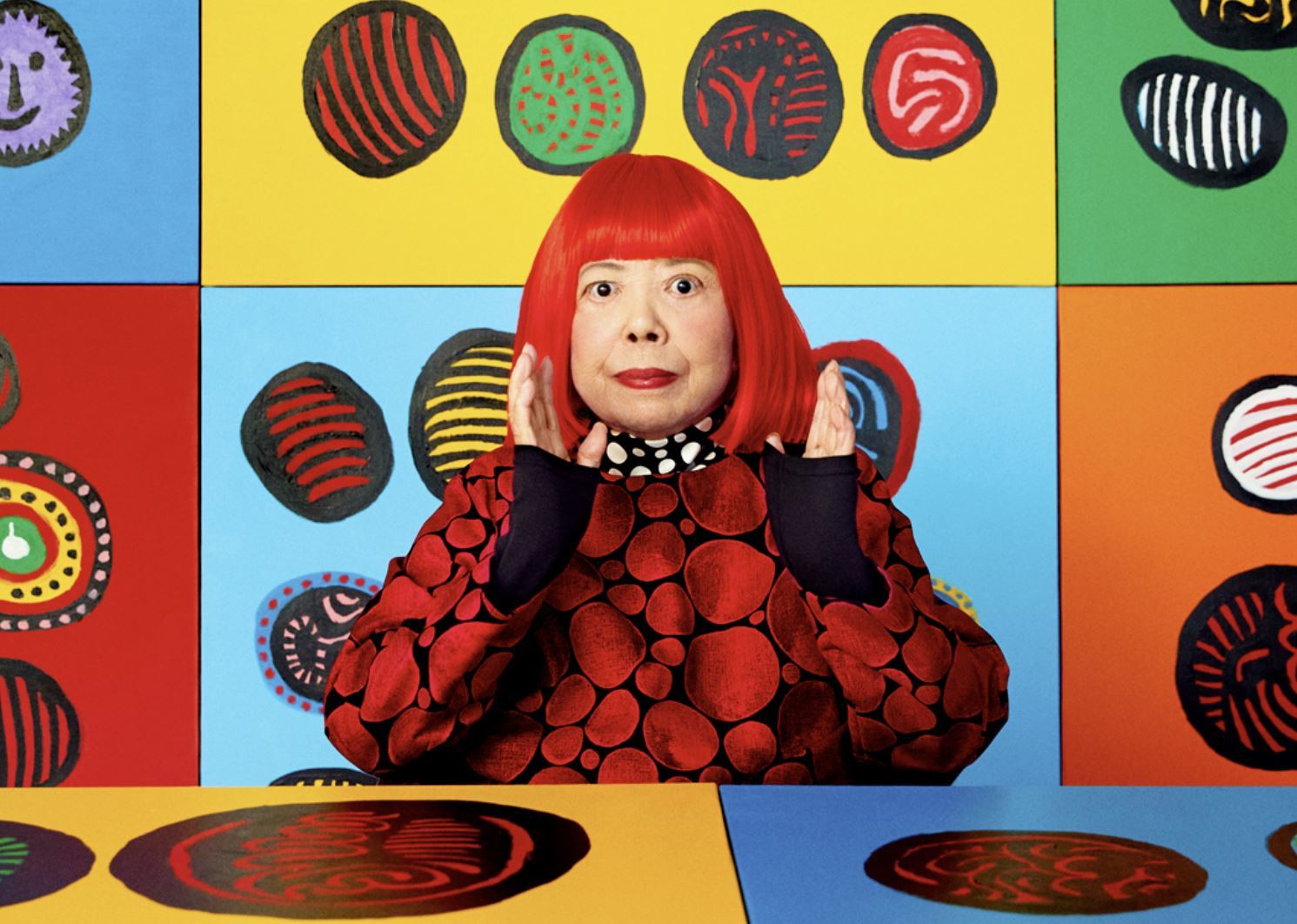
Yayoi Kusama, artist of polka dots and pumpkins, dies at 97
Translated from Korean and summarized by DistantNews. Read the original for the full story.
At a glance
News
Named sources
Outcome reported
- Japanese artist Yayoi Kusama, known for her iconic polka dots, pumpkins, and infinity mirror rooms, died at age 97.
- Kusama overcame childhood trauma and mental health struggles to become a globally recognized artist, moving to New York in 1958 and later returning to Japan to institutionalize herself.
- Her art experienced a resurgence in the 1990s, leading to international acclaim and commercial success, though she also faced controversy for past remarks.
Yayoi Kusama, the visionary Japanese artist celebrated for her distinctive polka dots, pumpkins, and immersive infinity mirror rooms, has died at the age of 97. Her studio and foundation confirmed her passing on August 27, stating she died in a Tokyo hospital and remained dedicated to her art until her final moments.
Born in 1929 in Nagano, Japan, Kusama's early life was marked by a difficult childhood. Growing up in a wealthy family, she experienced emotional distress due to her father's infidelity and her mother's harshness. At age 10, she began experiencing hallucinations, perceiving patterns and hearing voices from plants and flowers. She channeled these experiences into art, using patterns as a survival strategy and a means of healing.
Seeking to escape Japan's conservative society, Kusama moved to New York in 1958, facing her mother's ultimatum to never return. She endured poverty while creating art, eventually gaining recognition and interacting with prominent artists like Donald Judd and Frank Stella. Her artistic output expanded beyond her "Infinity Nets" paintings to include sculptures and performances, notably her "Accumulation" works featuring phallic shapes. In the late 1960s, she became a prominent figure in anti-war protests.
The deceased passed away in a hospital in Tokyo. She never put down her brush until the last moment, dedicating her life to artistic creation.
Despite her artistic achievements, Kusama faced significant discrimination and idea theft in the male-dominated art world of the time. These struggles, coupled with commercial alienation, deeply affected her, leading to an attempted suicide. She returned to Japan in 1977 and voluntarily admitted herself to a psychiatric hospital in Tokyo, which became her sanctuary for the rest of her life, with her studio located across the street.
Kusama's art experienced a remarkable revival in the 1990s. Her representation of Japan at the 1993 Venice Biennale, featuring her "Pumpkin" sculptures and mirror rooms, earned her global acclaim. In the 2000s, her "Infinity Mirror Rooms" became social media sensations, drawing hours-long queues at exhibitions worldwide. While her career soared, a controversy arose in 2002 over racist remarks in her autobiography, for which she later apologized in 2023. Her impact extended to the commercial realm, with her painting "White No. 28" fetching $7.1 million at a Christie's auction in 2014, a record for a living female artist at the time. She also collaborated with global brands like Louis Vuitton, solidifying her status as a cultural icon. Kusama often stated, "I make art for the healing of all mankind."
I make art for the healing of all mankind.
About this summary
Originally published by Dong-A Ilbo in Korean. Translated, summarized, and contextualized automatically by DistantNews, with a note on how the source frames the story. Not individually reviewed before publishing. How this works.
More Stories



From Our Blog

What Gets Lost (and Found) When News Is Translated

The Critical Role of Diaspora Media in Global News

What Travellers Should Know About Countries with Restricted Press

A Digital Nomad's Guide to Following Local News

How the Same Story Looks Different in Different Countries
