


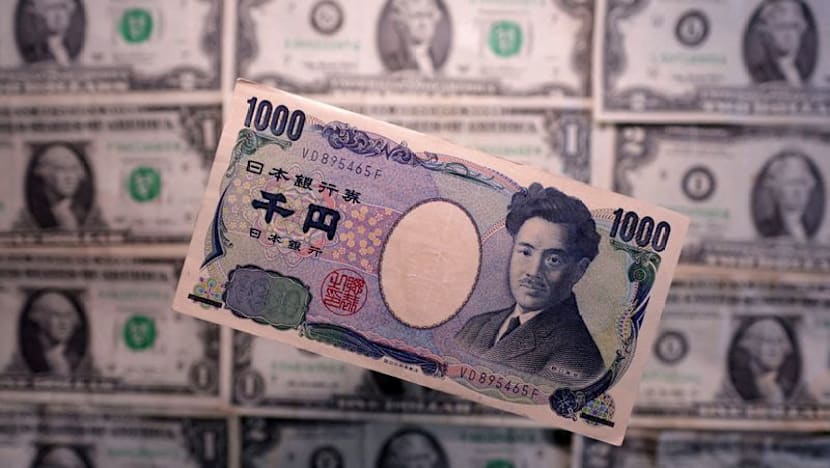
Yen Stuck in Twilight Zone as Intervention Hopes Fade
Translated from English, summarized and contextualized by DistantNews.
At a glance
News
Named sources
Context piece
- The Japanese yen is nearing a critical 160 per U.S. dollar level, prompting concerns of intervention, though past efforts have failed to stem its decline.
- The yen's weakness is primarily driven by the significant interest rate gap between Japan and other major economies, making carry trades attractive.
- Markets now anticipate the Bank of Japan may need to accelerate interest rate hikes to support the yen, with September seen as a potential timing for a hike.
The Japanese yen is once again hovering near the 160 per U.S. dollar mark, a level that has previously triggered currency market interventions. Despite significant spending by Tokyo and the U.S. to support the fragile currency in April-May and again at the end of July, these efforts have not halted the yen's slide. The currency is on track for its worst week in three months, currently trading around 159.37 against the dollar.
The persistent weakness of the yen is largely attributed to the substantial interest rate differential between Japan and other major economies. With 10-year U.S. Treasury yields near 4.7 percent compared to under 2.9 percent for Japanese government bonds, the carry trade remains highly profitable, absorbing intervention funds. This widening gap means that even billions of dollars spent defending the yen have had limited impact.
Most market players believe the BOJ will raise rates in September and I think it should.
Consequently, market participants are now looking to the Bank of Japan (BOJ) to take more decisive action. Traders are betting on a faster pace of interest rate hikes from the central bank, which some analysts believe has been relatively slow in adjusting rates. "Most market players believe the BOJ will raise rates in September and I think it should," said Mitsuhiro Furusawa, a former top currency diplomat in Tokyo. He emphasized that clear communication from the BOJ regarding the likelihood of quicker rate increases is crucial.
Recent benign U.S. inflation reports have somewhat eased the immediate pressure for a Federal Reserve rate hike, offering a glimmer of hope for the yen. However, the risk of renewed dollar strength persists, particularly as geopolitical tensions in the Middle East remain unresolved. European stock futures suggest a modestly higher open, buoyed by recent economic data indicating limited inflationary pressures.
what is more crucial is for the central bank to communicate is the likelihood of a faster pace of hikes.
DistantNews Editorial
Originally published by CNA in English. Translated, summarized, and contextualized by our editorial team with added local perspective. Read our editorial standards.
More Stories



From Our Blog

What Gets Lost (and Found) When News Is Translated

The Critical Role of Diaspora Media in Global News

What Travellers Should Know About Countries with Restricted Press

A Digital Nomad's Guide to Following Local News

How the Same Story Looks Different in Different Countries
