


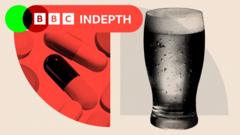
Young adults swap alcohol for prescription drugs, dividing experts on risks and benefits
Translated from English, summarized and contextualized by DistantNews.
At a glance
News
Sources not specified
Context piece
- Young adults are increasingly using prescription anxiety medication as a substitute for alcohol at parties.
- Experts warn that this trend carries significant risks and is dividing opinions on its safety and implications.
- The practice highlights a growing concern among health professionals about substance misuse among young people.
A growing number of young adults are turning to prescription anxiety medication, such as benzodiazepines, to achieve a state of euphoria similar to alcohol intoxication at social gatherings. This trend, while offering a perceived alternative to drinking, is raising alarms among health experts and sparking debate within the medical community.
While some may view this as a less harmful substitute for alcohol, medical professionals emphasize the inherent dangers. These medications, when misused, can lead to addiction, overdose, and severe withdrawal symptoms. The long-term effects on developing brains are also a significant concern, with potential for lasting cognitive and emotional damage.
The practice underscores a complex issue of substance use and mental health among young people. As societal norms around alcohol consumption evolve, and with the continued availability of prescription drugs, understanding and addressing the motivations behind this trend is crucial for public health initiatives. Experts are calling for greater awareness and education regarding the risks associated with misusing prescription medications.
DistantNews Editorial
Originally published by BBC News in English. Translated, summarized, and contextualized by our editorial team with added local perspective. Read our editorial standards.
More Stories



From Our Blog

What Gets Lost (and Found) When News Is Translated

The Critical Role of Diaspora Media in Global News

What Travellers Should Know About Countries with Restricted Press

A Digital Nomad's Guide to Following Local News

How the Same Story Looks Different in Different Countries
