


Young investors flock to clinics with 'stock depression' amid market volatility
Translated from Korean, summarized and contextualized by DistantNews.
At a glance
Interview
Named sources
Context piece
- A growing number of young people are seeking psychiatric help for "stock depression" and "stock addiction" due to significant investment losses.
- Experts attribute the rise to increased speculative trading, particularly in leveraged products, and a lack of experience with market volatility among younger investors.
- Recovery from severe financial and psychological damage can take one to two years, with a focus on returning to daily life and core occupations.
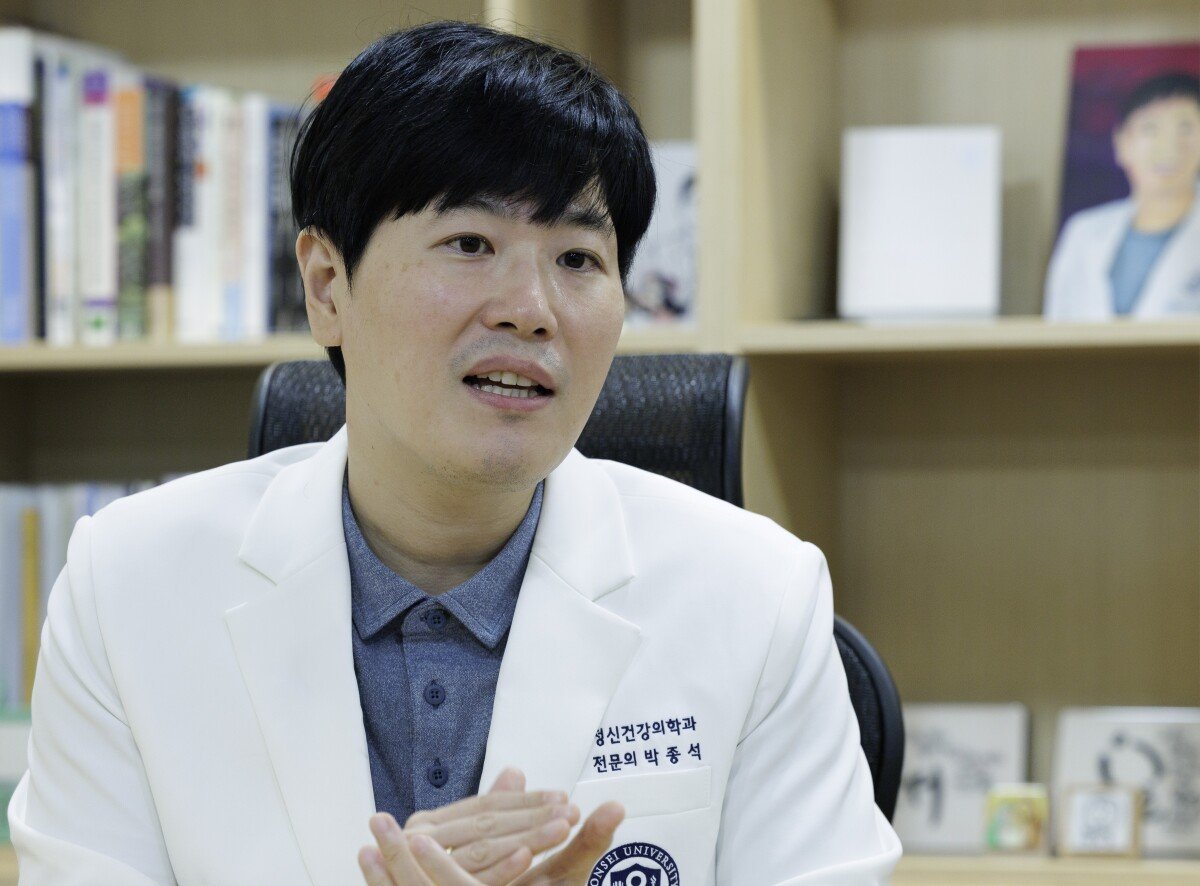
Young Koreans are increasingly experiencing "stock depression" and "stock addiction," leading them to seek professional help for the psychological toll of significant investment losses. Dr. Park Jong-seok, director at Yonsei Bom Mental Health Clinic, notes a surge in young patients, with 30% of his daily visitors now in their 20s since the stock market began its downturn in June.
Many have gambled on leveraged products, even using funds meant for down payments on apartments, and lost everything.
Dr. Park attributes this trend to several factors. Many young investors, driven by the belief that traditional employment income is insufficient for wealth accumulation, have entered the market without prior experience of stock market volatility. Unlike older generations who may have established assets and a long-term investment horizon, younger investors are more susceptible to FOMO (fear of missing out) and anxiety during market fluctuations. This often leads to impulsive trading.
"Many have gambled on leveraged products, even using funds meant for down payments on apartments, and lost everything," Dr. Park stated. He also highlighted the issue of "water-buying," or averaging down, which is often done impulsively rather than with a planned strategy and spare funds. This is driven by a psychological resistance to admitting a poor investment choice and an obsession with breaking even.
Unlike older generations who may have established assets and a long-term investment horizon, younger investors are more susceptible to FOMO (fear of missing out) and anxiety during market fluctuations.
Dr. Park advises individuals prone to impulsive trading, those who view investing as a competition, or those whose self-esteem is tied to investment outcomes to reconsider direct stock investments. He stresses the importance of objectively assessing one's ability to withstand market volatility, the capacity to hold investments through losses, and the ability to maintain daily life and primary occupation. For those struggling with stock addiction or depression, recovery can take one to two years, requiring a shift in focus from speculative trading to everyday life and core responsibilities.
Recovery from severe financial and psychological damage can take one to two years, with a focus on returning to daily life and core occupations.
DistantNews Editorial
Originally published by Dong-A Ilbo in Korean. Translated, summarized, and contextualized by our editorial team with added local perspective. Read our editorial standards.
More Stories

From Our Blog

What Gets Lost (and Found) When News Is Translated

The Critical Role of Diaspora Media in Global News

What Travellers Should Know About Countries with Restricted Press

A Digital Nomad's Guide to Following Local News

How the Same Story Looks Different in Different Countries
