


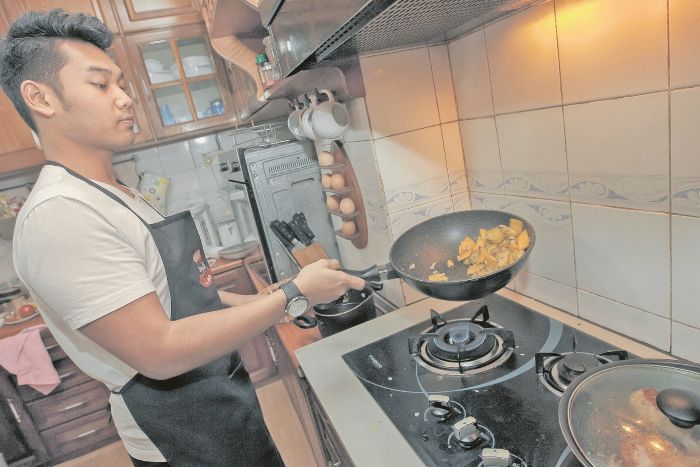
Young Malaysians drift away from the kitchen
Translated from Malay, summarized and contextualized by DistantNews.
At a glance
In-depth
Sources not specified
Context piece
- A growing disconnect between young Malaysians and home cooking is observed, with many preferring food delivery apps over kitchen skills.
- This trend reflects broader cultural shifts, driven by convenience, fast food, and modern lifestyles, leading to a decline in cooking as a basic life skill and family bonding activity.
- The reliance on external food sources has long-term implications for health, household economics, and food security, though interest in food remains high through consumption and social media.
The kitchen, once the heart of Malaysian homes, is fading from the lives of young people. The sounds of the mortar and pestle and the aroma of sautéed onions are being replaced by the tap of fingers on food delivery apps. This shift signifies more than just a lack of cooking ability or laziness; it points to a wider transformation in food culture, loosening the ties between people, food, family, and essential life skills.
The rise of convenience and food delivery services has made accessing meals incredibly easy. With just a few smartphone taps, food arrives quickly at the doorstep. In today's fast-paced world, this convenience is a primary choice for many young individuals. However, this ease comes with significant long-term consequences. Cooking is no longer seen as a fundamental skill by many young adults, often perceived as burdensome, time-consuming, and incompatible with modern lifestyles. Consequently, more people are entering adulthood without basic food preparation skills.
Simultaneously, the kitchen's role as a space for family interaction is diminishing. Previously, kitchens were gathering places where family members shared cooking knowledge and bonded. This tradition is now being supplanted by pre-packaged meals, reducing intergenerational connection. In the long run, this trend impacts health, household finances, and food security, as societies overly dependent on outside food face price volatility and supply uncertainties.
Ironically, young people's interest in food remains strong, albeit in a different form. Viral food trends, aesthetic cafes, and social media content demonstrate food's continued relevance. The relationship has shifted from producer to consumer. However, blame does not lie solely with the younger generation. Pressures from the cost of living, demanding work schedules, limited living spaces, and urban lifestyles also contribute. Nevertheless, cooking should be recognized again as a vital life skill, not just a hobby. It is closely linked to health, financial management, family relationships, and cultural heritage. If kitchens continue to be marginalized, Malaysia risks losing not only a skill but also a part of its societal identity. The question remains: will the kitchen endure as a living space in Malaysian homes, or will it slowly become a relic of the past?
DistantNews Editorial
Originally published by Utusan Malaysia in Malay. Translated, summarized, and contextualized by our editorial team with added local perspective. Read our editorial standards.
More Stories



From Our Blog

What Gets Lost (and Found) When News Is Translated

The Critical Role of Diaspora Media in Global News

What Travellers Should Know About Countries with Restricted Press

A Digital Nomad's Guide to Following Local News

How the Same Story Looks Different in Different Countries
