

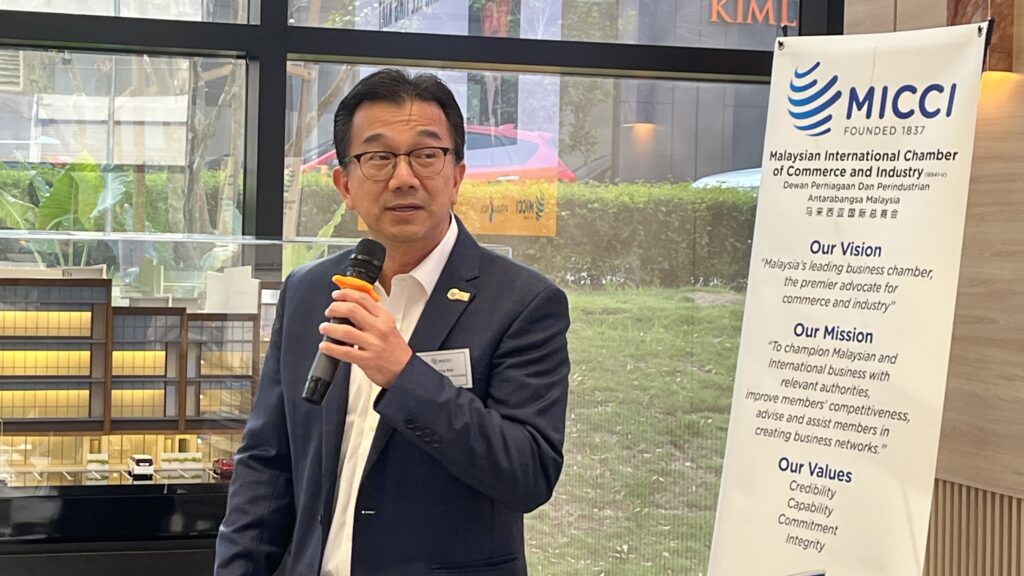

Youth Are the Determinants of the Palm Oil Industry's Future
Translated from Malay, summarized and contextualized by DistantNews.
At a glance
In-depth
Sources not specified
Context piece
- The Malaysian palm oil sector is a key economic driver, but its sustainability hinges on attracting young talent to modernize and innovate.
- A perception of the industry as physically demanding and traditional deters youth, risking a future labor shortage and continued reliance on foreign workers.
- Engaging youth in decision-making, upskilling them in modern agricultural technology, and promoting entrepreneurship are crucial for the sector's competitiveness and future.
Malaysia's vital palm oil sector, a significant contributor to export earnings and rural development, faces a critical challenge: securing its future by engaging its youth. While the industry is modernizing with technology and data-driven management, a persistent perception of it as a labor-intensive, old-fashioned job deters young Malaysians.
This disconnect risks a future shortage of local talent, potentially increasing the nation's reliance on foreign labor. To counter this, the industry must actively attract young people by showcasing its evolution into a modern, technologically advanced field offering broad career prospects. Crucially, it needs to move beyond basic training and field operations to offer youth meaningful roles in leadership, institutional management, and industry governance.
Developing the skills of young Malaysians is paramount. They need to master modern agricultural technologies such as drones, the Internet of Things (IoT), data analytics, and sustainable farming practices. Acquiring these skills will not only boost productivity but also empower them to become drivers of innovation within the industry.
Furthermore, the palm oil sector presents numerous untapped entrepreneurial opportunities, from plantation services and digital marketing to downstream product development and circular economy initiatives. These avenues align with the aspirations of younger generations seeking innovation, career autonomy, and new value creation. Integrating environmental sustainability, including biodiversity, carbon emissions, and waste management, into youth development programs will also be key, framing these as opportunities rather than burdens.
DistantNews Editorial
Originally published by Utusan Malaysia in Malay. Translated, summarized, and contextualized by our editorial team with added local perspective. Read our editorial standards.
More Stories


From Our Blog

What Gets Lost (and Found) When News Is Translated

The Critical Role of Diaspora Media in Global News

What Travellers Should Know About Countries with Restricted Press

A Digital Nomad's Guide to Following Local News

How the Same Story Looks Different in Different Countries
