


Zanzibar highlights risks of not breastfeeding, promotes exclusive rates
Translated from Swahili, summarized and contextualized by DistantNews.
At a glance
News
Sources not specified
New plan
- Exclusive breastfeeding for the first six months is crucial for infant health, preventing malnutrition and boosting immunity.
- Lack of breastfeeding can lead to frequent illnesses, developmental delays, and potentially death.
- Zanzibar's Ministry of Health is promoting breastfeeding through education and support for mothers, with exclusive breastfeeding rates increasing.
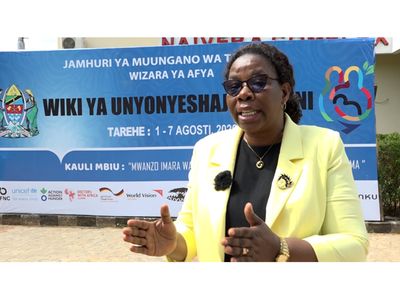
Exclusive breastfeeding for the first six months of an infant's life is vital for their health, offering essential nutrients and immunity against diseases. Without it, babies face significant risks, including weakened immune systems, malnutrition, developmental delays, and even death. This message is being strongly emphasized in Zanzibar during the global breastfeeding week.
Mwanaisha Juma Fakih, Director of Nursing and Midwifery for Zanzibar's Ministry of Health, highlighted the critical importance of breastfeeding from birth. She noted that babies deprived of these initial nutrients may appear weak, struggle with mobility like crawling, and generally lack vitality. "Breast milk is the first and best food for a baby, providing all essential nutrients, protection against diseases, and the foundation for healthy physical and mental growth," Fakih stated, underscoring that investing in breastfeeding is investing in a healthy and developed generation for Zanzibar.
Breast milk is the first and best food for a baby, providing all essential nutrients, protection against diseases, and the foundation for healthy physical and mental growth.
The theme for this year's breastfeeding week, 'A strong start to a child's life begins with breast milk,' reinforces the idea that a child's health, growth, and development commence from day one. Fakih urged parents to ensure consistent breastfeeding at every stage. After six months, complementary foods should be introduced while continuing breastfeeding until the child is two years or older.
Zanzibar's government is actively creating an environment that supports mothers in successful breastfeeding. Efforts include strengthening nutrition and breastfeeding education in health facilities, training healthcare workers to provide accurate advice, and collaborating with various stakeholders to encourage family, community, and employer support for breastfeeding mothers. According to the Tanzania Demographic and Health Survey (TDHS) 2022, exclusive breastfeeding rates for infants under six months have risen to 40.7%, up from 30% in 2015-2016. Furthermore, 98.4% of children continue to be breastfed alongside age-appropriate complementary foods.
You find a child with signs that show they are not healthy. When you look at them, they are weak, perhaps unable to walk, unable to crawl, due to the lack of these essential early nutrients.
DistantNews Editorial
Originally published by Mwananchi in Swahili. Translated, summarized, and contextualized by our editorial team with added local perspective. Read our editorial standards.
More Stories


From Our Blog

What Gets Lost (and Found) When News Is Translated

The Critical Role of Diaspora Media in Global News

What Travellers Should Know About Countries with Restricted Press

A Digital Nomad's Guide to Following Local News

How the Same Story Looks Different in Different Countries
