


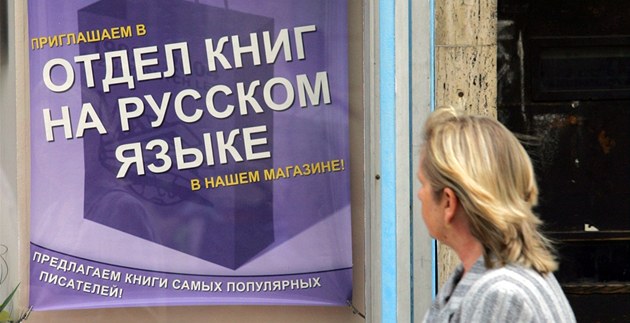
Zelenskyy Signs Law Removing Protected Status for Russian Language in Ukraine
Translated from Czech, summarized and contextualized by DistantNews.
At a glance
News
Sources not specified
New plan
- Ukraine's President Volodymyr Zelenskyy signed a new law that removes Russian's status as a protected language.
- The law's passage reflects a decline in the use of Russian since Russia's invasion, though many Ukrainians still speak it.
- The government stated that the language of an aggressor state should not benefit from protections meant for indigenous languages.
President Volodymyr Zelenskyy has signed a new law that revokes Russian's protected language status in Ukraine. The move, reported by Ukrainian media, signifies a further step in distancing the country from Russian influence following the full-scale invasion. While Russian is still spoken by a portion of the population, its use has declined significantly since the conflict began, according to AFP.
The Ukrainian government justified the decision by stating that the language of an aggressor nation cannot utilize protective measures designed for indigenous languages and national minority communities. This legislation aims to bolster the status of the Ukrainian language and other indigenous tongues within the country.
The law's enactment is a clear signal of Ukraine's ongoing efforts to assert its cultural and linguistic sovereignty amidst the ongoing conflict with Russia. It underscores a broader societal shift away from Russian cultural dominance.
The language of the aggressor state cannot use the protective tools created to support the languages of indigenous peoples and national minorities.
DistantNews Editorial
Originally published by iDNES in Czech. Translated, summarized, and contextualized by our editorial team with added local perspective. Read our editorial standards.
More Stories

From Our Blog

What Gets Lost (and Found) When News Is Translated

The Critical Role of Diaspora Media in Global News

What Travellers Should Know About Countries with Restricted Press

A Digital Nomad's Guide to Following Local News

How the Same Story Looks Different in Different Countries
