


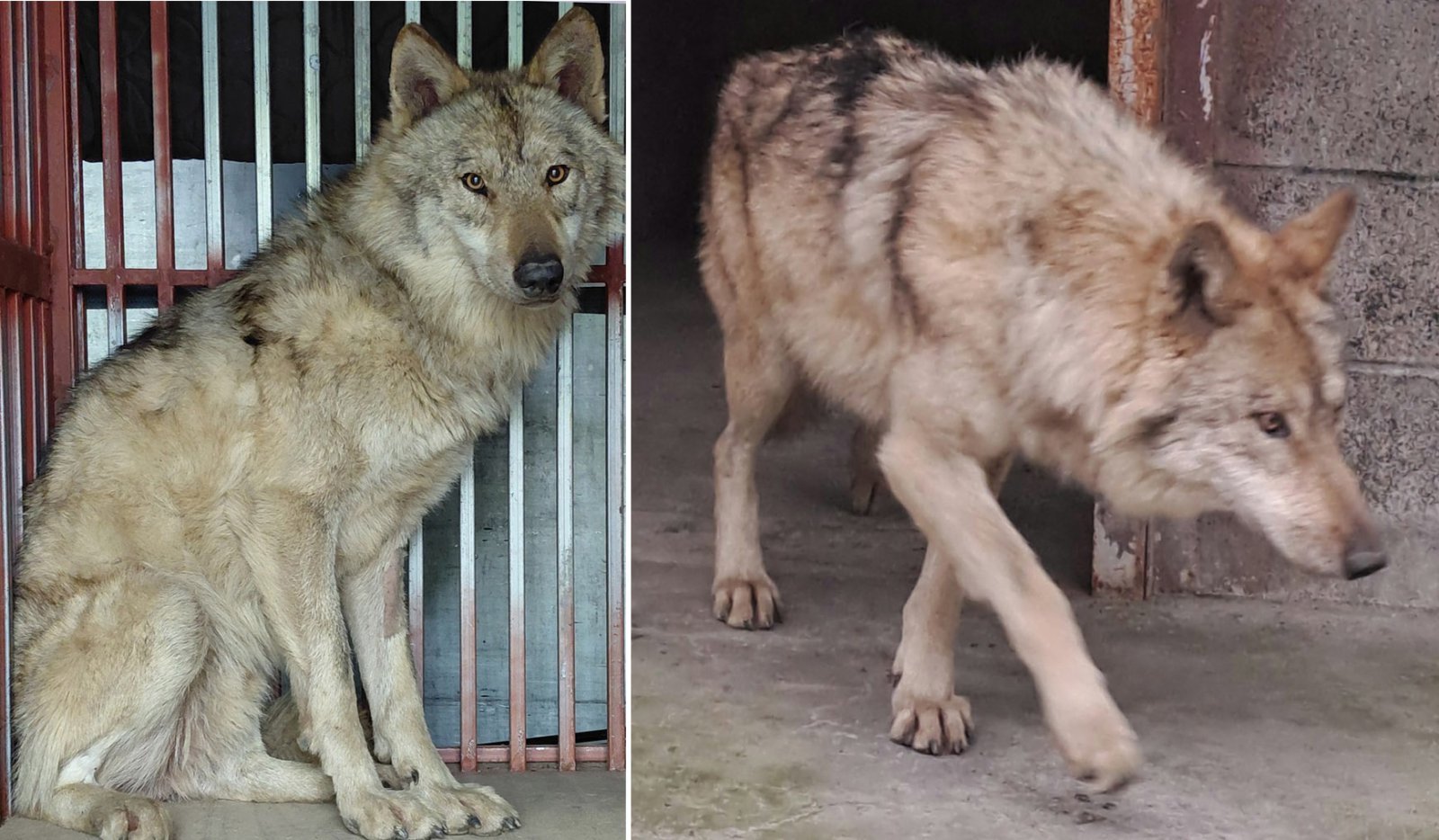
Zoos to Eliminate Feeding and Touching; 'Preventing Stress to Avoid Neukgu-like Incidents'
Translated from Korean, summarized and contextualized by DistantNews.
TLDR
- South Korea will ban interactive animal programs like feeding and touching in zoos, following an incident where a wolf escaped and required external medical treatment.
- The government plans to replace these stressful programs with animal welfare-focused educational content and increase the number of inspectors overseeing zoo licensing requirements.
- The implementation of the zoo licensing system, previously set for 2027, will be advanced to December 2026 in response to the wolf escape incident.
In response to a recent incident where a wolf named 'Neukgu' escaped from the Oworld Zoo in Daejeon and required external medical care, the South Korean Ministry of Environment has announced a series of measures to enhance animal welfare and safety in zoos nationwide. The government will phase out interactive programs such as animal feeding and touching, which are deemed to cause stress to animals, and will instead promote the development of educational programs centered on animal welfare.
The government plans to discover animal welfare-oriented educational programs to replace experiential programs such as touching and feeding, which can cause stress to animals.
These new welfare-focused programs are being developed with input from experts and the public. Proposed alternatives include content that allows visitors to experience animals' senses, such as sight and hearing, and educational activities using animal byproducts like fur or bones instead of direct contact. The creation of ecological habitat models specific to different species is also under consideration.
The incident has also prompted the government to accelerate the implementation of a mandatory licensing system for zoos, moving the deadline up by one year to December 2026. This system replaces the previous registration-based model, which was introduced following a 2023 animal abuse scandal at the Buyeong Zoo in Gimhae. The licensing system requires zoos to meet stricter standards for animal care and facility management. Furthermore, the number of inspectors responsible for evaluating zoo 현장 (on-site conditions) and reviewing licensing requirements will be increased from the current 25 to 40 by 2028.
The zoo licensing system, which was scheduled to be implemented in 2027, will be advanced by one year to the end of December 2026.
From a South Korean perspective, this is a significant step towards aligning with global standards of animal welfare in zoological institutions. The 'Neukgu' incident, while concerning, has served as a catalyst for much-needed reform. The previous leniency, highlighted by the delayed implementation of the licensing system, is now being rectified. The focus on educational content over potentially harmful interactive experiences reflects a growing societal awareness and demand for ethical treatment of animals. This shift is not just about preventing future escapes but about fundamentally rethinking the purpose and operation of zoos, moving them from mere entertainment venues to centers for conservation education and genuine animal welfare.
The number of inspectors will be expanded from the current 25 to 40 by 2028.
DistantNews Editorial
Originally published by Dong-A Ilbo in Korean. Translated, summarized, and contextualized by our editorial team with added local perspective. Read our editorial standards.
More Stories


From Our Blog

What Gets Lost (and Found) When News Is Translated

The Critical Role of Diaspora Media in Global News

What Travellers Should Know About Countries with Restricted Press

A Digital Nomad's Guide to Following Local News

How the Same Story Looks Different in Different Countries
