


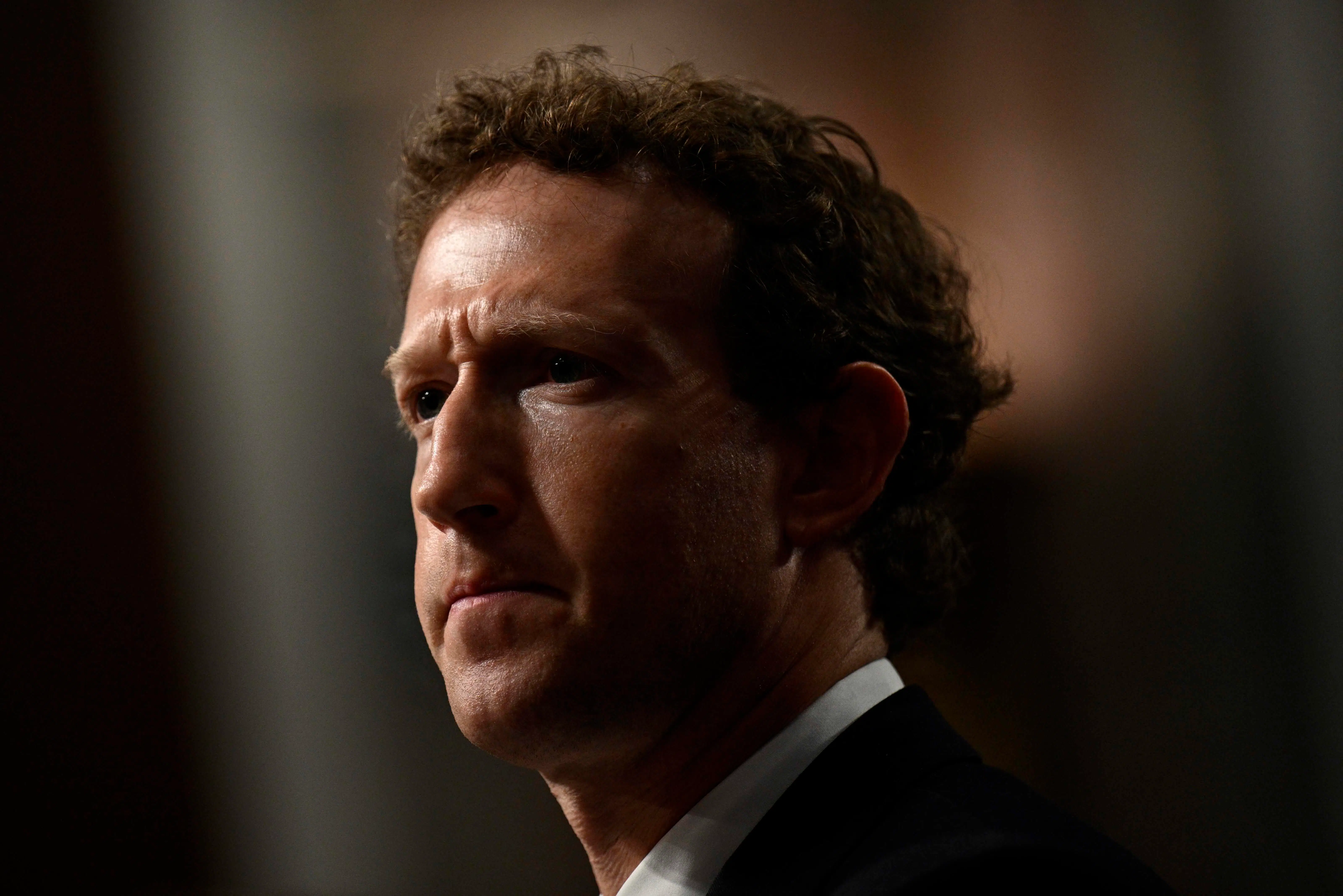
Zuckerberg's Secret Plan: Replace 60% of Staff with AI, Then Backtracked
Translated from Danish and summarized by DistantNews. Read the original for the full story.
At a glance
News
Unnamed sources
New plan
- Meta CEO Mark Zuckerberg secretly planned to replace up to 60% of the company's workforce with artificial intelligence.
- The plan was reportedly abandoned hours before its scheduled announcement following internal employee opposition.
- Zuckerberg instead announced a smaller round of layoffs, opting against the more drastic AI-driven workforce reduction.
Meta CEO Mark Zuckerberg harbored a secret ambition to significantly reshape the company's workforce by replacing a substantial portion of its employees with artificial intelligence. Internal documents indicate a two-phase plan that aimed to substitute as much as 60% of the global staff with AI technologies.
This ambitious proposal, however, encountered strong internal resistance. Sources suggest that employee opposition reached a critical point in the hours leading up to the planned unveiling of the cost-saving measures. Faced with a potential internal revolt, Zuckerberg reportedly decided to cancel the broader AI-driven layoffs.
Instead of proceeding with the drastic workforce reduction, Zuckerberg opted for a less severe course of action. He announced a smaller round of layoffs, signaling a retreat from his initial, more radical plan. This decision suggests a significant shift in strategy, influenced by the internal dissent and the potential repercussions.
The report highlights a moment where Zuckerberg, known for his bold technological visions, experienced "cold feet" regarding a plan with profound implications for Meta's human capital. While the company continues to invest heavily in AI, this specific initiative to replace a majority of its workforce was ultimately shelved, at least for the time being.
About this summary
Originally published by Berlingske in Danish. Translated, summarized, and contextualized automatically by DistantNews, with a note on how the source frames the story. Not individually reviewed before publishing. How this works.
More Stories



From Our Blog

What Gets Lost (and Found) When News Is Translated

The Critical Role of Diaspora Media in Global News

What Travellers Should Know About Countries with Restricted Press

A Digital Nomad's Guide to Following Local News

How the Same Story Looks Different in Different Countries
