


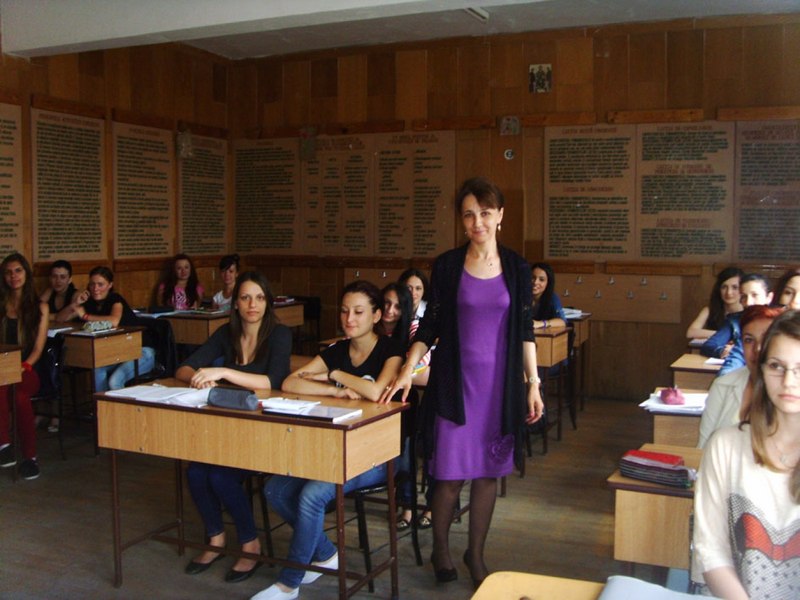
100 Romanian Teachers to Train in AI Use for Classrooms, Featuring Harvard Expert
Translated from Romanian, summarized and contextualized by DistantNews.
At a glance
News
Sources not specified
Ongoing story
- 100 Romanian high school teachers will receive training on using artificial intelligence in the classroom between July and October 2026.
- The program includes trainers from Harvard Graduate School of Education and prioritizes teachers from rural areas and small towns.
- Participants are expected to share their AI knowledge within their own schools, fostering a network of educators.
A new initiative in Romania aims to equip 100 high school teachers with the skills to integrate artificial intelligence into their classrooms. The training program, scheduled from July to October 2026, focuses on the responsible use of AI tools for teaching and learning.
Notable figures like Bill Wisser, Executive Director of Harvard's Teaching and Learning Lab, are among the confirmed trainers. The program is organized by the AGORA Center for Democracy in partnership with "Vreau Să Studiez în America" (I Want to Study in America). It emphasizes practical applications of AI, including lesson planning, student assessment, and daily classroom activities.
The program prioritizes teachers from rural areas and smaller towns, aiming to bridge the digital divide in education. Participants will attend online workshops and a one-day conference in Bucharest. A key component requires each teacher to conduct follow-up training sessions in their respective schools, thereby extending the program's reach and building a network of AI-proficient educators.
This initiative is funded by a FLEX Alumni Community grant from the U.S. Department of State, administered through American Councils for International Education. The project was inspired by the experiences of Antonia Călin, a FLEX program alumna, who manages partnerships and community engagement for the AGORA Center.
DistantNews Editorial
Originally published by Adevărul in Romanian. Translated, summarized, and contextualized by our editorial team with added local perspective. Read our editorial standards.
More Stories

From Our Blog

What Gets Lost (and Found) When News Is Translated

The Critical Role of Diaspora Media in Global News

What Travellers Should Know About Countries with Restricted Press

A Digital Nomad's Guide to Following Local News

How the Same Story Looks Different in Different Countries
