

101-year-old dies from heatstroke in Gangneung, first heat-related death in province this year
Translated from Korean, summarized and contextualized by DistantNews.
At a glance
News
Sources not specified
Context piece
- A 101-year-old woman died from heatstroke in Gangneung, marking the first heat-related fatality in the region this year.
- Authorities are operating heatwave shelters and providing welfare checks for vulnerable populations.
- Heatwave warnings remain in effect for Gangneung, Donghae, and Samcheok, with high temperatures expected to continue.
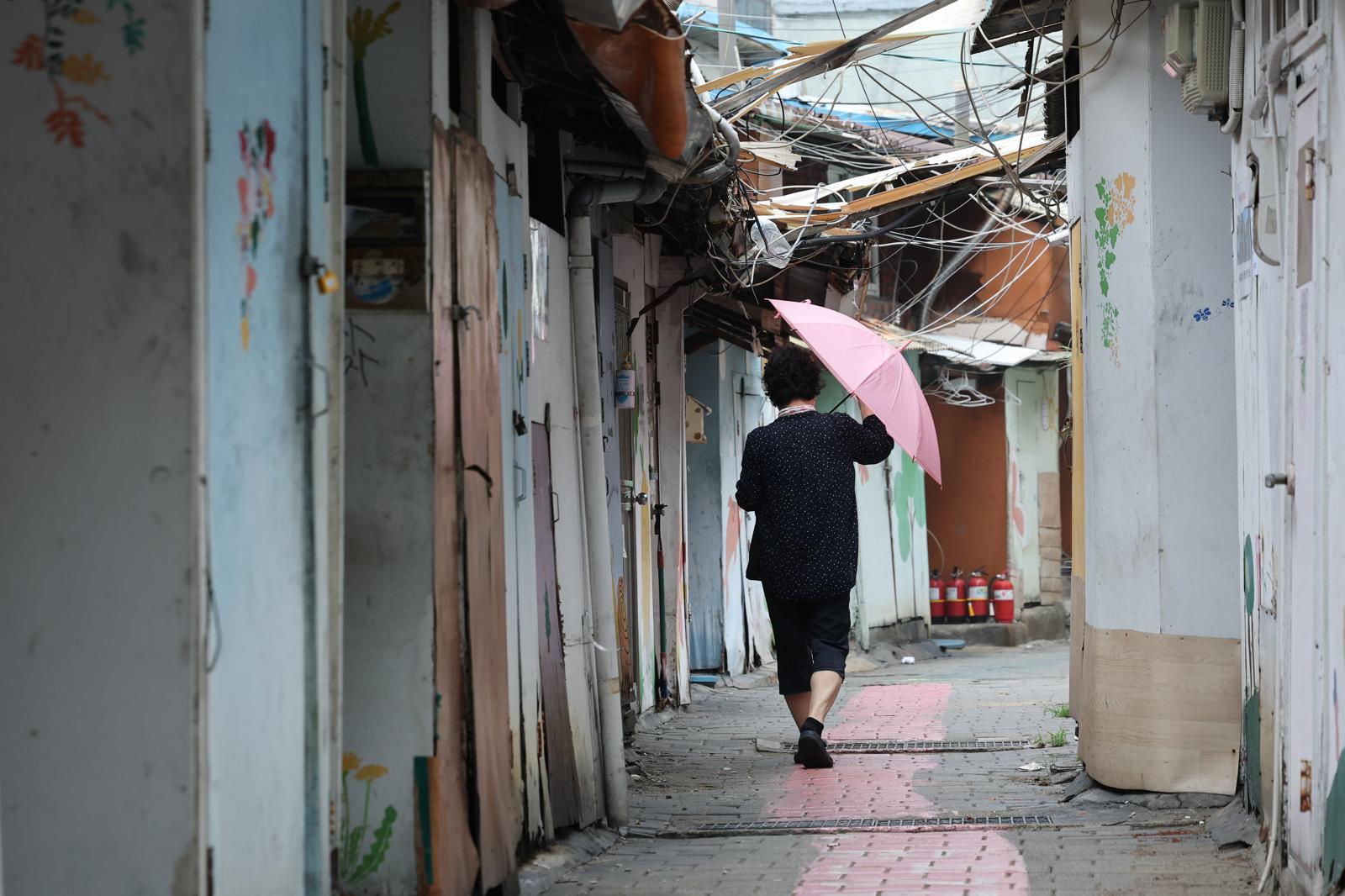
Gangwon Province has recorded its first heat-related death of the year after a 101-year-old woman succumbed to heatstroke in Gangneung. The elderly woman was found collapsed in a field and later died after being transported to a hospital.
The doctor told me all the risks from the beginning, but he gave me such great confidence that I went into surgery without fear. When I came out of surgery and opened my eyes, I felt like I was reborn into the world. I am so happy.
This incident brings the total number of heat-related illnesses in the province to 43 since May 15. In response, Gangwon Province has activated its early heatwave response system. The province is operating 2,119 cooling centers and 1,274 heat reduction facilities. Welfare checks are being conducted via visits and phone calls for vulnerable groups, including the elderly living alone.
When we heard she was having brain surgery, of course, we were very scared. We signed the consent form, accepting everything, including the risk of death. We trusted our doctors. Thank God, we got through that ordeal, and we are very pleased now.
Preventative measures are also underway, including inspections of outdoor workplaces and public announcements through village broadcasts and emergency text messages. Heatwave warnings are currently in effect for the coastal cities of Gangneung, Donghae, and Samcheok, with a heatwave advisory issued for Sokcho. Temperatures are expected to remain high, with some areas experiencing tropical nights where the minimum temperature does not drop below 25 degrees Celsius.
Our patient had a very large tumor, about 8 centimeters, at the head. Operating on lesions of this size carries serious bleeding risks. Therefore, before the surgery, we mapped the brain vessels using the brain angiography method in interventional radiology. Using our advanced angiography devices, we reached only the vessels feeding the tumor without harming healthy tissue and blocked these vessels with special closure devices. Thus, we prepared the tumor for surgery, so to speak.
DistantNews Editorial
Originally published by Dong-A Ilbo in Korean. Translated, summarized, and contextualized by our editorial team with added local perspective. Read our editorial standards.
More Stories



From Our Blog

What Gets Lost (and Found) When News Is Translated

The Critical Role of Diaspora Media in Global News

What Travellers Should Know About Countries with Restricted Press

A Digital Nomad's Guide to Following Local News

How the Same Story Looks Different in Different Countries
