


🇳🇬
Nigeria
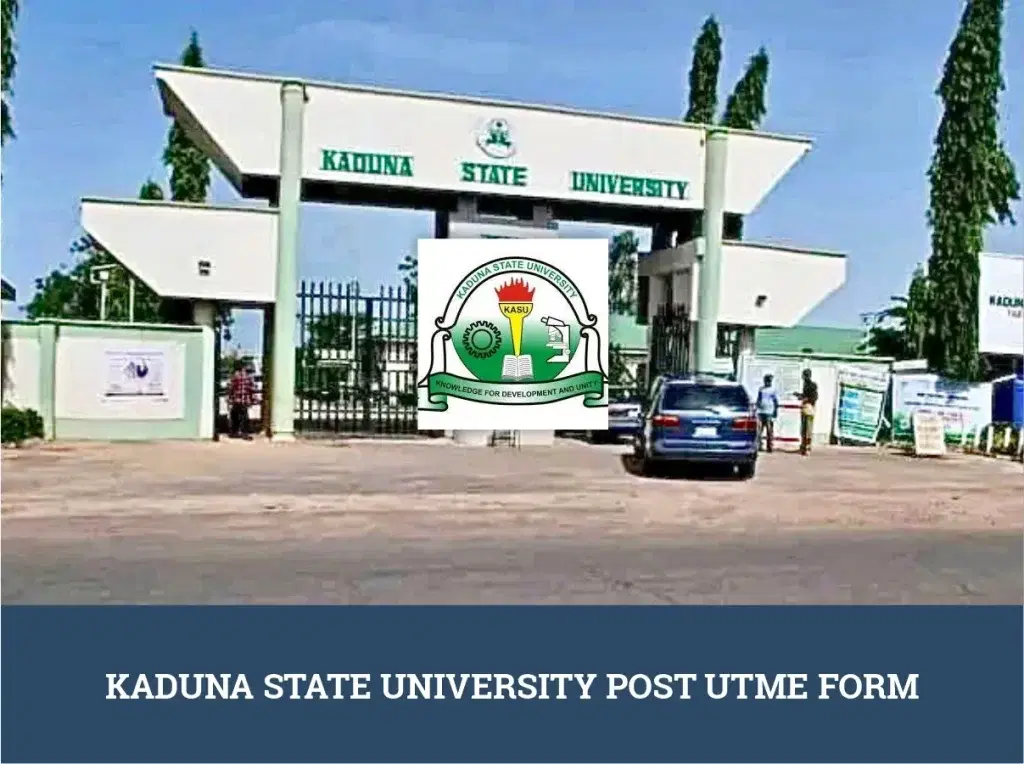
200 Kaduna varsity lecturers resign, ASUU showdown looms
Summarized by DistantNews. Read the original for the full story.
At a glance
News
Named sources
Ongoing story
- Over 200 lecturers, including professors, have resigned from Kaduna State University (KASU) due to poor service conditions and the non-implementation of a federal government-ASUU agreement.
- The Academic Staff Union of Universities (ASUU) chapter has issued a two-week ultimatum to the state government and university authorities to implement the agreement, threatening an indefinite strike.
- The union warns that the exodus of experienced staff could negatively impact teaching and research, and that KASU academics are now among the least-paid in Nigeria.
Kaduna State University (KASU) faces a significant crisis as over 200 lecturers, including professors, have resigned. The Academic Staff Union of Universities (ASUU) chapter attributes this mass departure to poor conditions of service and the failure to implement the 2025 Federal Government-ASUU Agreement. The union has issued a stern two-week ultimatum to the Kaduna State Government and university administration, demanding immediate action to domesticate and implement the agreement. Failure to comply could trigger a total and indefinite strike at the university.
most of the lecturers who left the institution secured appointments in newer universities within and outside Kaduna State.
Dr. Abubakar Abdullahi, Chairman of ASUU-KASU, revealed that most departing lecturers have secured positions in newer universities within and outside Kaduna State. He cited poor remuneration and declining welfare conditions as the primary drivers for this exodus. The 2025 agreement, which took effect in January 2026 and promised improved conditions for academic staff nationwide, has yet to be implemented at KASU, despite several letters to the university management and notification to the Visitor, Gov. Uba Sani.
the 2025 Federal Government-ASUU Agreement took effect in January 2026. He said the agreement provided improved conditions of service for academic staff in Nigerian universities. The chairman, however, noted that implementation had yet to commence at Kaduna State University.
Abdullahi expressed concern that eight months after the agreement's signing, KASU academics remain among the nation's lowest-paid university workers, a stark contrast to the institution's former reputation for prioritizing staff welfare. The union warns that continued delays will lead to accumulating salary arrears from January 2026. The departure of highly skilled academics poses a serious threat to teaching quality, research output, and overall academic development, with replacements likely requiring years and substantial resources.
the delay had made KASU academic staff among the least-paid university workers nationwide.
The ASUU-KASU congress met on August 12 and resolved to declare an industrial dispute, aligning with a national resolution from the ASUU National Executive Council meeting held earlier in August. The ultimatum is a procedural step to allow authorities time to implement the agreement, a move that underscores the urgency of the situation and the potential for further disruption if demands are not met.
the exodus of experienced lecturers could negatively affect teaching, research and academic development.
About this summary
Originally published by Vanguard. Summarized and contextualized automatically by DistantNews, with a note on how the source frames the story. Not individually reviewed before publishing. How this works.
More Stories


From Our Blog

How the Same Story Looks Different in Different Countries

What Gets Lost (and Found) When News Is Translated

The Critical Role of Diaspora Media in Global News

What Travellers Should Know About Countries with Restricted Press

A Digital Nomad's Guide to Following Local News
