

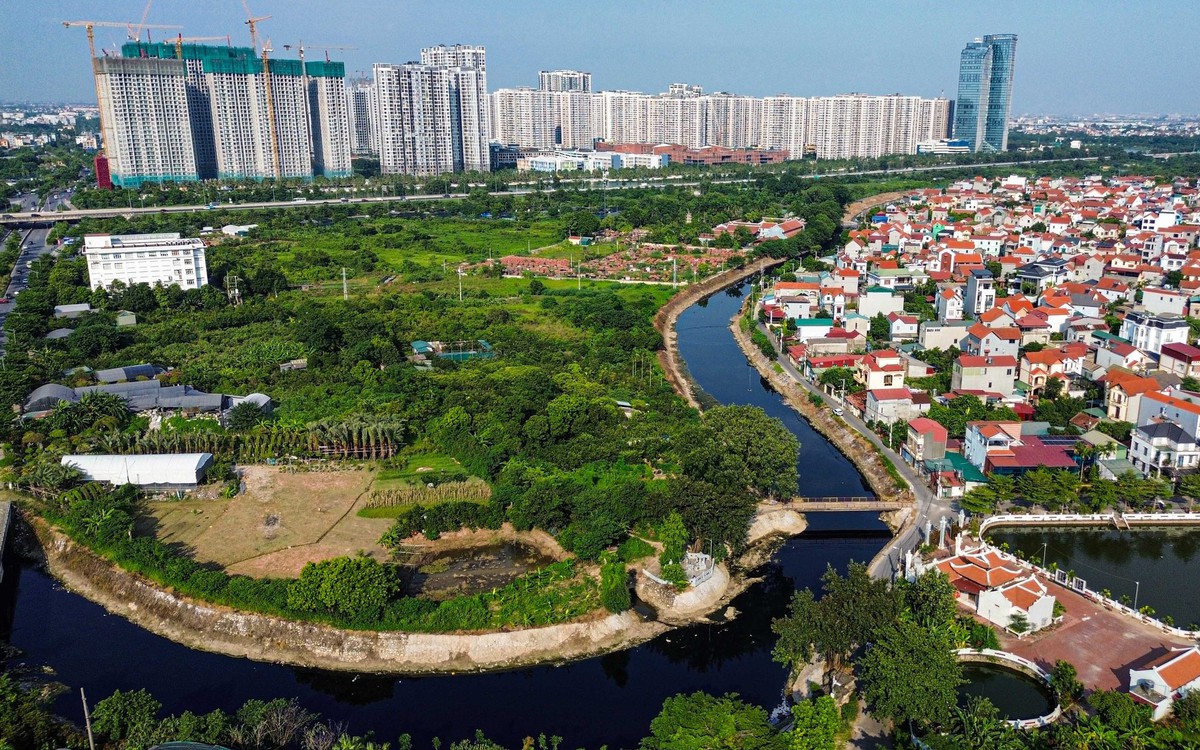

2026 could see history's worst wildfires amid climate crisis and El Nino fears
Translated from Vietnamese and summarized by DistantNews. Read the original for the full story.
At a glance
News
From a news agency
Context piece
- Global land area burned by wildfires in early 2026 has exceeded 150 million hectares, more than double the size of Texas, according to World Weather Attribution.
- Fire seasons are starting earlier and burning more intensely, with Africa being the hardest-hit region, experiencing 85 million hectares burned so far.
- Scientists attribute the extreme fire conditions to a combination of climate change, the potential for a strong El Nino, and the transition between heavy rainfall and prolonged droughts, which create vast amounts of fuel.
The first few months of 2026 have witnessed an alarming surge in global wildfires, with over 150 million hectares of land incinerated worldwide. This figure, more than double the size of Texas, represents a 50% increase compared to the multi-year average and surpasses the previous record set in 2012 by over 20%, according to the World Weather Attribution research network.
The wildfire season this year started 'unusually fast and fiercely'.
Africa, particularly West Africa and the Sahel region, is bearing the brunt of this crisis, with 85 million hectares already consumed by flames, far exceeding the previous record of 69 million hectares. Scientists point to a volatile weather pattern of continuous shifts between heavy rainfall and extended droughts. Lush vegetation growth following wet periods, combined with subsequent heatwaves and dry conditions, creates an abundant fuel source for the fires.
Asia is also experiencing widespread blazes, with India, Southeast Asia, and Northeast China reporting significant burned areas, nearly 40% higher than the previous record year. The United States and Australia are also facing an unusually intense fire season early in the year.
Wildfire smoke is particularly dangerous to human health.
Scientists are particularly concerned about the potential for a strong El Nino event in the latter half of 2026, which could exacerbate these conditions. El Nino, characterized by unusual warming of Pacific equatorial waters, can alter global weather patterns. Combined with the ongoing global warming caused by greenhouse gas emissions, a strong El Nino could significantly increase the risk of extreme wildfires. The smoke from these fires poses severe health risks, with fine particulate matter (PM2.5) potentially being ten times more toxic than traffic pollution, contributing to an estimated 1.5 million air pollution-related deaths annually.
Climate change will become even more serious if the world does not reduce its use of coal, oil, and gas.
About this summary
Originally published by Tuổi Trẻ in Vietnamese. Translated, summarized, and contextualized automatically by DistantNews, with a note on how the source frames the story. Not individually reviewed before publishing. How this works.
More Stories


From Our Blog

News in Translation: What Gets Lost, and How We Keep the Framing

Diaspora Media: How Communities Abroad Follow Home

Traveling Where the Press Is Not Free: How to Read the News There

The Digital Nomad's Guide to Local News

The Same Story, Different Countries: How Coverage Changes at the Border
