


Water Hyacinth Chokes Vietnam's Mekong Delta, Disrupting Life and Seeking Solutions
Translated from Vietnamese and summarized by DistantNews. Read the original for the full story.
At a glance
News
Sources not specified
Context piece
- Water hyacinth is causing significant disruptions in Vietnam's Mekong Delta, blocking waterways and hindering transportation and trade.
- The invasive plant carries debris, including plastic waste, polluting water sources and posing risks to boaters.
- While chemical methods are discouraged, authorities are exploring sustainable solutions like converting water hyacinth into paper and organic fertilizer to manage its spread and create economic value.
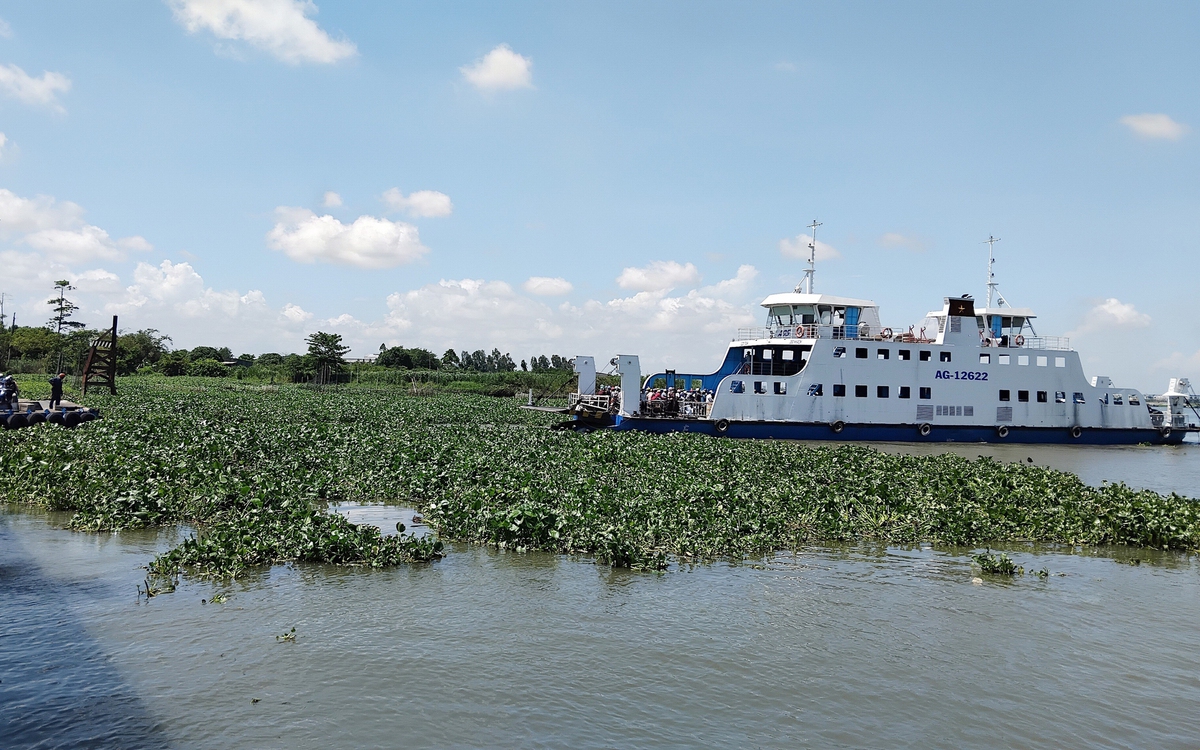
Water hyacinth is choking Vietnam's Mekong Delta, creating significant challenges for daily life and the local economy. During the rainy season, from May to June, the invasive plant floats in large mats down the Tiền and Hậu rivers, spreading into countless smaller canals and waterways.
These dense mats obstruct navigation, forcing ferries to exert maximum power to push through. Local authorities must organize regular clean-ups to keep ferry terminals clear. In smaller canals, the plant can completely paralyze daily transport. Beyond inconvenience, the water hyacinth mats trap trash, including plastic waste, leading to water pollution and environmental concerns.
For those working on the rivers, the situation is perilous. They liken it to traffic jams in large cities, but on the water. Navigating through thick mats of water hyacinth can be dangerous, risking capsizing boats, causing property damage, and significantly increasing travel time and costs for transporting goods.
Farmers in the Delta face additional hardships. With waterways clogged, barges cannot reach fields to collect rice, forcing farmers to pay extra for transport or carry their harvests themselves. The dense plant growth also blocks irrigation canals, making it difficult to pump water for crops and creating habitats for rodents that damage fields.
While some resort to harmful chemical spraying, authorities are promoting safer methods. These include using public funds or socialized efforts to dredge and collect the water hyacinth. However, the plant's rapid reproduction often outpaces removal efforts. The article suggests that converting water hyacinth into products like paper, organic fertilizer, and handicrafts could offer a sustainable solution, turning an environmental problem into an economic opportunity and reducing reliance on plastic.
About this summary
Originally published by Tuổi Trẻ in Vietnamese. Translated, summarized, and contextualized automatically by DistantNews, with a note on how the source frames the story. Not individually reviewed before publishing. How this works.
More Stories

From Our Blog

What Gets Lost (and Found) When News Is Translated

The Critical Role of Diaspora Media in Global News

What Travellers Should Know About Countries with Restricted Press

A Digital Nomad's Guide to Following Local News

How the Same Story Looks Different in Different Countries
