

2027 campaigns: All eyes on Tinubu, Atiku, Obi amid anxiety over hate speech, personal attacks
Summarized and contextualized by DistantNews.
At a glance
News
Named sources
New plan
- Nigerian presidential candidates are gearing up for the 2027 general elections amid concerns about potential hate speech and personal attacks.
- The campaigns officially begin in August 2026, with a Peace Accord signed by some candidates to promote issue-based engagement.
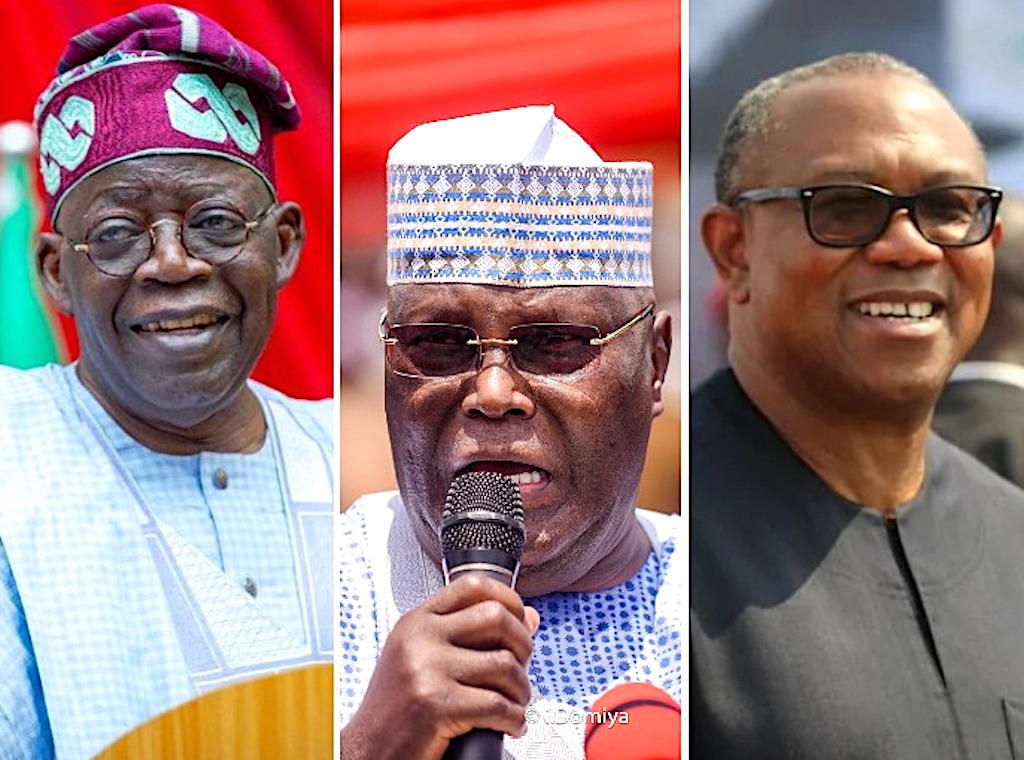
- Key contenders Bola Tinubu, Atiku Abubakar, and Peter Obi face scrutiny over past legal challenges and allegations, raising fears of a repeat of the divisive 2023 election.
As Nigeria's 2027 general election campaigns officially commence, a shadow of anxiety looms over the political landscape, fueled by fears of escalating brinkmanship, hate speech, and personal attacks. The presidential and National Assembly campaigns are set to begin on August 19, 2026, and will run until January 15, 2027, preceding the elections scheduled for January 16, 2027. Similarly, governorship and state House of Assembly campaigns will start on September 9, 2026, concluding on February 5, 2027, ahead of elections on February 6, 2027.
In an effort to foster a more civil contest, several presidential candidates recently signed the National Peace Accord. Facilitated by the National Peace Committee and supported by the Kukah Centre, the accord commits signatories to peaceful conduct and issue-based campaigns. Among those who signed are Peter Obi of the National Democratic Congress (NDC), Prince Adewole Adebayo of the Social Democratic Party (SDP), and Omoyele Sowore of the African Action Congress (AAC). However, President Bola Tinubu, the All Progressive Congress (APC) candidate, was represented by the Secretary to the Federal Government, Mr. George Akume, while Atiku Abubakar of the African Democratic Congress (ADC) notably abstained without explanation.
The election is widely expected to be a contest primarily between Tinubu, Abubakar, and Obi. Their campaigns are already marked by pre-existing tensions and legal challenges. Abubakar has recently taken Tinubu to court over his qualifications, alleging discrepancies regarding his National Youth Service Corps (NYSC) participation. Obi, meanwhile, is pursuing a case in the U.S. seeking FBI details on a drug case in which Tinubu allegedly forfeited funds to the U.S. government. These legal battles echo the personal attacks that characterized the 2023 presidential election, raising concerns that the upcoming cycle could devolve into a similarly bitter and divisive struggle.
The apprehension is partly rooted in Nigeria's electoral history, particularly the contentious presidential elections of 2011, 2015, and 2023. Past cycles have seen campaigns marred by misinformation, ethnic profiling, and political violence, often overshadowing substantive policy debates. As the campaigns officially begin, the focus remains on whether candidates and their supporters will adhere to the Peace Accord or if the election will once again be dominated by divisive rhetoric and personal vendettas, rather than addressing the critical issues facing Nigerians.
DistantNews Editorial
Originally published by Vanguard. Summarized and contextualized by our editorial team with added local perspective. Read our editorial standards.
More Stories


From Our Blog

How the Same Story Looks Different in Different Countries

What Gets Lost (and Found) When News Is Translated

The Critical Role of Diaspora Media in Global News

What Travellers Should Know About Countries with Restricted Press

A Digital Nomad's Guide to Following Local News
