


21st Century Sovereignty Measured in Chips and Data
Translated from Polish, summarized and contextualized by DistantNews.
At a glance
Analysis
Sources not specified
Context piece
- Sovereignty in the 21st century is increasingly defined by technology, not traditional military or industrial power.
- Access to data, semiconductors, and artificial intelligence are now key determinants of national power.
- This shift requires a reevaluation of how nations secure their interests in the digital age.
The very definition of national sovereignty has transformed, shifting from a measure of armies, oil reserves, and factories to one increasingly dictated by technological prowess. In the 21st century, a nation's power and autonomy are measured by its control over data, its access to advanced semiconductors, and its capabilities in artificial intelligence.
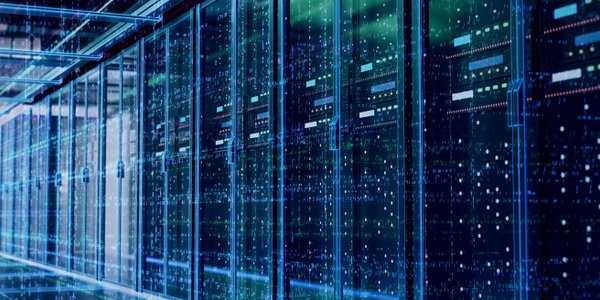
This technological paradigm shift means that traditional metrics of power are becoming secondary. The infrastructure of the digital age, data centers, microchip manufacturing, and AI development, now forms the bedrock of a nation's influence and security. Countries that lead in these areas are poised to exert greater control over global affairs.
This evolving landscape necessitates a fundamental reevaluation of national security strategies. Nations must now focus on securing their digital infrastructure, fostering innovation in AI and semiconductor technology, and ensuring robust data governance. The future of sovereignty lies not in traditional military might, but in the mastery of the digital domain.
DistantNews Editorial
Originally published by Rzeczpospolita in Polish. Translated, summarized, and contextualized by our editorial team with added local perspective. Read our editorial standards.
More Stories


From Our Blog

What Gets Lost (and Found) When News Is Translated

The Critical Role of Diaspora Media in Global News

What Travellers Should Know About Countries with Restricted Press

A Digital Nomad's Guide to Following Local News

How the Same Story Looks Different in Different Countries
