

25 Years of Museumsquartier: The 'Reading Tower' Controversy Still Stings
Translated from German, summarized and contextualized by DistantNews.
At a glance
In-depth
Named sources
Context piece
- Vienna's Museumsquartier (MQ) is celebrating its 25th anniversary with an exhibition detailing its history and development.
- A key exhibition piece revisits the controversy over the planned "Leseturm" (Reading Tower) in the 1990s, which was ultimately canceled due to public opposition fueled by media campaigns.
- The MQ's creation is described as a "chaotic process" that reflects the complexities of Austrian cultural politics, yet it has become a globally recognized cultural hub attracting millions of visitors.
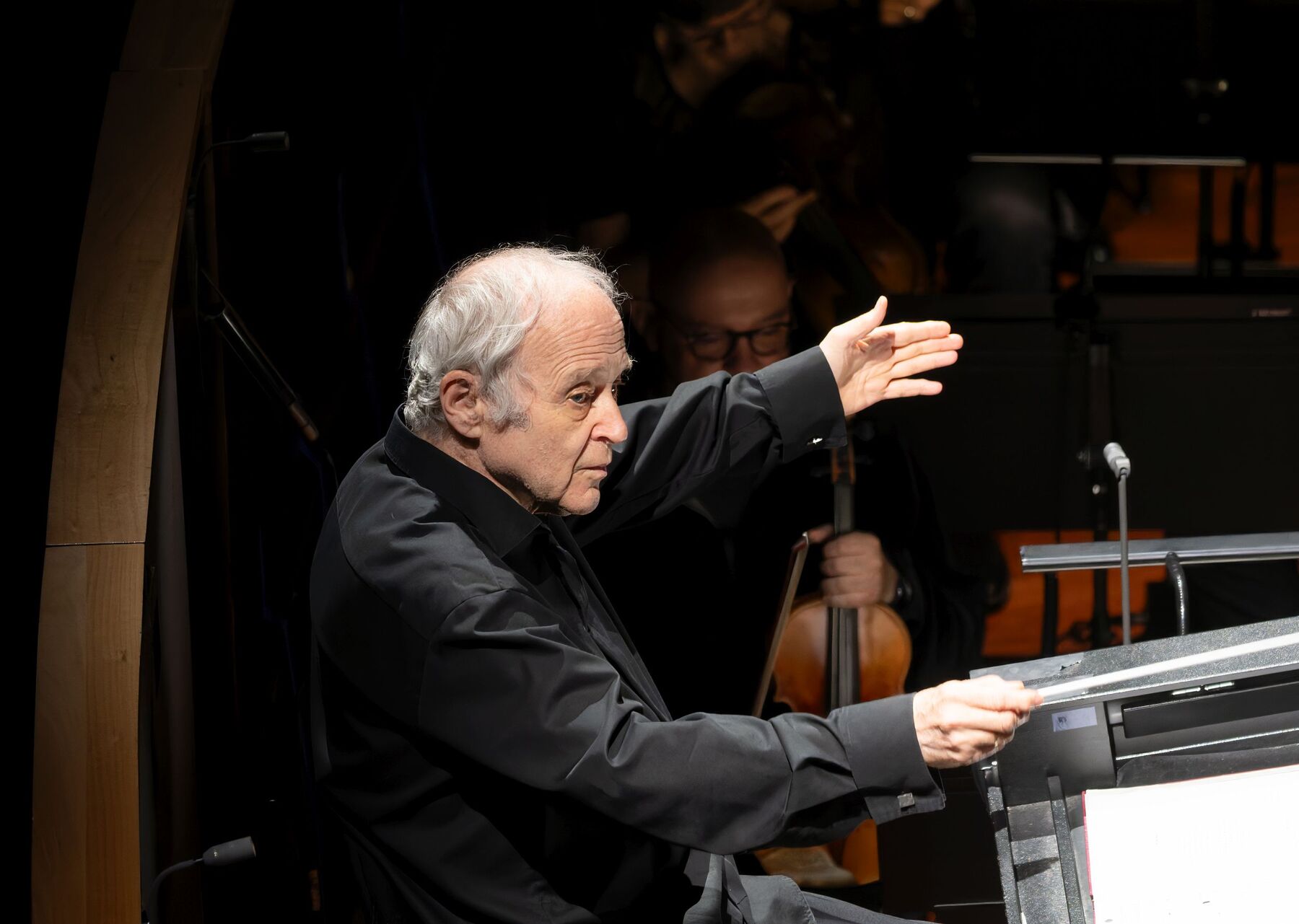
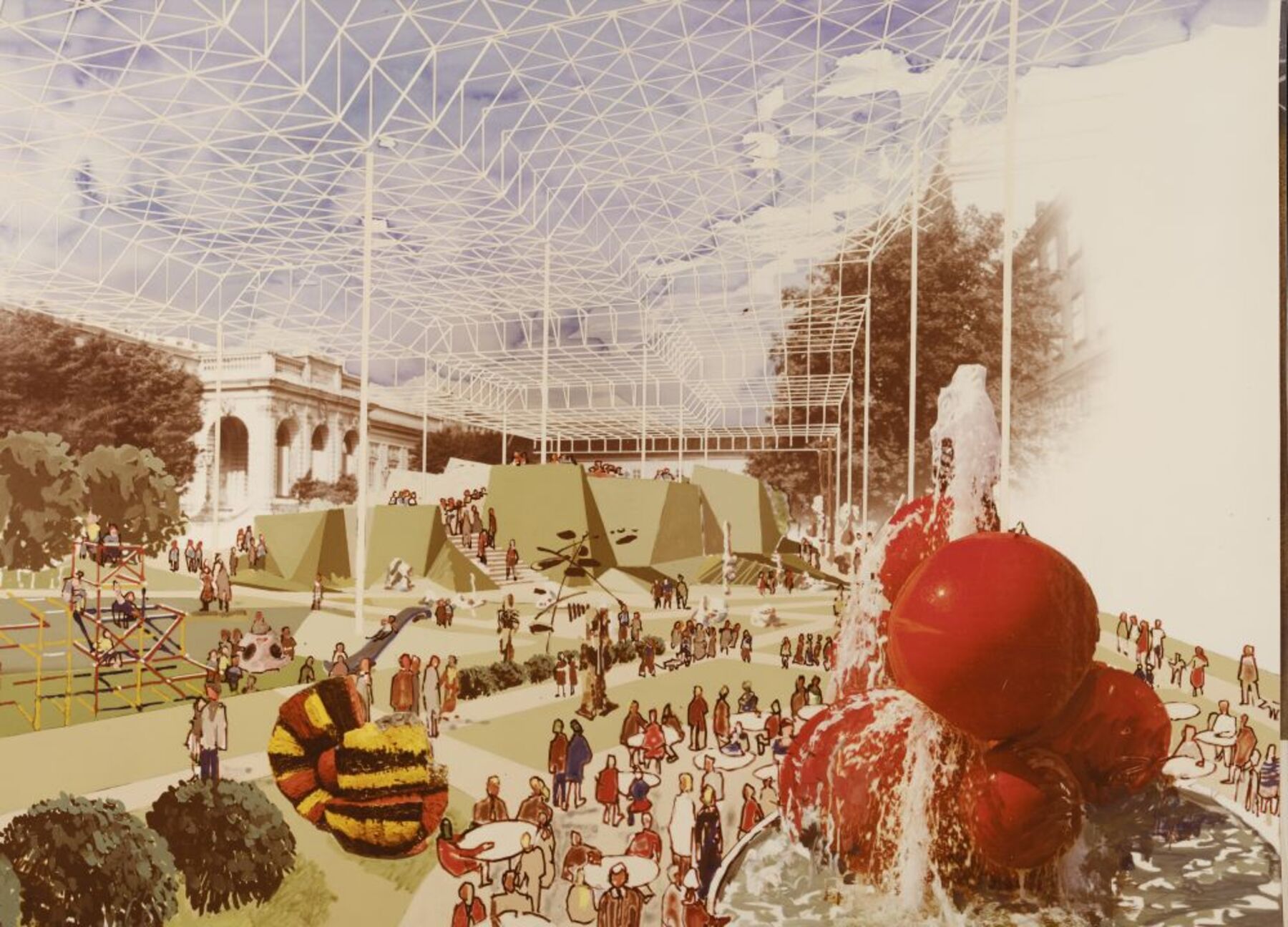
Vienna's Museumsquartier (MQ) is marking its 25th anniversary with an exhibition titled "Vision and Resistance," curated by Andreas Nierhaus. The exhibition delves into the complex history of the cultural complex, highlighting a pivotal moment from the 1990s: the controversy surrounding the planned "Leseturm" (Reading Tower).
An early design for the MQ shows a massive penthouse with a tennis court atop a department store on Mariahilfer Straße. Decades later, this structure was demolished. In the mid-1990s, the owner family of the Leiner furniture chain, in conjunction with the "Kronen Zeitung" newspaper, launched a campaign against the "Leseturm." They argued it would spoil their view. This public outcry led to the cancellation of the tower, a project that was intended to be part of the new Museumsquartier.
a chaotic process that offers a deep look into Austrian cultural policy
The "stinger of the fallen Leseturm" remains a potent symbol within the MQ's history. The exhibition features a cardboard model of the tower, adorned with headlines from the era. The narrative presented is one of powerful individuals using public anger for private gain, hindering a cultural project for all. The debate continues today about whether the MQ is better with or without this literary element, reflecting ongoing tensions between radical and conservative approaches to culture.
Curator Andreas Nierhaus describes the MQ's entire creation story as less a result of political intrigue and more a "chaotic process" that offers a deep look into Austrian cultural policy. This inherent chaos, however, is seen as the very strength of the MQ, now celebrated worldwide as a flagship project. Its diverse organism includes federal museums, artist residences, a children's museum, and relaxation areas, drawing some five million visitors annually. Architects Ortner & Ortner conceived the MQ from the outset as a "work in progress," a principle that continues to shape the evolving cultural space.
work in progress
DistantNews Editorial
Originally published by Die Presse in German. Translated, summarized, and contextualized by our editorial team with added local perspective. Read our editorial standards.
More Stories


From Our Blog

What Gets Lost (and Found) When News Is Translated

The Critical Role of Diaspora Media in Global News

What Travellers Should Know About Countries with Restricted Press

A Digital Nomad's Guide to Following Local News

How the Same Story Looks Different in Different Countries
