


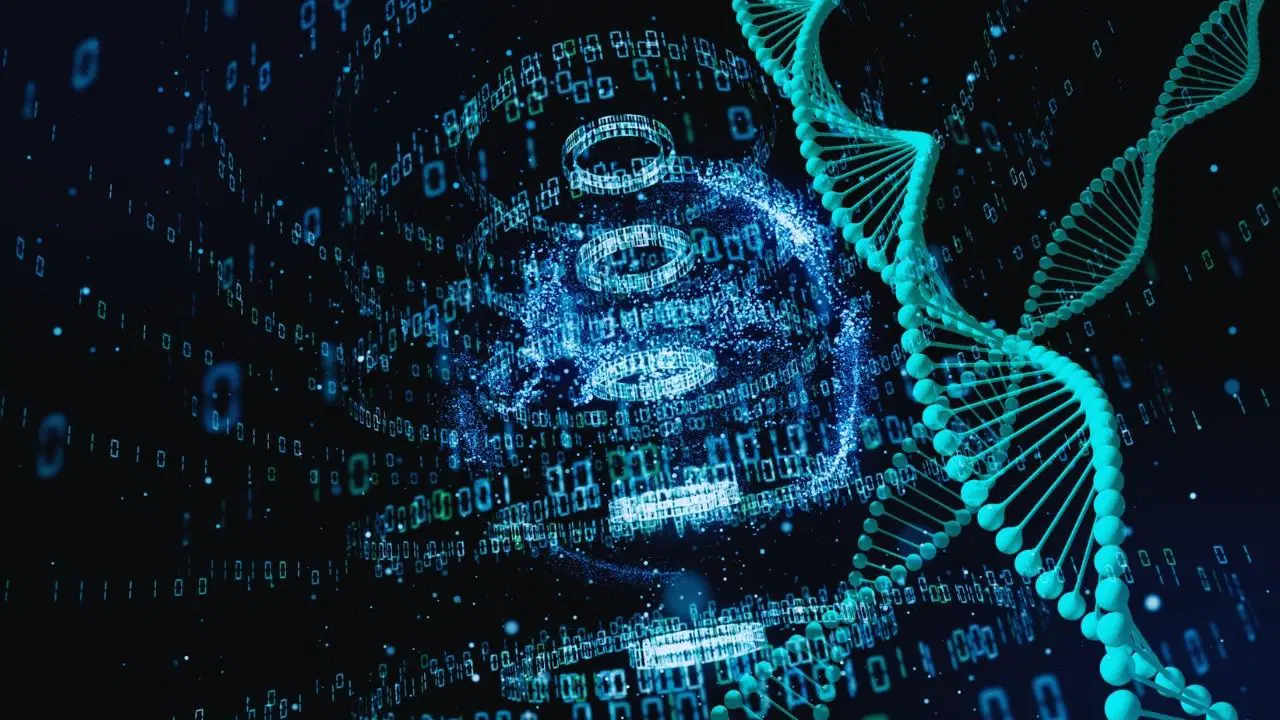
30-Year Security Flaw in US May Have Exposed DNA Case Files
Translated from Turkish, summarized and contextualized by DistantNews.
At a glance
News
Named sources
Under investigation
- Researchers discovered a security vulnerability in a widely used DNA analysis file format in the US that could allow digital evidence to be altered without detection.
- This flaw has potentially affected digital evidence in criminal cases dating back over thirty years, as the vulnerable file format has been in use since 1995.
- While no confirmed cases of evidence tampering have been found in real criminal cases, the discovery highlights a significant risk to the integrity of digital forensic data.
A significant security vulnerability has been uncovered in the digital file format used by most forensic laboratories in the United States for DNA analysis. Researchers found that files containing DNA analysis results can be altered without leaving any detectable trace, potentially compromising digital evidence in criminal cases.
The vulnerability affects a file format that has been in use since 1995, meaning that digital evidence in criminal cases spanning over three decades could be susceptible to undetected manipulation. According to a report in The Wall Street Journal, a team of experts in forensic and computer science successfully modified data derived from scanned physical DNA samples. Crucially, these digital alterations left no visible signs of tampering or modification in the digital records.
Researchers developed the necessary code for their experiment using publicly available artificial intelligence tools. While the physical DNA samples themselves remain unaltered and can be re-analyzed, the integrity of the digital results derived from them is now in question. These digital results are typically used to create profiles, compare evidence from crime scenes with suspect samples, and prepare reports for court proceedings.
Experts emphasize that while they have not found any confirmed instances of evidence being altered in actual criminal cases, the discovery demonstrates the possibility of undetectable interference. The vulnerability specifically targets the digital representation of DNA analysis results, often presented in electropherogram format, rather than the physical samples. This finding raises serious concerns about the reliability of digital forensic data used in the justice system.
DistantNews Editorial
Originally published by Cumhuriyet in Turkish. Translated, summarized, and contextualized by our editorial team with added local perspective. Read our editorial standards.
More Stories



From Our Blog

What Gets Lost (and Found) When News Is Translated

The Critical Role of Diaspora Media in Global News

What Travellers Should Know About Countries with Restricted Press

A Digital Nomad's Guide to Following Local News

How the Same Story Looks Different in Different Countries
