


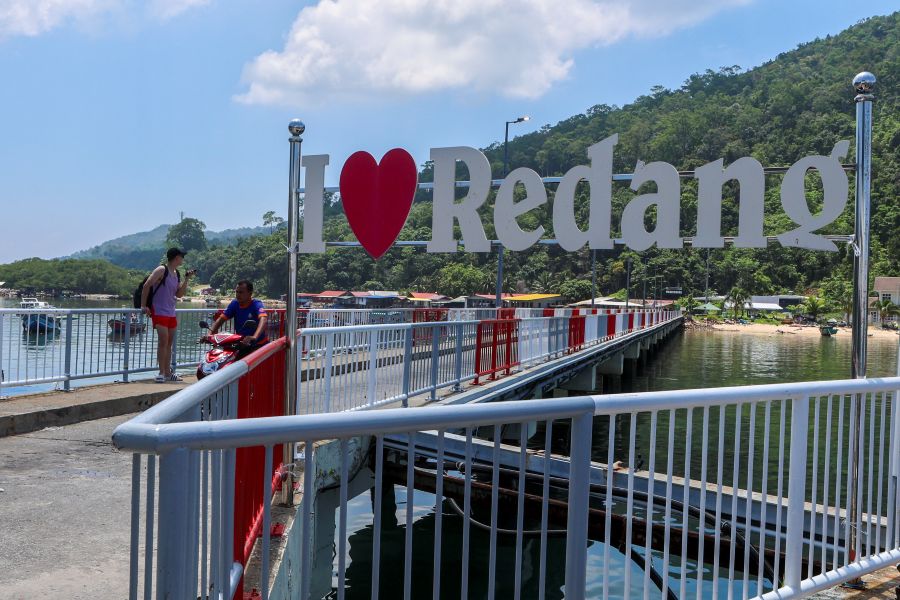
344 resort islands threatened by pollution due to poor waste management
Translated from Malay, summarized and contextualized by DistantNews.
At a glance
News
Sources not specified
Context piece
- A significant portion of Malaysia's 344 resort islands face pollution threats due to inadequate waste and sewage management systems.
- Islands like Perhentian, Redang, Kapas, Mabul, and Selakan lack centralized facilities, relying on individual septic tanks or transport to the mainland.
- Environmental experts warn that this situation risks severe environmental and marine pollution, especially with rising tourism and local populations.
Many of Malaysia's 344 resort islands are at risk of environmental pollution because they lack centralized waste and sewage management systems. Popular destinations such as Pulau Perhentian, Pulau Redang, Pulau Kapas in Terengganu, and Pulau Mabul and Pulau Selakan in Sabah are particularly vulnerable. These islands often depend on individual septic tanks or require waste to be transported to the mainland, unlike a few islands like Langkawi, Pangkor, and Tioman that have more comprehensive facilities.
The main weakness in waste management on the islands is the reliance on boats, which are affected by weather and sea conditions, as well as the waste transport capacity that cannot cope with the sudden increase in tourist numbers during peak season.
Environmental expert Prof. Dr. Mohd. Fadhil Md. Din from Universiti Teknologi Malaysia warns that this inadequate infrastructure poses a significant risk of land and marine pollution. He notes that the increasing number of residents, sometimes reaching 3,000 per island, combined with high tourist numbers, places immense pressure on waste management capacity. This is exacerbated by the absence of sufficient sewage treatment and waste disposal infrastructure.
Challenges in waste management on these islands include a reliance on boats, which are subject to weather conditions, and insufficient transport capacity during peak tourist seasons. The situation is worsened by a lack of backup boats, emergency plans, and the mixing of different waste types in open transit sites near the sea. Previous reports have highlighted severe waste accumulation issues on islands like Redang, prompting cleanup operations.
Among the weaknesses is the reliance on boats affected by weather and sea conditions, and insufficient transport capacity during peak seasons.
Specific islands like Aur, Besar, Sibu, Tinggi, and Pemanggil generate more waste from tourists than locals, yet still rely on septic tanks for sewage. In Mabul and other Semporna islands, formal waste collection and sanitation are not widespread, especially in water village areas. Mantanani and Aman islands face cost and logistical hurdles in maintaining community-based waste management systems. Dr. Mohd. Fadhil also pointed to overlapping responsibilities among local authorities, marine park management, resorts, and operators as a key challenge.
The increase in population reaching 3,000 people on each island, in addition to the high number of tourists, can put great pressure on waste management capacity, especially when the islands do not have adequate sewage treatment and waste disposal infrastructure.
DistantNews Editorial
Originally published by Utusan Malaysia in Malay. Translated, summarized, and contextualized by our editorial team with added local perspective. Read our editorial standards.
More Stories


From Our Blog

What Gets Lost (and Found) When News Is Translated

The Critical Role of Diaspora Media in Global News

What Travellers Should Know About Countries with Restricted Press

A Digital Nomad's Guide to Following Local News

How the Same Story Looks Different in Different Countries
