


Malaysia Prepares for El Nino with Five Key Measures
Translated from Malay, summarized and contextualized by DistantNews.
At a glance
News
Sources not specified
New plan
- Malaysia's government is implementing five preparatory measures to mitigate the impact of the potential El Nino phenomenon, which could last until early 2027.
- Key measures include cloud seeding operations to increase rainfall, ensuring water supply, and collaborating with agricultural and health ministries to manage impacts on food security and public health.
- The Ministry of Natural Resources and Environmental Sustainability is also strengthening monitoring systems and early warning capabilities for El Nino and climate events.
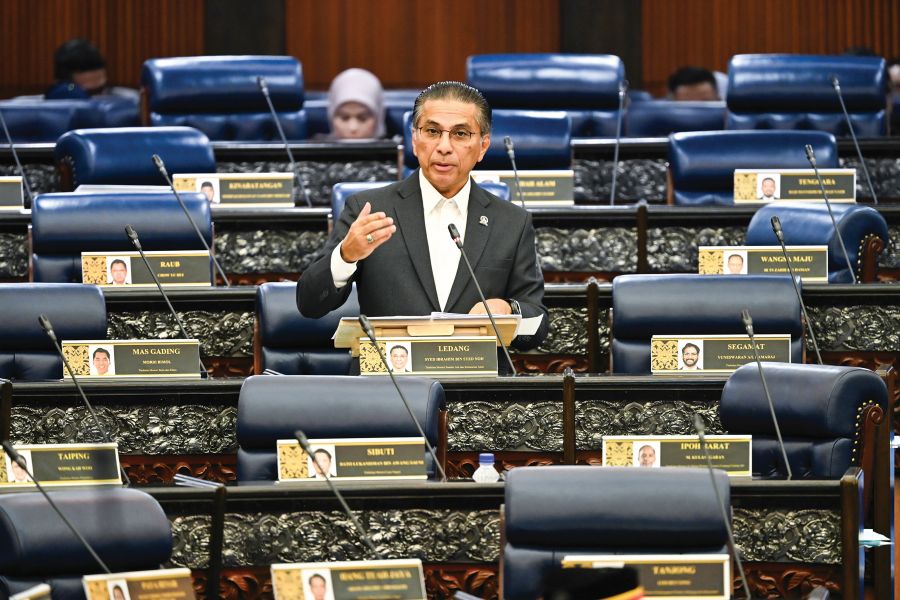
Malaysia is proactively preparing for the potential impacts of the El Nino phenomenon, with the government outlining five key preparatory measures. Deputy Minister of Natural Resources and Environmental Sustainability, Syed Ibrahim Syed Noh, stated that cloud seeding operations are a primary strategy to bolster water resources.
These cloud seeding flights aim to enhance rainfall, thereby increasing water levels in dams and mitigating drought effects. The initiative also seeks to combat haze episodes. "For the period of February to June, 35 cloud seeding flights have been conducted in several strategic locations nationwide," Syed Ibrahim said in the Dewan Negara.
Beyond cloud seeding, the ministry is focusing on food security and public health. The Malaysian Meteorological Department (MET Malaysia) is working closely with the Ministry of Agriculture and Food Security, providing monthly agricultural meteorology analyses and advice to aid in planning planting schedules, water resource management, and mitigating the effects of hot weather on food production.
The Ministry of Health, supported by MET Malaysia, will enhance public awareness about the health impacts of hot weather through various channels. Community leaders, NGOs, and health volunteers are also involved in strengthening health education. Additionally, Malaysia is reinforcing its El Nino monitoring, forecasting systems, and climate early warning systems.
DistantNews Editorial
Originally published by Utusan Malaysia in Malay. Translated, summarized, and contextualized by our editorial team with added local perspective. Read our editorial standards.
More Stories


From Our Blog

What Gets Lost (and Found) When News Is Translated

The Critical Role of Diaspora Media in Global News

What Travellers Should Know About Countries with Restricted Press

A Digital Nomad's Guide to Following Local News

How the Same Story Looks Different in Different Countries
