

51 degrees and counting: Surviving heat in Jacobabad
Summarized and contextualized by DistantNews.
At a glance
In-depth
Sources not specified
Context piece
- Residents of Jacobabad, Pakistan, face extreme heat and frequent power outages, making survival a daily struggle.
- Shabana, a 42-year-old woman, describes enduring 51°C heat index with three days without electricity, relying on a small fan and careful solar panel management.
- She notes that while heat was always present, the combination of extreme temperatures, frequent power cuts, and water scarcity has worsened living conditions.
In Jacobabad, Pakistan, survival in June 2026 is a relentless battle against extreme heat and crippling power outages. Shabana, 42, endures days without electricity, her small fan offering minimal relief against a heat index that soared to 51°C.
It used to be hot before as well. But electricity did not disappear this often, and water was always available.
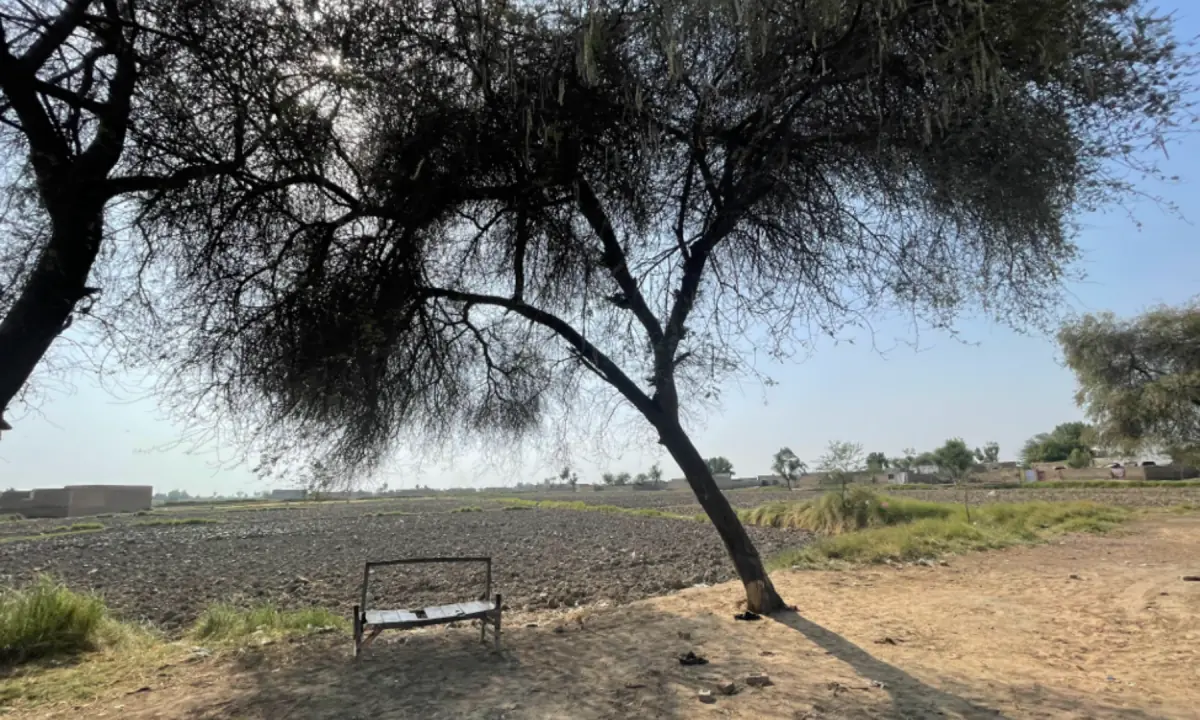
Her daily routine is dictated by the sun's movement, meticulously tracking its path across the courtyard to ensure the solar panel powering her fan maintains its charge. "It used to be hot before as well," Shabana shares, her voice reflecting a deep weariness. "But electricity did not disappear this often, and water was always available."
The current reality is starkly different. "There has been no electricity at my house for the last three days. It is very hot. We feel very hot. But what can we do?" she laments, the heat seemingly draining her physically and emotionally. "I feel as though I have dried up because of the heat."
There has been no electricity at my house for the last three days. It is very hot. We feel very hot. But what can we do?
Shabana's experience highlights the severe impact of climate change and inadequate infrastructure on vulnerable populations. The combination of relentless heat, unreliable electricity, and dwindling water resources paints a grim picture of life in one of the world's hottest cities, where basic necessities become luxuries and resilience is a daily requirement.
I feel as though I have dried up because of the heat.
DistantNews Editorial
Originally published by Dawn. Summarized and contextualized by our editorial team with added local perspective. Read our editorial standards.
More Stories
From Our Blog

What Gets Lost (and Found) When News Is Translated

The Critical Role of Diaspora Media in Global News

What Travellers Should Know About Countries with Restricted Press

A Digital Nomad's Guide to Following Local News

How the Same Story Looks Different in Different Countries
