


6,000 years of continuous settlement: Çadır Höyük reveals Anatolian life history
Translated from Polish, summarized and contextualized by DistantNews.
At a glance
News
Named sources
Context piece
- Archaeologists are studying Çadır Höyük in central Turkey, a site with approximately 6,000 years of continuous settlement.
- Excavations focus on architectural traditions, settlement organization, and pottery production, revealing continuity with modern village life.
- The site's layers span from the Chalcolithic to the Byzantine period, offering insights into millennia of human history in Anatolia.
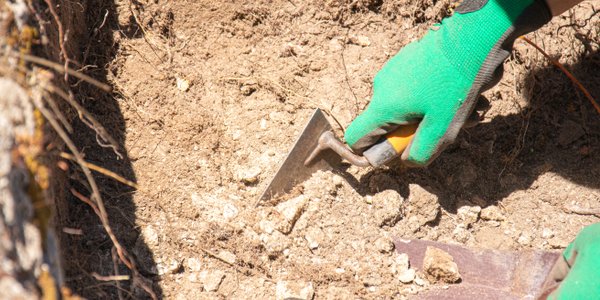
Archaeologists excavating at Çadır Höyük in central Turkey are uncovering the history of a community that has been continuously inhabited for an estimated 6,000 years. The ongoing research, now in its 33rd year, aims to reconstruct the lives of its inhabitants by examining how they built their homes, organized their settlement, and produced pottery.
Led by Professor Sharon Steadman of SUNY Cortland's Anthropology Department, the current digs are concentrating on architectural traditions. These traditions, remarkably, appear to have persisted into the nearby village of Peyniryemez. The archaeological site, located near this village in the Sorgun district of Yozgat province, has revealed settlement layers dating from the Chalcolithic period (Copper Age) through the Byzantine era.
Professor Steadman noted that the excavations cover a vast timeline, including periods like the Chalcolithic, where communities began using copper tools alongside stone implements. Evidence from the Hittite period, the Iron Age, and other historical phases has also been found, allowing researchers to trace the evolution of settlement patterns over millennia.
This season's work specifically investigates building construction methods and how the layout of the settlement influenced daily life. Mud-brick buildings arranged around internal courtyards, with living quarters opening onto them, have been identified. Intriguingly, a similar layout is visible in the modern village of Peyniryemez, suggesting a deep-rooted architectural continuity.
Professor Steadman highlighted that these ancient homes, much like contemporary ones, faced the streets, fostering community interaction and movement within the settlement. Findings in the courtyards indicate they served not only as communal spaces but also as centers for pottery production. These discoveries offer valuable insights into the interconnectedness of architecture, craftsmanship, and social life at Çadır Höyük across different epochs.
Ancient houses, like today's, faced the streets, creating a layout conducive to moving around the settlement and maintaining contact with neighbors.
DistantNews Editorial
Originally published by Rzeczpospolita in Polish. Translated, summarized, and contextualized by our editorial team with added local perspective. Read our editorial standards.
More Stories



From Our Blog

What Gets Lost (and Found) When News Is Translated

The Critical Role of Diaspora Media in Global News

What Travellers Should Know About Countries with Restricted Press

A Digital Nomad's Guide to Following Local News

How the Same Story Looks Different in Different Countries
