


6,500-Year-Old Structure Discovered in Czech Republic Predates Stonehenge
Translated from Polish and summarized by DistantNews. Read the original for the full story.
At a glance
News
Sources not specified
Outcome reported
- Archaeologists in the Czech Republic discovered a 6,500-year-old monumental structure near Chleby.
- The structure, over a thousand years older than Stonehenge, likely functioned as a sanctuary and an astronomical observatory.
- Evidence suggests it was used for observing celestial bodies and possibly involved in rituals, with findings including cattle skulls and horns.
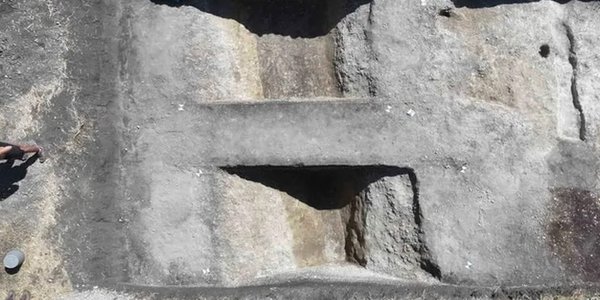
An extraordinary archaeological discovery in the Czech Republic has revealed a monumental structure dating back approximately 6,500 years, predating the earliest phases of Stonehenge by more than a millennium. Unearthed near the village of Chleby, the circular construction measures about 230 meters in diameter and is encircled by a moat exceeding 2.5 meters in depth.
Researchers have identified twelve irregularly spaced entrances leading into the moat, suggesting a deliberate and non-random layout. Detailed analysis indicates the structure likely served dual purposes: a sanctuary for rituals and a sophisticated site for observing celestial movements. Two primary observation points have been identified, correlating with the extreme positions of the moon in its 18.6-year cycle and the sunrise during the summer solstice aligned with the sunset during the winter solstice.
Evidence found within the moat, including cattle skulls and horns, potentially adorned the entrances and may point to a connection with the bull cult, significant for early European agricultural communities. The site's original function appears to have been forgotten over time, as later communities, including those from the Bronze Age's Únětice culture, utilized the area. Remains of about 18 individuals from this culture were found at the site.
Further research, including chemical analysis of the soil, is planned to shed more light on the activities conducted at the site and how its purpose evolved. Currently, it stands as one of the oldest monumental structures of its kind discovered in Central Europe, offering valuable insights into the astronomical knowledge and spiritual practices of Neolithic societies.
About this summary
Originally published by Rzeczpospolita in Polish. Translated, summarized, and contextualized automatically by DistantNews, with a note on how the source frames the story. Not individually reviewed before publishing. How this works.
More Stories



From Our Blog

What Gets Lost (and Found) When News Is Translated

The Critical Role of Diaspora Media in Global News

What Travellers Should Know About Countries with Restricted Press

A Digital Nomad's Guide to Following Local News

How the Same Story Looks Different in Different Countries
