

70 Nigerian CSOs Demand Electoral Offenses Commission to Curb Vote Trading
Translated from English and summarized by DistantNews. Read the original for the full story.
At a glance
News
Named sources
Outcome reported
- Over 70 Nigerian civil society organizations are calling for the creation of an electoral offenses commission to combat vote trading.
- The group highlighted issues like vote buying and the distribution of food as inducements during the recent Osun State governorship election.
- They also urged the National Assembly to establish clear timelines for resolving pre-election legal cases to ensure smoother electoral processes.
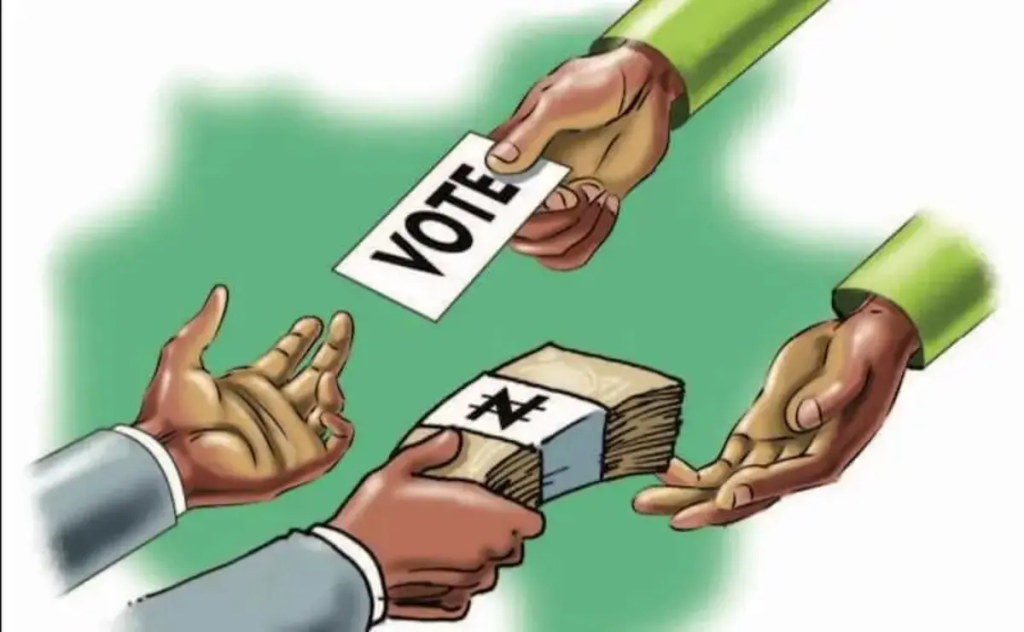
A coalition of over 70 Nigerian civil society organizations, operating under the umbrella of the Nigeria Civil Society Situation Room, has demanded the establishment of an electoral offenses commission to address widespread vote trading.
The circumstances surrounding the late addition of the SDP candidate to the Osun State governorship ballot, following a Federal High Court judgment of 22 July 2026, forced the Commission to reproduce ballot papers and result sheets, with the late production reportedly delaying the arrival and distribution of sensitive materials.
The group's final statement on the recent Osun State governorship election detailed concerns about "systemic risk," particularly citing "late judicial determinations affecting candidates" that disrupted ballot production and logistics. They pointed to the delayed inclusion of a candidate following a court judgment, which forced the commission to reprint ballot papers and reportedly caused delays in material distribution.
Observers deployed across Osun State reported incidents of "thuggery and vote buying" despite a visible security presence. The Situation Room expressed deep concern over reports of voters being induced with items like "jollof rice and drinks," which caused disorderliness at some polling units. They noted that voters were observed displaying signs of their preferred party after voting, with their names and phone numbers being recorded by party agents.
The Situation Room remains concerned about reports of vote trading and voter inducement during the election across political parties.
The coalition also flagged technical difficulties with the Bimodal Voter Accreditation System (BVAS), which particularly affected the speed of facial recognition for elderly voters. While acknowledging technology's role in improving electoral integrity, they warned that technical failures can erode public confidence.
Vote buying represents a direct assault on the principle of free choice and undermines the democratic value of elections.
In addition to calling for the electoral offenses commission, the CSOs urged the National Assembly to set firm deadlines for the expeditious conclusion of pre-election cases, emphasizing that such matters must be handled within constitutional and statutory timelines.
While technology remains an important instrument for improving electoral integrity, technical failures can undermine confidence when they delay accreditation or create uncertainty about the validity of the process.
About this summary
Originally published by Vanguard in English. Translated, summarized, and contextualized automatically by DistantNews, with a note on how the source frames the story. Not individually reviewed before publishing. How this works.
More Stories

From Our Blog

How the Same Story Looks Different in Different Countries

What Gets Lost (and Found) When News Is Translated

The Critical Role of Diaspora Media in Global News

What Travellers Should Know About Countries with Restricted Press

A Digital Nomad's Guide to Following Local News
