

8 Takeaways From The US-Iran War
Translated from English, summarized and contextualized by DistantNews.
At a glance
Analysis
Sources not specified
Context piece
- The conflict between the US and Iran appears to be over, offering several lessons about the nature of modern warfare and political strategy.
- President Trump's personal approach to the conflict is criticized for its high cost and limited gains, contrasting with previous diplomatic efforts.
- Military action alone cannot resolve political issues, as demonstrated by Iran's continued assertion of its right to enrich uranium post-ceasefire.
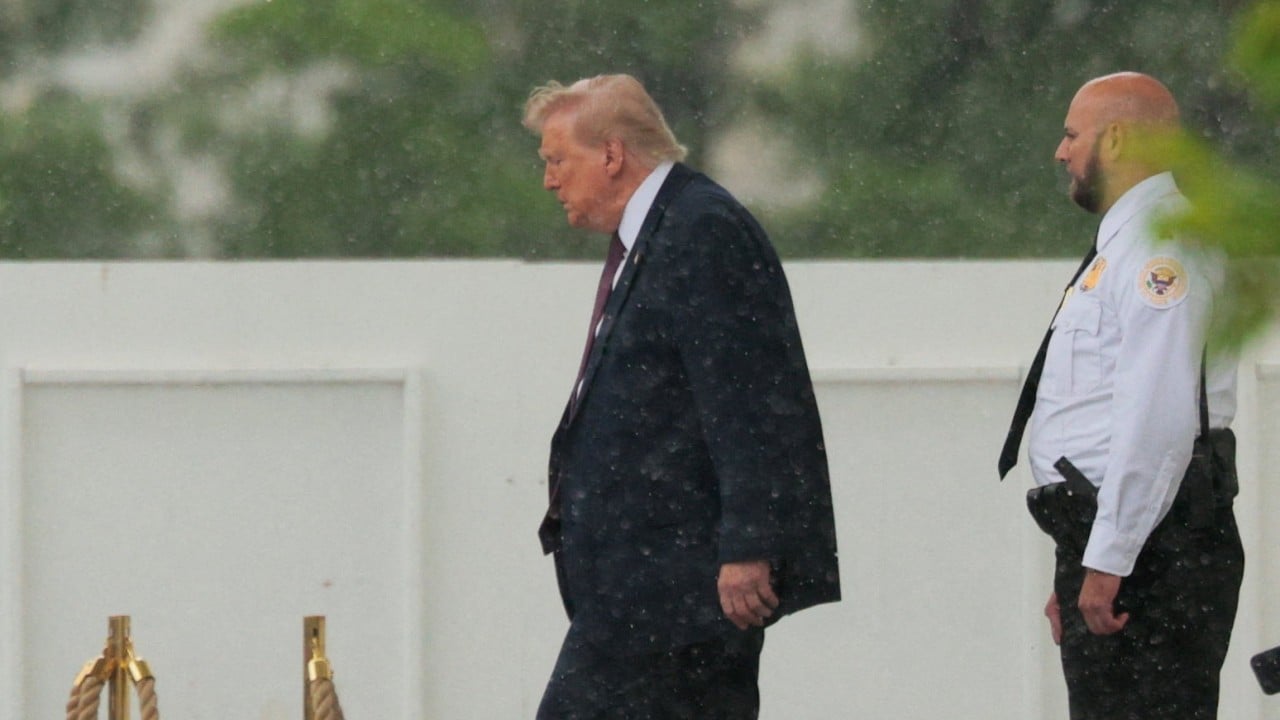
The recent conflict between the United States and Iran, though the dust has yet to fully settle, offers stark lessons on the complexities of international relations and the limitations of military intervention. Observers note that President Donald Trump's personal engagement with the conflict has come at a significant global cost, with billions of taxpayer dollars spent, depleted military stockpiles, and strained alliances yielding minimal strategic gains.
arms are ill-omened tools, employed only as a last resort.
This approach stands in contrast to previous diplomatic strategies, such as former President Barack Obama's 2015 deal, which successfully removed 97% of Iran's enriched uranium without significant conflict. Trump's administration has framed a ceasefire memorandum of understanding as a diplomatic victory, a move analysts suggest is an attempt to spin a costly misstep.
got 97 per cent of their enriched uranium out.
The conflict underscores a fundamental principle: military strikes are insufficient to resolve deep-seated political problems. Despite the cessation of hostilities, Iran's President Masoud Pezeshkian reiterated the nation's sovereign right to enrich uranium, indicating that core political issues remain unresolved. This situation echoes the cyclical nature of international diplomacy, where military actions often fail to achieve lasting political settlements.
There’s no dispute that it worked.
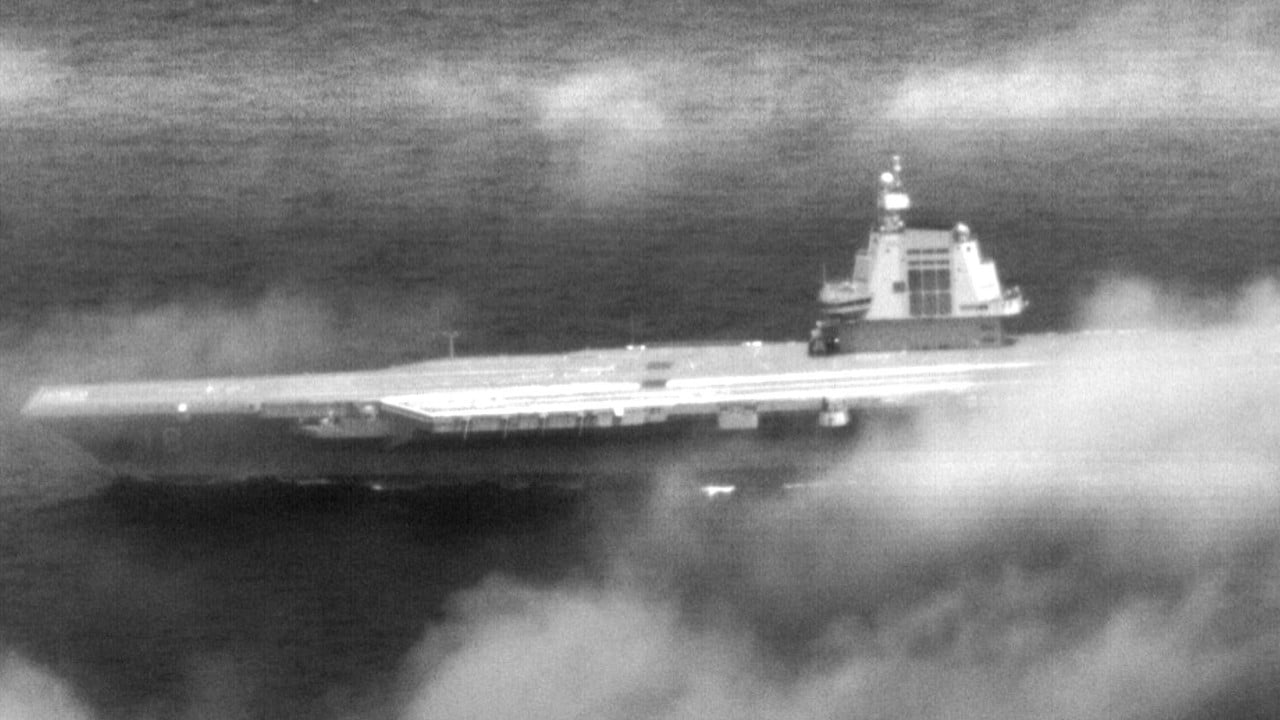
Furthermore, the conflict highlights the strategic importance of land-based capabilities in controlling vital waterways. While the US Navy struggled to blockade the Strait of Hormuz, Iran effectively dominated the northern coastline through a combination of anti-ship missiles, drones, fast-attack craft, and radar surveillance. Eliminating these coastal threats would necessitate a full-scale ground invasion, a step President Trump has avoided due to fears of escalation.
And we didn’t have to kill a whole bunch of people or shut down the Strait of Hormuz.
DistantNews Editorial
Originally published by South China Morning Post in English. Translated, summarized, and contextualized by our editorial team with added local perspective. Read our editorial standards.
More Stories
From Our Blog

Countries Without a Free Press: What You Need to Know

What Press Freedom Means for the News You Read

What Gets Lost (and Found) When News Is Translated

The Critical Role of Diaspora Media in Global News

What Travellers Should Know About Countries with Restricted Press
