


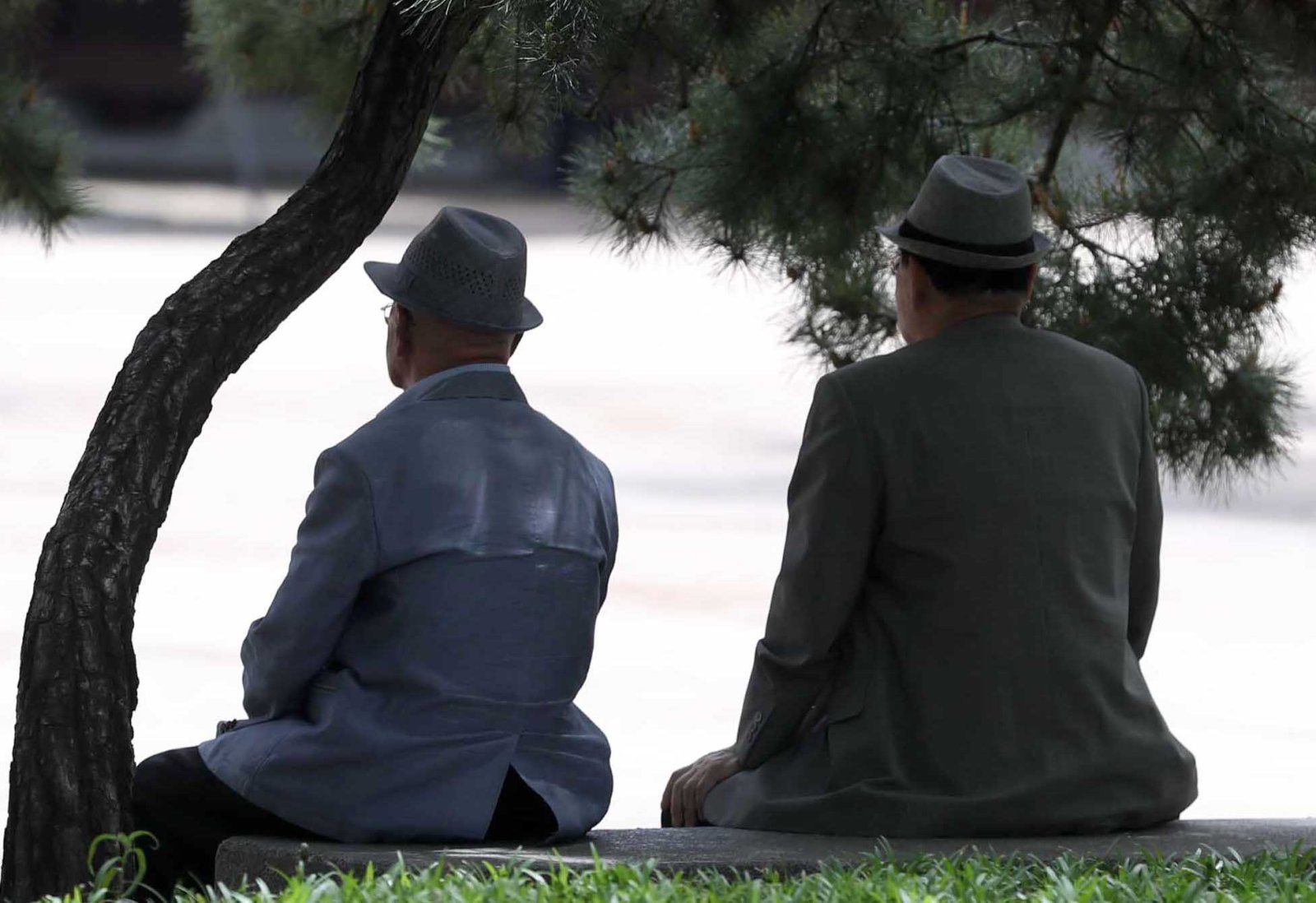
80,000 Seniors Lose Basic Pension Due to Increased Income and Assets
Translated from Korean, summarized and contextualized by DistantNews.
At a glance
News
Named sources
Context piece
- Over 80,000 elderly individuals in South Korea lost their basic pension eligibility in 2024 due to increased income or assets.
- Since 2021, more than 307,000 seniors have been disqualified from the program.
- The basic pension, introduced in 2014, provides monthly payments to the bottom 70% of income earners aged 65 and older.
An increasing number of elderly South Koreans are losing their eligibility for the basic pension, with over 80,000 seniors disqualified in 2024 alone due to rising income or assets. This trend highlights a growing challenge for the nation's social welfare system. Since the program's introduction in 2021, a total of 307,000 elderly individuals have been removed from the basic pension rolls. The pension, established in 2014, aims to support the bottom 70% of income earners aged 65 and above, providing a monthly payment of 349,700 won for individuals.
The number of seniors losing their benefits has seen a significant uptick, with figures rising from 52,000 in 2021 to 54,000 in 2022, and then sharply to 83,000 in 2024. This pattern suggests that the criteria for the basic pension may not be adequately adjusting to the economic realities faced by many older citizens. The disqualification of a substantial number of seniors raises questions about the adequacy of the support system and its ability to protect the most vulnerable.
Despite the disqualifications, the program still offers some flexibility. For instance, a single elderly person can earn up to 4.68 million won monthly from work and still receive the pension. Similarly, a couple without other income but owning a home valued up to 1.32 billion won based on official assessment can qualify. However, the rising number of mid-term disqualifications indicates that a growing segment of the elderly population is surpassing these thresholds, potentially leaving them without a crucial financial safety net.
DistantNews Editorial
Originally published by Dong-A Ilbo in Korean. Translated, summarized, and contextualized by our editorial team with added local perspective. Read our editorial standards.
More Stories

From Our Blog

What Gets Lost (and Found) When News Is Translated

The Critical Role of Diaspora Media in Global News

What Travellers Should Know About Countries with Restricted Press

A Digital Nomad's Guide to Following Local News

How the Same Story Looks Different in Different Countries
