


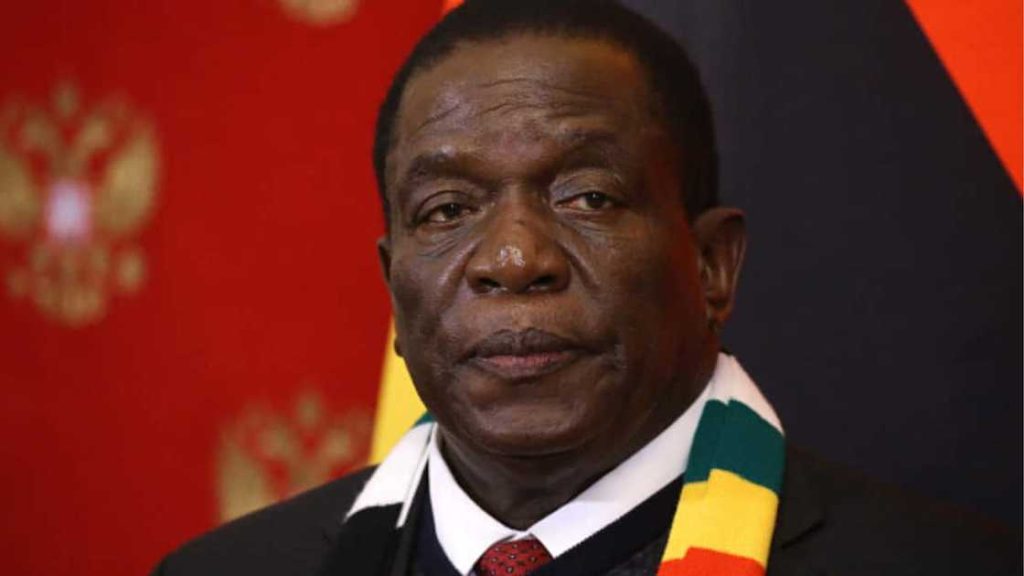
83-yr-old Zimbabwe President wins Senate backing for term extension
Summarized and contextualized by DistantNews.
At a glance
News
Sources not specified
Approved/passed
- Zimbabwe's Senate overwhelmingly approved constitutional amendments extending presidential and parliamentary terms to seven years.
- The changes, criticized as a "constitutional coup," would allow 83-year-old President Emmerson Mnangagwa to remain in office until 2030.
- Opposition figures plan to challenge the amendments in court, arguing they undermine democratic principles and entrench the ruling party's power.
Zimbabwe's Senate has overwhelmingly approved controversial constitutional amendments that extend presidential and parliamentary terms from five to seven years, potentially allowing 83-year-old President Emmerson Mnangagwa to remain in office until 2030. The changes, which have already passed the lower house, now require only technical adjustments before being signed into law by Mnangagwa.
The bill will have to return to the National Assembly to sign off on technical adjustments before being signed into law by Mnangagwa, an official said.
The amendments, dubbed a "constitutional coup" by critics, also alter the process for appointing a president, moving away from direct elections introduced in 1987. Zimbabwe's opposition, weakened by years of repression, argues these measures will further solidify the ruling Zanu-PF party's grip on power in the resource-rich nation.
The measures will entrench Zanu-PF’s grip on power in the resource-rich nation.
Activists have reported intimidation and violence, including arrests and assaults by suspected state agents, when attempting to mobilize resistance. Mnangagwa, who came to power in a 2017 military-backed coup, has been criticized by some analysts as more autocratic than his predecessor, Robert Mugabe. He was elected to two five-year terms in 2018 and 2023.
I have no doubt that the faction of Zanu-PF promoting this will ignore their constitutional obligations.
Despite the parliamentary approval, opposition figures have vowed to challenge the amendments in court. They argue the changes are an "effective breach" of constitutional provisions, including the right to vote, and should be subject to a national referendum. However, a previous attempt to challenge the bill in the Constitutional Court was dismissed for lacking legal grounds.
The only way we will be able to get a referendum is if the Constitutional Court issues an order that this is compulsory, as it is.
DistantNews Editorial
Originally published by Vanguard. Summarized and contextualized by our editorial team with added local perspective. Read our editorial standards.
More Stories


From Our Blog

How the Same Story Looks Different in Different Countries

What Gets Lost (and Found) When News Is Translated

The Critical Role of Diaspora Media in Global News

What Travellers Should Know About Countries with Restricted Press

A Digital Nomad's Guide to Following Local News
