

A 24,000-tree forest at Lima’s Sinchi Roca Park disappeared after land was ceded for Metropolitano works
Translated from Spanish and summarized by DistantNews. Read the original for the full story.
At a glance
News
Documents & data
In the courts
- Sinchi Roca Park in Lima’s Comas district lost about 10 hectares for infrastructure linked to the Metropolitano bus system, equal to 18.5% of the park’s area.
- A 2009 Serpar report recorded an ecological forest with about 24,000 trees, including eucalyptus, casuarina, pepper trees, tecoma, mimosa and ash.
- Lima’s municipal government and Serpar have maintained that the affected land was an old landfill, while the dispute remains before Peru’s Constitutional Court.
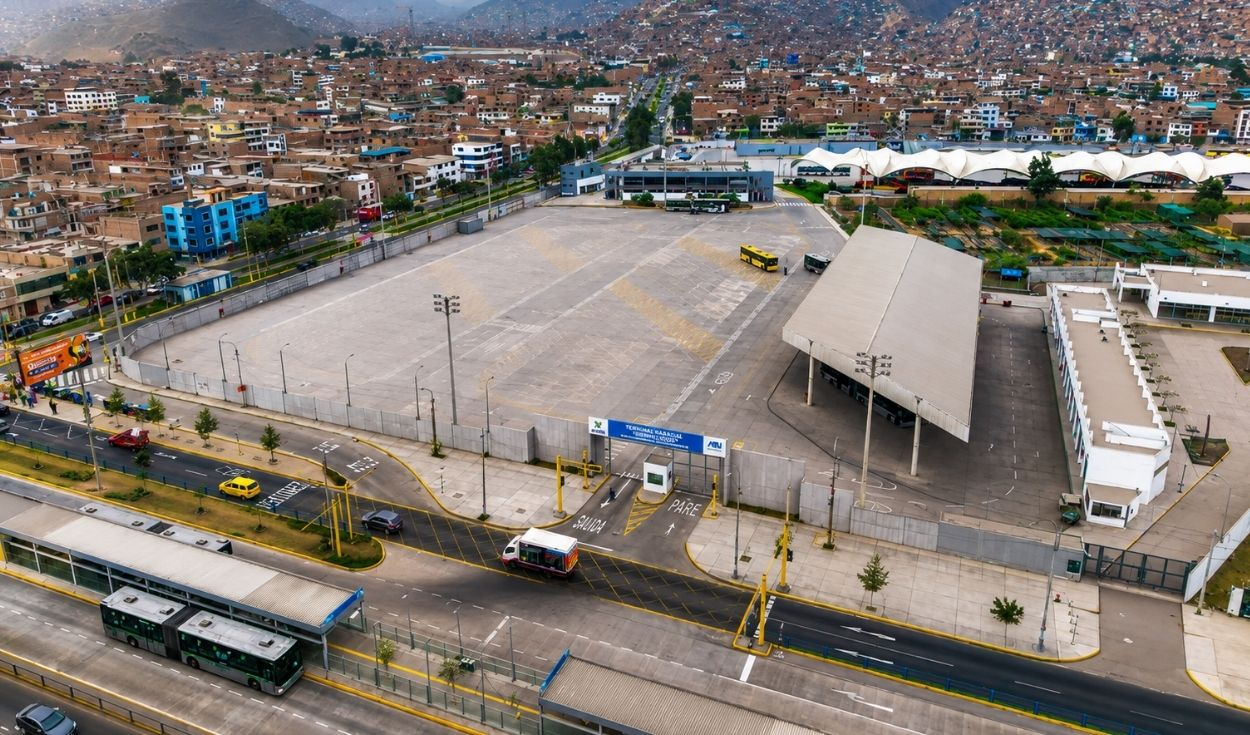
A forest of roughly 24,000 trees stood in the part of Lima’s Sinchi Roca Park that was later ceded for Metropolitano transport infrastructure, according to official documents reviewed by Actualidad Ambiental. The finding conflicts with the account maintained by the Metropolitan Municipality of Lima and the city parks service, Serpar, which say the land was an old sanitary landfill.
The park, located in Comas, is one of the main public green spaces in northern Lima. It covers about 54 hectares and serves residents of Comas and nearby districts including Carabayllo, Independencia and Los Olivos.
The first transfer of land took place in 2009. Under Municipal Council Agreement No. 121, Lima authorized the transfer of about 7.8 hectares to Protransporte, an agency later absorbed by the Urban Transport Authority. The land became the Patio Aplicación Norte of COSAC I, used for fueling, maintaining and parking Metropolitano buses.
Another 2.2 hectares were transferred in 2017 under Agreement No. 212 to expand transport infrastructure serving Comas and Carabayllo. The two transfers totaled about 10 hectares, or 18.5% of the park, according to the investigation.
A Serpar report dated Feb. 10, 2009, identified the area as the Sinchi Roca Ecological Forest and recorded approximately 24,000 trees. The listed species included eucalyptus, casuarina, pepper trees, tecoma, mimosa and ash. The plantations were about six years old, although the report also said roughly 35% of the forest had died because of the characteristics of land that had previously operated as a landfill. A neighborhood dispute over the reduction of green space remains before Peru’s Constitutional Court.
About this summary
Originally published by La República in Spanish. Translated, summarized, and contextualized automatically by DistantNews, with a note on how the source frames the story. Not individually reviewed before publishing. How this works.
More Stories

From Our Blog

What Gets Lost (and Found) When News Is Translated

The Critical Role of Diaspora Media in Global News

What Travellers Should Know About Countries with Restricted Press

A Digital Nomad's Guide to Following Local News

How the Same Story Looks Different in Different Countries
