

A Beginner's Guide to Buying Pre-Owned Luxury Watches: Risks and Tips
Translated from English, summarized and contextualized by DistantNews.
TLDR
- The pre-owned luxury watch market offers significant price advantages over buying new, with some used models selling below retail.
- The secondary market also provides access to rare and hard-to-find watch models, shifting collector focus towards design history, rarity, and craftsmanship.
- Newcomers to the market face risks due to the variety and age of watches, but thorough research, connecting with communities, and buying from reputable sellers can mitigate these concerns.
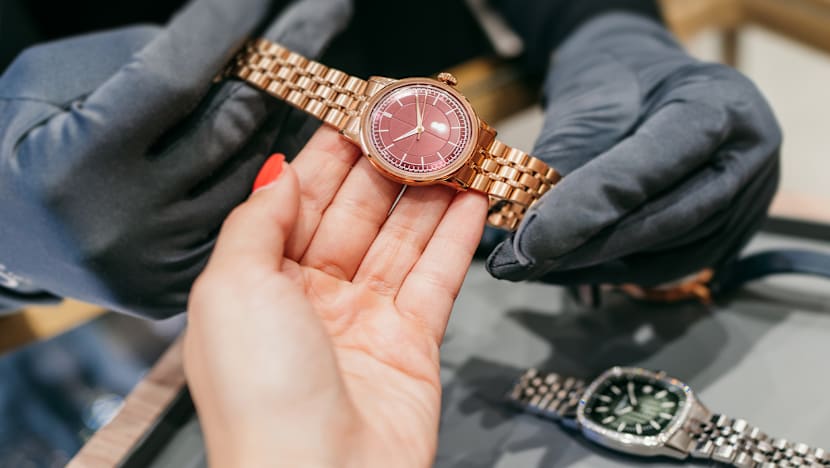
The allure of luxury watches often extends beyond the pristine displays of authorized dealers, drawing enthusiasts into the vibrant world of the pre-owned market. For many, the primary attraction is the substantial price difference compared to buying directly from the brand. It's not uncommon to find pre-owned luxury timepieces at significantly lower price points, with even brand-new watches sometimes appearing below their original retail price in the secondary market.
Many used watch models may not retain their original retail price, and buyers could often pick up a bargain in the pre-loved market. I have even seen brand-new watches selling below retail price in the second-hand market.
Beyond the financial benefits, the second-hand market has cultivated a deeper appreciation for horology. Collectors are increasingly drawn to the hunt for rare or discontinued models, shifting their focus from merely the latest releases to the rich tapestry of design history, enduring rarity, and the meticulous craftsmanship that spans decades. This exploration transforms watch collecting into a thrilling journey, where the discovery itself is a significant part of the reward.
In many ways, the secondary market has shifted the culture of watch collecting. Instead of simply going for the latest release, buyers are increasingly interested in design history, rarity and craftsmanship across decades.
However, this exciting landscape is not without its challenges, particularly for those new to the scene. The very factors that make the market so appealing—its vast variety, the age of the pieces, and their inherent rarity—also introduce a degree of risk. Ensuring buyer security requires diligence and informed decision-making. Seasoned collectors emphasize the importance of extensive research, understanding a watch's model history, and identifying indicators of authenticity.
The second-hand market turns watch collecting into exploration – the thrill is always in the hunt, and that journey makes collecting truly rewarding.
Connecting with watch communities and owners of specific models can provide invaluable insights, helping buyers discern a watch's authenticity and historical accuracy. This deep dive into a watch's background not only verifies its legitimacy but also enriches the collector's appreciation, transforming a mere object into a tangible piece of history. Ultimately, navigating the pre-owned luxury watch market with confidence hinges on preparation, knowledge, and a trusted network.
The very qualities that make buying second-hand watches exciting – variety, age and rarity – also introduce certain risks.
DistantNews Editorial
Originally published by CNA in English. Translated, summarized, and contextualized by our editorial team with added local perspective. Read our editorial standards.
More Stories


From Our Blog

What Gets Lost (and Found) When News Is Translated

The Critical Role of Diaspora Media in Global News

What Travellers Should Know About Countries with Restricted Press

A Digital Nomad's Guide to Following Local News

How the Same Story Looks Different in Different Countries
