

A businessman bought a 23,000-acre Scottish sporting estate and spent two decades rewilding it
Summarized and contextualized by DistantNews.
At a glance
In-depth
Named sources
Context piece
- An English businessman has transformed a 23,000-acre Scottish hunting estate into an eco-tourism reserve over two decades.
- The Alladale Wilderness Reserve project involved planting one million native trees and reintroducing red squirrels.
- The initiative aims to restore the native Caledonian Forest, which has been heavily impacted by grazing and traditional land use.
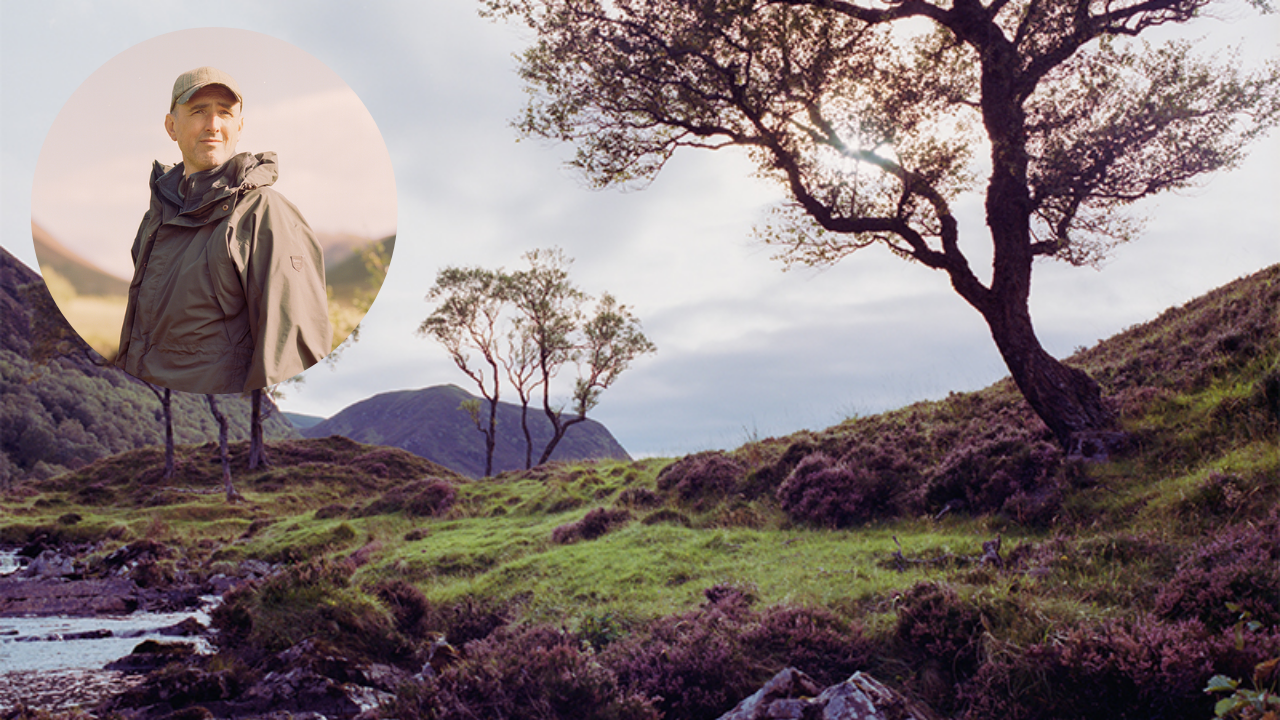
Paul Lister, an English businessman, purchased the Alladale estate in the Scottish Highlands in 2003 with the intention of reversing decades of environmental degradation. What was once a traditional sporting estate, primarily used for deer stalking and salmon fishing, has been meticulously reshaped over 23 years into the Alladale Wilderness Reserve.
The estate's landscape had suffered significantly from centuries of heavy grazing by red deer and sheep, leaving only a fraction of Scotland's native Caledonian Forest intact. To combat this, reserve managers implemented a large-scale ecological restoration project. They fenced off vast areas to protect the land from grazing animals and initiated an ambitious tree-planting program. In collaboration with local environmental groups, the estate has planted one million native trees, including Scots pine, birch, rowan, alder, and willow.
As the new woodland began to flourish, it created essential habitats for wildlife that had previously vanished from the glens. Alladale partnered with the conservation charity Trees for Life to reintroduce red squirrels, successfully establishing breeding populations. The reserve is also actively involved in restoring peatlands to enhance carbon storage and water retention. Furthermore, it participates in a national breeding program for the critically endangered Scottish wildcat, working with the Royal Zoological Society of Scotland.
The conservation efforts are primarily supported by high-end eco-tourism. The reserve offers accommodation in three catered lodges and provides guests with opportunities for guided nature walks, 4x4 wildlife safaris, and educational tours focused on the estate's conservation work and research. Lister has expressed his vision for the Highlands, contrasting the current landscape with the potential for ecological regeneration, moving away from traditional land uses that he argues do not enhance biodiversity or significantly benefit local communities.
If you fly from London to Istanbul, you will fly over nothing but a manifested landscape where we just literally dug, cut and plowed. And you think to yourself, what are the Scottish Highlands being used for? Over 100 years they've been more used for sporting pursuits, to serve a Victorian ideal. And also sheep farming. Neither of which, really, increases or improves the biodiversity of the land, or gives much in the way of livelihood to the communities in the area.
DistantNews Editorial
Originally published by Times of India. Summarized and contextualized by our editorial team with added local perspective. Read our editorial standards.
More Stories

From Our Blog

What Press Freedom Means for the News You Read

What Gets Lost (and Found) When News Is Translated

The Critical Role of Diaspora Media in Global News

What Travellers Should Know About Countries with Restricted Press

A Digital Nomad's Guide to Following Local News
