


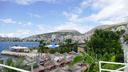
A Hotel for €32, Dinner for €8.50 and Beer for €1.50: Tirana Named Europe’s Cheapest Holiday City
Translated from Croatian and summarized by DistantNews. Read the original for the full story.
At a glance
In-depth
Documents & data
Context piece
- Tirana ranked as the cheapest of 13 European destinations analyzed by Thomas Cook, with an estimated daily cost of about €59 per person.
- The calculation included three-star hotel accommodation, an inexpensive restaurant meal, coffee, a daily bus ticket and paid attraction tickets.
- Bucharest ranked second at about €66 per day, while Antalya and Warsaw tied for third at €78.
Tirana has topped a list of affordable European holiday cities, with an estimated average daily cost of about €59 per person.
The analysis by Thomas Cook examined more than 50 popular European destinations and identified 13 where typical daily spending could remain at €100 or less per person. It included the average cost of a night in a three-star hotel, a meal at an inexpensive restaurant, coffee, a daily bus ticket and admission to paid attractions.
In Tirana, a three-star hotel costs about €32 per person per night. Dinner at an inexpensive restaurant averages around €8.50, while a local beer costs about €1.50.
Bucharest ranked second, at approximately €66 per day. Antalya in Turkey and Warsaw in Poland shared third place at €78. Istanbul followed at about €82, with three-star accommodation averaging €28 per person and inexpensive restaurant meals costing between €8 and €9.
Muğla and Krakow came next at €87 per day, followed by Vilnius and Frankfurt at €90. Lyon averaged €91, Tallinn €93 and Heraklion €99. Porto ranked last among the 13 destinations, at exactly €100 per person per day.
About this summary
Originally published by Večernji List in Croatian. Translated, summarized, and contextualized automatically by DistantNews, with a note on how the source frames the story. Not individually reviewed before publishing. How this works.
More Stories



From Our Blog

What Gets Lost (and Found) When News Is Translated

The Critical Role of Diaspora Media in Global News

What Travellers Should Know About Countries with Restricted Press

A Digital Nomad's Guide to Following Local News

How the Same Story Looks Different in Different Countries
