


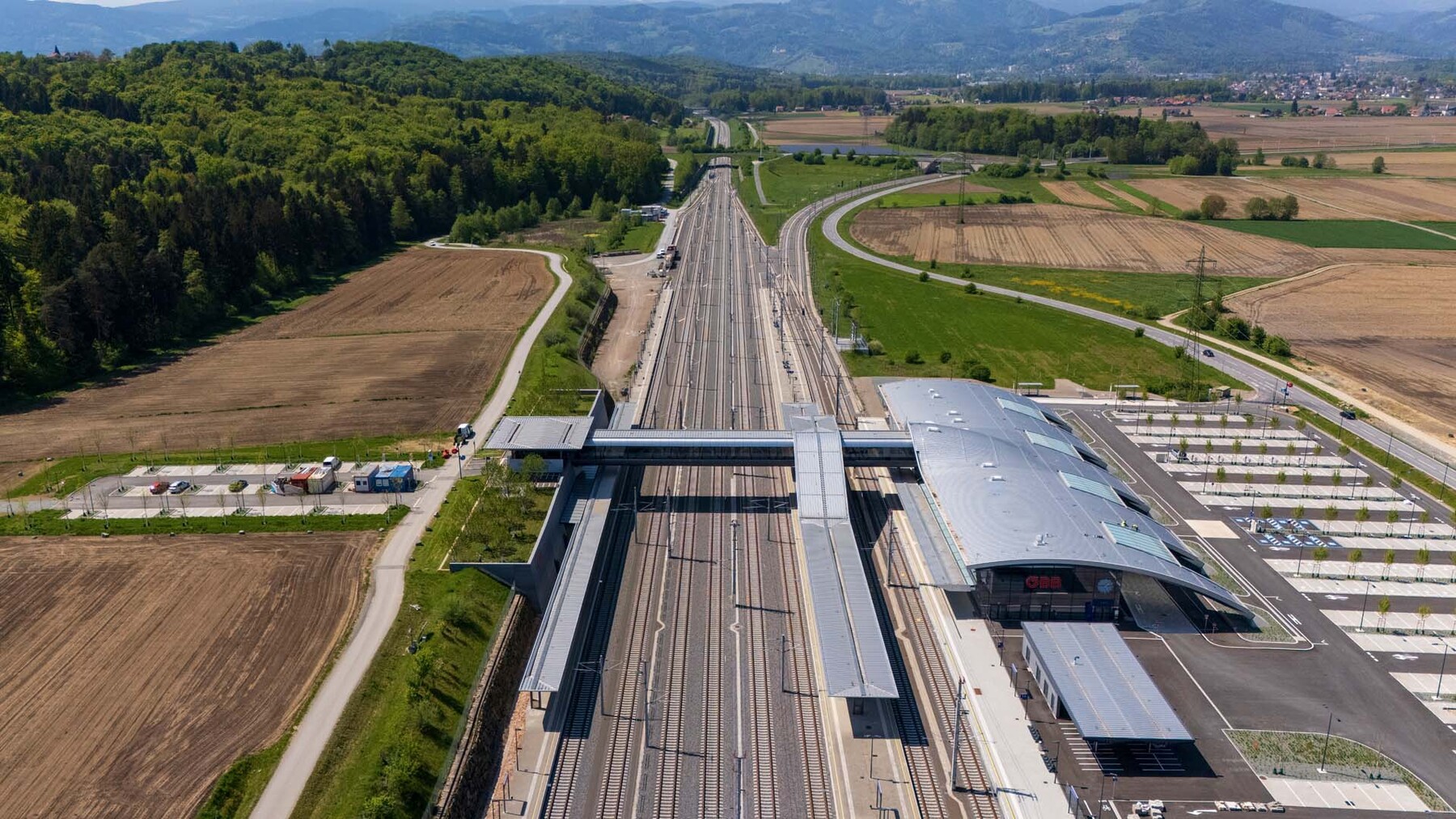
A Huge Train Station, All Alone in the Middle of Nowhere
Translated from German, summarized and contextualized by DistantNews.
At a glance
In-depth
Sources not specified
Context piece
- The article discusses the historical evolution of train stations from grand 'cathedrals of mobility' to functional, sometimes neglected, urban spaces.
- In Habsburg Austria, stations were designed using a modular system, with local ornamentation reflecting regional industries.
- Modern trends, driven by ecological concerns and the need for network expansion, are revitalizing train travel and station relevance.
Train stations, once hailed as 'cathedrals of mobility' during the 19th century's railway boom, have undergone a significant transformation. Initially conceived as architectural marvels with distinct roles for architects designing reception buildings and engineers crafting grand platforms, they served as crucial nodes shaping travel patterns. Examples like Gare du Nord in Paris and King's Cross in London embody this era of monumental station design.
In contrast, the Austro-Hungarian Empire adopted a more centralized, modular approach. Train station buildings were designed in Vienna using a system that allowed for flexible adaptation in size and features across the empire. Local elements, such as wooden beams or natural stones, were incorporated to reflect regional industries like forestry or mining, integrating the stations into their immediate surroundings.
However, by the mid-20th century, the rise of the automobile diminished the railway's prominence. Stations, often situated at the city's edge, began to lose their prestige. Once-grand avenues leading to them became neglected, and station districts sometimes devolved into red-light areas, highlighting a shift from central hubs to peripheral, less desirable zones.
Recent decades have seen a resurgence of interest in rail travel, partly driven by environmental concerns and the need to expand networks. Projects like the Koralm Railway, connecting major cities and European transport routes, aim to enhance the attractiveness and efficiency of train travel. This renewed focus is breathing new life into station infrastructure, repositioning them as vital links between technical systems and people's lives, and potentially reversing their earlier decline.
DistantNews Editorial
Originally published by Die Presse in German. Translated, summarized, and contextualized by our editorial team with added local perspective. Read our editorial standards.
More Stories


From Our Blog

What Gets Lost (and Found) When News Is Translated

The Critical Role of Diaspora Media in Global News

What Travellers Should Know About Countries with Restricted Press

A Digital Nomad's Guide to Following Local News

How the Same Story Looks Different in Different Countries
