


A Special Vacation to the Hospice Ward: Finding Meaning in Life's Final Chapter
Translated from Korean, summarized and contextualized by DistantNews.
At a glance
In-depth
Sources not specified
Context piece
- Hospice and palliative care aim to help patients live their remaining time comfortably and meaningfully, integrating physical, psychological, social, and spiritual support.
- The discussion around legalizing physician-assisted death prompts a crucial question: is society adequately providing end-of-life care, including pain relief, emotional support, and opportunities for reconciliation and meaning-making?
- Expanding hospice care infrastructure, professional training, and public awareness is essential to ensure everyone can access dignified end-of-life support, framing it as a fundamental right rather than a choice.
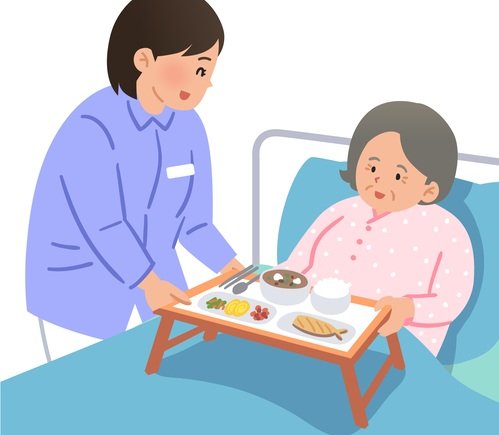
Hospice and palliative care teams, comprising doctors, nurses, social workers, therapists, volunteers, and clergy, work collaboratively to ensure patients nearing the end of life can live their remaining time with comfort and meaning. This holistic approach, defined by the WHO, addresses not just physical pain but also psychological, social, and spiritual suffering, focusing on the person rather than just the disease.
Music therapy is not simply a program for listening to music. It is psychotherapy that conveys emotions difficult to express in words and restores relationships.
The debate surrounding the legalization of physician-assisted death in South Korea highlights a critical societal question: are we adequately providing end-of-life care? This involves ensuring that individuals facing death have access to pain relief, emotional support, opportunities to mend relationships, and a chance to reflect on their life's meaning. Without such comprehensive care, can we truly say we offer all necessary options for the end of life?
Hospice settings facilitate profound moments of life completion, such as "living funerals" for those without family or celebrations like late birthday parties and visits from grandchildren. These events, though seemingly small, provide immense hope and a reason to live fully until the end. The sentiment often heard, "I thought I was coming here to die, but I'm leaving having lived my best life," encapsulates the essence of hospice care – not a place to await death, but a space to live the remainder of life beautifully.
Art becomes the deepest language of communication and a bridge to reconnect relationships at the end of life.
Art therapies, including music and art, play a vital role in hospice care, serving as powerful tools for emotional expression and relationship repair. Through song and painting, patients can convey complex feelings and process their life experiences, often with family involvement. These artistic expressions act as a bridge for communication and connection in the final stages of life.
Hospice and palliative care exist to alleviate this suffering together.
While the importance of hospice care is recognized, access remains a challenge, with insufficient beds and significant regional disparities. The article argues that hospice and palliative care should be considered essential healthcare and a social safety net, not an optional service. Expanding infrastructure, training professionals, and fostering a supportive public perception are crucial steps to ensure that everyone can access this vital care when needed, prioritizing the right to dignified end-of-life support over the debate on assisted death.
Are we adequately providing sufficient care to citizens facing death?
DistantNews Editorial
Originally published by Hankyoreh in Korean. Translated, summarized, and contextualized by our editorial team with added local perspective. Read our editorial standards.
More Stories


From Our Blog

What Gets Lost (and Found) When News Is Translated

The Critical Role of Diaspora Media in Global News

What Travellers Should Know About Countries with Restricted Press

A Digital Nomad's Guide to Following Local News

How the Same Story Looks Different in Different Countries
