

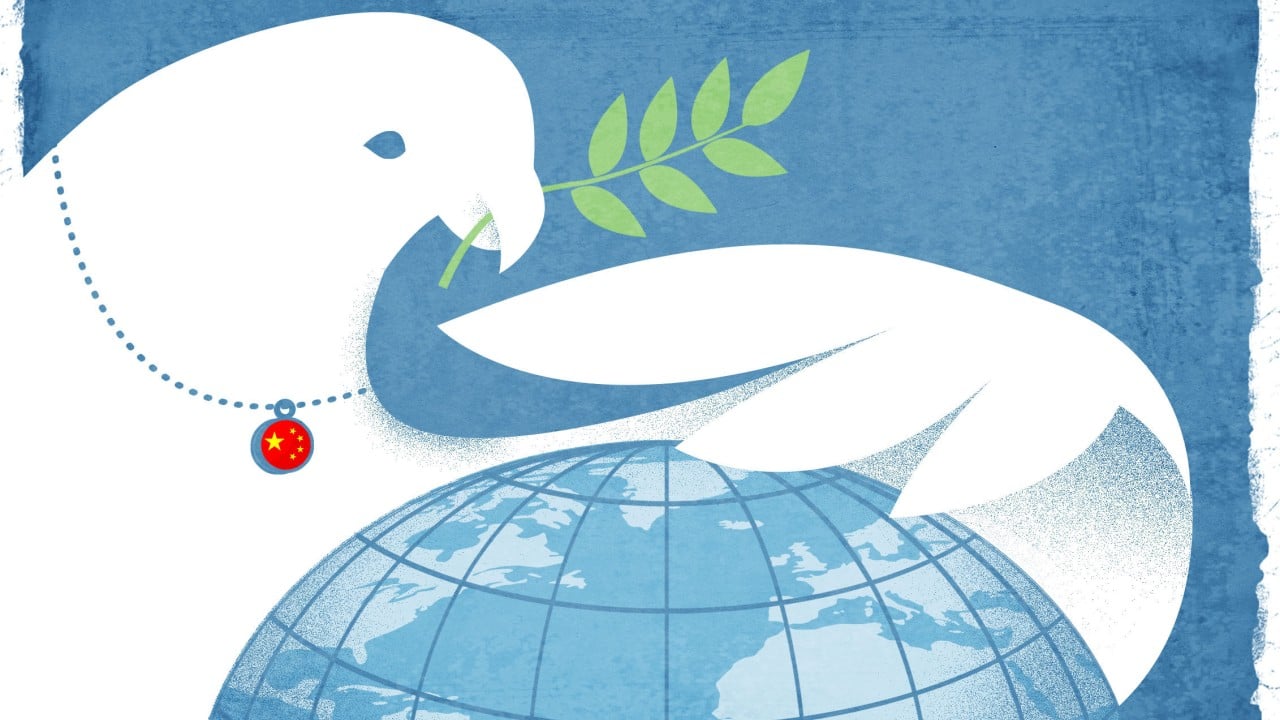
A strong China is the best hope for the ‘long peace’ to endure
Summarized and contextualized by DistantNews.
At a glance
Analysis
Sources not specified
Context piece
- The article re-examines the concept of the "long peace," originally defined as the period of stability between superpowers after WWII.
- It argues that China's peaceful rise since 1978 represents a more significant and sustained "long peace" in Chinese history.
- The author questions whether the current period of stability between China and the US can continue, impacting future global peace.
The concept of the "long peace," a term coined by Yale historian John Lewis Gaddis, typically refers to the extended period of stability between the United States and the Soviet Union following World War II, lasting into the 1980s without a direct global conflict. However, the article posits that this era was precariously balanced, marked by proxy wars and the constant threat of nuclear annihilation, making it seem more like luck than intentional stability.
Instead, the author proposes that China's peaceful rise, beginning with its "reform and opening up" policy in 1978, represents a more profound "long peace." This period of stability, lasting nearly half a century, is a rarity in Chinese history, which has historically been punctuated by cycles of dynastic change driven by peasant uprisings. Even in the early decades of the People's Republic of China, military conflicts occurred roughly once every decade.
Since 1978, China's focus has shifted decisively to economic development. This strategic priority helped the nation navigate significant diplomatic crises, such as NATO's bombing of the Chinese embassy in Yugoslavia and the 2001 Sino-US military aircraft collision in the South China Sea, without derailing its progress. This era has been characterized by unprecedented stability and prosperity within Chinese civilization.
The crucial question now is whether this sustained peace can endure. The article highlights the ongoing "long peace" between China and the United States, which has persisted since the end of the Korean War. While bilateral relations have evolved beyond the simple Cold War framework, direct conflict between the two nations has been avoided. The author notes that former US President Donald Trump's visit to Beijing marked a recognition of China as a peer power, but the potential for "constructive" strategic stability remains uncertain.
DistantNews Editorial
Originally published by South China Morning Post. Summarized and contextualized by our editorial team with added local perspective. Read our editorial standards.
More Stories



From Our Blog

Countries Without a Free Press: What You Need to Know

What Press Freedom Means for the News You Read

What Gets Lost (and Found) When News Is Translated

The Critical Role of Diaspora Media in Global News

What Travellers Should Know About Countries with Restricted Press
