


🇭🇺
Hungary
A Taste of History: Pigeon's Journey from Hungarian Tables to Near Obscurity
Translated from Hungarian, summarized and contextualized by DistantNews.
TLDR
- Pigeon was once a common ingredient in Hungarian cuisine, featured in recipes from the 16th century onwards.
- Recipes evolved from simple roasted or stewed dishes to more elaborate preparations like pâtés and stuffed pigeons.
- By the 19th century, pigeon dishes incorporated influences from French cuisine and new ingredients like truffles, though simpler, more traditional preparations also persisted.
A taste of history: Pigeon's journey from Hungarian tables to near obscurity.
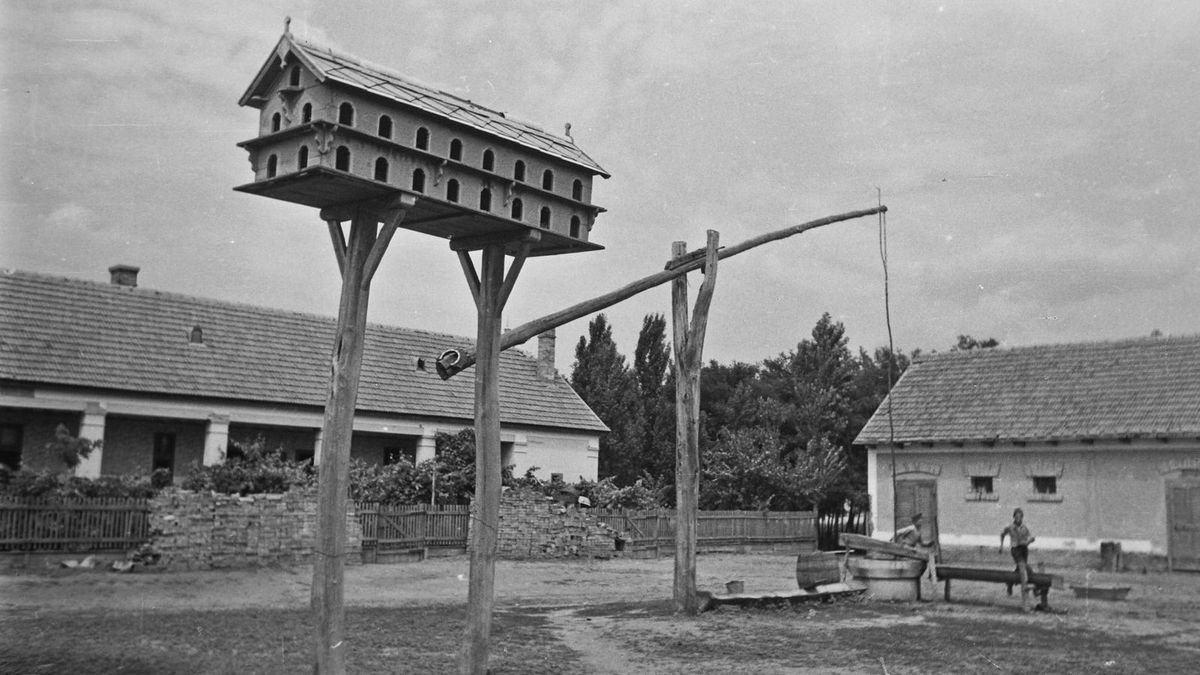
For centuries, the humble pigeon graced the tables of Hungary, a testament to its versatility and accessibility. From the straightforward roasted preparations of the 16th century, often served with a rich sauce and sometimes coated in breadcrumbs, to the more complex pâtés and stuffed birds documented in aristocratic menus, pigeon was a staple.
The evolution continued through the centuries. By the 19th century, cookbooks like Rézi néni's offered a variety of methods, including fried pigeon with peas, paprika-spiced versions, and even game-style preparations marinated in wine. The renowned Dobos C. József's Hungarian-French cookbook further expanded the repertoire, introducing French-inspired dishes featuring pigeon with green peas, olives, herbs, and even truffles for a gourmet touch.
Yet, despite this rich culinary heritage, pigeon has largely vanished from modern Hungarian kitchens. This article from Magyar Nemzet delves into the historical significance of pigeon as a food source, tracing its culinary journey and pondering its disappearance from contemporary dining. It's a reflection on how culinary traditions shift, influenced by changing tastes, availability, and perhaps a disconnect from the past. While international coverage might focus on exotic or rare ingredients, for us in Hungary, the story of pigeon is about a familiar food that has faded from view, prompting a nostalgic look back at what was once a common, yet cherished, part of our gastronomic identity.
DistantNews Editorial
Originally published by Magyar Nemzet in Hungarian. Translated, summarized, and contextualized by our editorial team with added local perspective. Read our editorial standards.
More Stories



From Our Blog

Countries Without a Free Press: What You Need to Know

What Press Freedom Means for the News You Read

What Gets Lost (and Found) When News Is Translated

The Critical Role of Diaspora Media in Global News

What Travellers Should Know About Countries with Restricted Press
