


A 'Very Vigorous Front': Report Anticipates Impact of Upcoming Storm
Translated from Spanish, summarized and contextualized by DistantNews.
At a glance
News
Sources not specified
Context piece
- Argentina's agricultural regions anticipate a break from summer crops and the start of winter sowings with minimal rainfall.
- Cold fronts are expected to bring frost to many areas, despite generally warmer temperatures in the north.
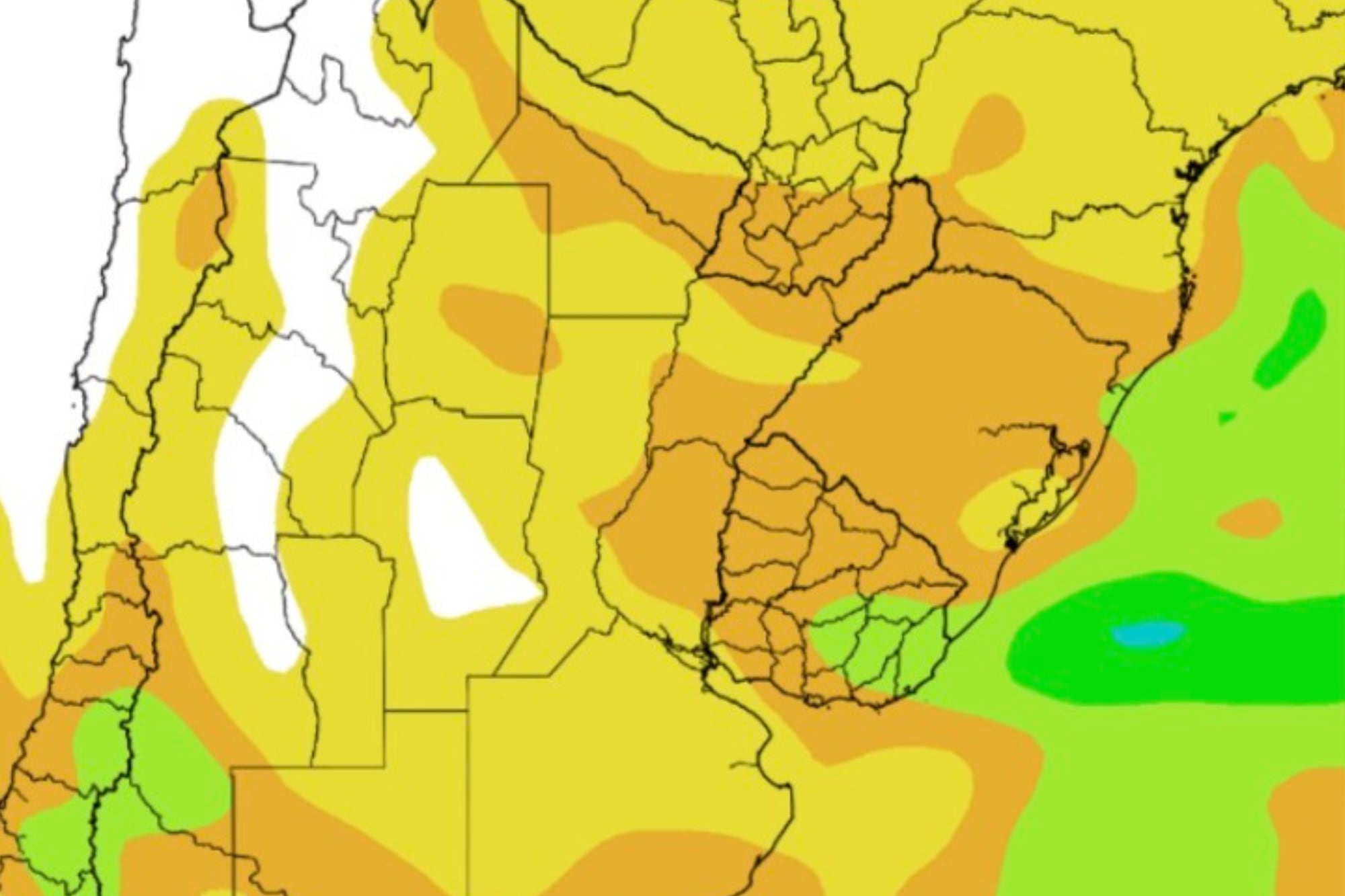
- A strong storm front is forecast, but it will likely carry little moisture, with limited precipitation expected across most of the agricultural zone.
Argentina's agricultural heartland is bracing for a shift in weather patterns as summer crops conclude and winter planting begins. While a respite from significant rainfall is anticipated across much of the productive region, the incoming weather systems bring a mixed bag of conditions.
Temperatures are expected to be elevated in the northern parts of the country, with highs potentially exceeding 25°C in some areas during the first week of June. However, more moderate readings will be observed in the central and southern zones, and frost is a distinct possibility as cold air masses advance.
The most notable weather event on the horizon is a powerful storm front. Despite its vigor, the system is predicted to encounter dry atmospheric conditions, limiting rainfall to less than 10 millimeters in most agricultural areas. Some localized areas, particularly in southeastern Uruguay and southwestern Cuyo, might see accumulations exceeding 25 millimeters, with more substantial precipitation expected along the Southern Andes.
This incoming front will also usher in a mass of polar air, increasing the likelihood of frosts across large swathes of the agricultural west. Localized frosts are also possible in eastern Buenos Aires, parts of the central and southern Mesopotamia, and significant areas of Uruguay. The forecast for the following week suggests a continuation of similar patterns, with tropical winds returning to the north and more moderate temperatures.
DistantNews Editorial
Originally published by La Nación in Spanish. Translated, summarized, and contextualized by our editorial team with added local perspective. Read our editorial standards.
More Stories



From Our Blog

What Gets Lost (and Found) When News Is Translated

The Critical Role of Diaspora Media in Global News

What Travellers Should Know About Countries with Restricted Press

A Digital Nomad's Guide to Following Local News

How the Same Story Looks Different in Different Countries
