


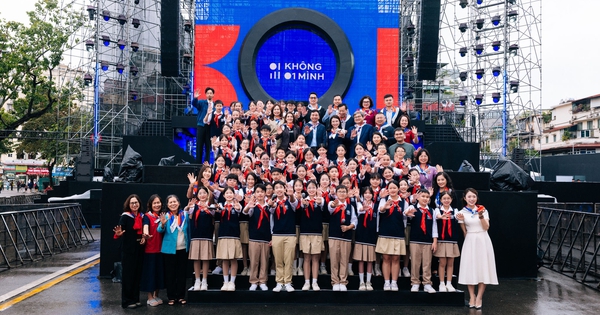

A05 deputy chief: KOL work has become a profession with legal and social responsibilities
Translated from Vietnamese and summarized by DistantNews. Read the original for the full story.
At a glance
News
Named sources
Context piece
- Nguyễn Hồng Quân, deputy head of Vietnam’s A05 cybersecurity department, said digital influence has become an issue for the wider ecosystem, not just individual creators.
- He pointed to generative AI, new legal requirements and changing public expectations as three major shifts facing content creators.
- Quân said credibility and responsibility now matter more than audience reach alone, making trust a central asset for KOLs.
Digital influence is no longer merely a creator’s personal asset, Nguyễn Hồng Quân, deputy head of Vietnam’s Cybersecurity and High-Tech Crime Prevention Department, told the second National KOL Summit in Ho Chi Minh City.
“The presence of so many artists and KOLs shows that digital influence is no longer just a matter for creators, but has become an issue for the entire ecosystem and the future of this profession,” Quân said at the Sept. 7 conference. He framed the gathering around the theme “KOLs on the journey to building digital trust” and the message “Viral with conscience, influence with reach.”
The presence of so many artists and KOLs shows that digital influence is no longer just a matter for creators, but has become an issue for the entire ecosystem and the future of this profession.
Quân said Vietnam’s content-creator community is expanding rapidly and contributing more visibly to the digital economy and social life. He identified three fundamental changes. The first is technology. Generative artificial intelligence can now produce a script, image, voice or even a complete video in almost no time. That creates unprecedented productivity, he said, but also raises questions about the creator’s role and who bears final responsibility when machines produce content.
Today we are not only discussing creativity, but discussing how to turn influence into a national asset.
The second change is legal. Amendments to the Advertising Law took effect on Jan. 1, 2026, and for the first time clearly defined the responsibility of people who convey advertising products. The Personal Data Protection Law, also effective from Jan. 1, introduced new requirements for collecting and using followers’ data. The 2025 Cybersecurity Law, effective July 1, further defined the responsibilities of actors in cyberspace, including digital platforms and content creators.
These changes show that the state now views KOL activity as a genuine profession that requires protection and conditions for development, Quân said. The third shift concerns social expectations. Brands, platforms and audiences are moving from measuring reach to measuring credibility and responsibility. Millions of followers have little value if trust disappears, while sustained digital trust can turn influence into something durable and meaningful.
That is the difference between ‘viral’ and ‘influence.’
“That is the difference between ‘viral’ and ‘influence,’” Quân said. “Trust is becoming the most important asset for people working in the creative profession.”
Trust is becoming the most important asset for people working in the creative profession.
About this summary
Originally published by Tuổi Trẻ in Vietnamese. Translated, summarized, and contextualized automatically by DistantNews, with a note on how the source frames the story. Not individually reviewed before publishing. How this works.
More Stories


From Our Blog

News in Translation: What Gets Lost, and How We Keep the Framing

Diaspora Media: How Communities Follow News From Home

Traveling Where the Press Is Not Free: How to Read the News There

The Digital Nomad's Guide to Local News

The Same Story, Different Countries: How Coverage Changes at the Border
