

Abolition of AUKU to spur higher education reform
Translated from Malay, summarized and contextualized by DistantNews.
At a glance
News
Named sources
Context piece
- The abolition of the Universities and University Colleges Act 1971 (AUKU) is seen as a catalyst for comprehensive higher education reform in Malaysia.
- Youth wing chief Muhammad Kamil Abdul Munim stated that AUKU's repeal is a significant victory for the student movement's long-standing demand for greater campus freedom and respect for students.
- He emphasized that universities should foster critical thinking and responsible debate, not just obedience, and called for continued political courage and support for institutional reforms.
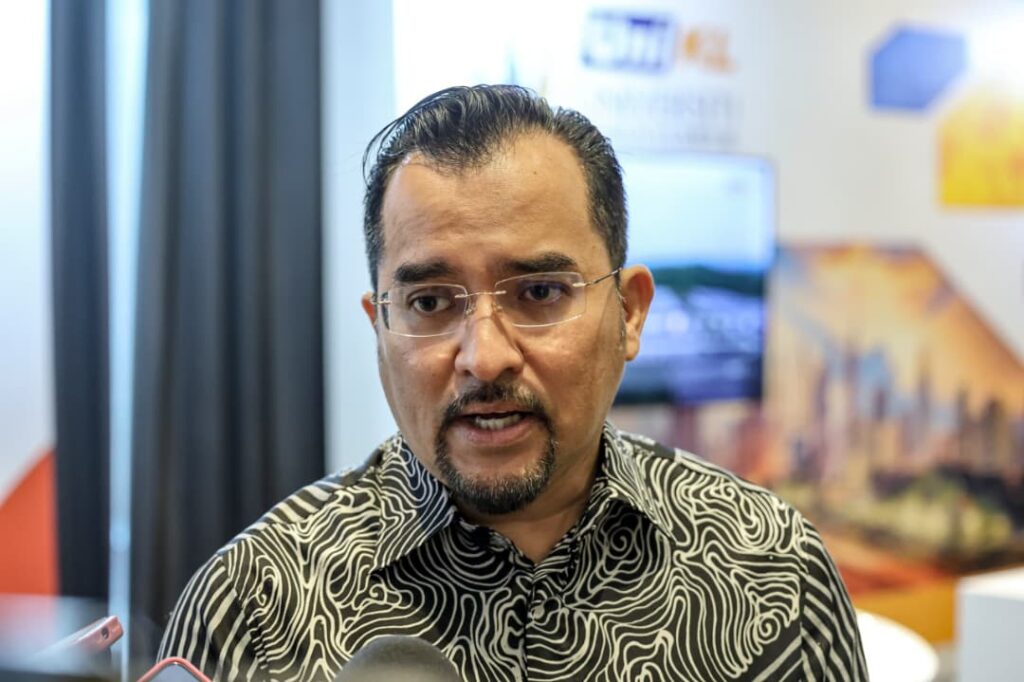
The recent abolition of Malaysia's Universities and University Colleges Act 1971 (AUKU) is poised to be a catalyst for broader reforms in higher education, aiming to strengthen university autonomy and student freedom. Muhammad Kamil Abdul Munim, chief of Angkatan Muda Keadilan (AMK), hailed the repeal as a crucial victory for the student movement, which has long advocated for more democratic and liberated campuses that respect students as adult citizens.
The abolition of AUKU is a significant victory in the long journey of the student movement that has been demanding freer, more democratic campuses that respect students as adult citizens for decades.
According to Kamil, the Prime Minister's announcement is more than just an administrative decision; it marks a significant development in the ongoing struggle of the Malaysian student movement. He noted that the history of student activism is intertwined with societal changes, with students proving themselves to be the conscience of society since the late 1960s and early 1970s by addressing issues of poverty, social injustice, and the plight of ordinary citizens.
Kamil highlighted that AUKU and various restrictions had progressively limited student activism and their engagement in public discourse. Generations of student activists have persistently demanded greater freedom for students, democratization of campuses, and the restoration of universities as spaces for intellectual growth and courage. The government's decision to move towards abolishing AUKU acknowledges that students should not be molded by fear and excessive control.
The history of the student movement in the country has never been separated from the pulse of societal change.
He stressed that universities must empower students to think, debate, hold differing views, criticize, and offer solutions to the nation. However, Kamil also cautioned that university freedom does not equate to freedom without responsibility. Mature universities should manage differing opinions through knowledge, argument, and dialogue, fostering a generation that questions norms and defends truth responsibly, rather than one that merely complies.
The government's decision to move towards abolishing AUKU must be seen in the context of this long struggle. It recognizes that students should not be shaped through a culture of fear and excessive control. Students must be trusted to think, debate, hold different views, criticize, and offer solutions to the country.
AMK urges students and Malaysian youth to view this development as proof that reforms require political courage, patience, and support to translate into tangible change. They call for continued backing of Prime Minister Anwar Ibrahim's administration to advance the long-sought agenda of institutional reform, emphasizing that reform is an ongoing process requiring sustained effort and the active participation of students as key drivers.
University freedom does not mean freedom without responsibility; rather, mature universities must be able to manage differences of opinion through knowledge, argument, and dialogue.
DistantNews Editorial
Originally published by Utusan Malaysia in Malay. Translated, summarized, and contextualized by our editorial team with added local perspective. Read our editorial standards.
More Stories


From Our Blog

What Gets Lost (and Found) When News Is Translated

The Critical Role of Diaspora Media in Global News

What Travellers Should Know About Countries with Restricted Press

A Digital Nomad's Guide to Following Local News

How the Same Story Looks Different in Different Countries
