


Academic Certificates Don't Guarantee Good Leadership, Nigerian Politician Defends Tinubu
Translated from English, summarized and contextualized by DistantNews.
At a glance
Interview
Named sources
Context piece
- A Nigerian politician argued that academic certificates do not solely determine leadership quality, emphasizing competence and integrity instead.
- He stated that focusing on qualifications distracts from evaluating leaders based on their performance and vision.
- The politician cited historical figures like Abraham Lincoln and Benjamin Franklin as examples of successful leaders with limited formal education.
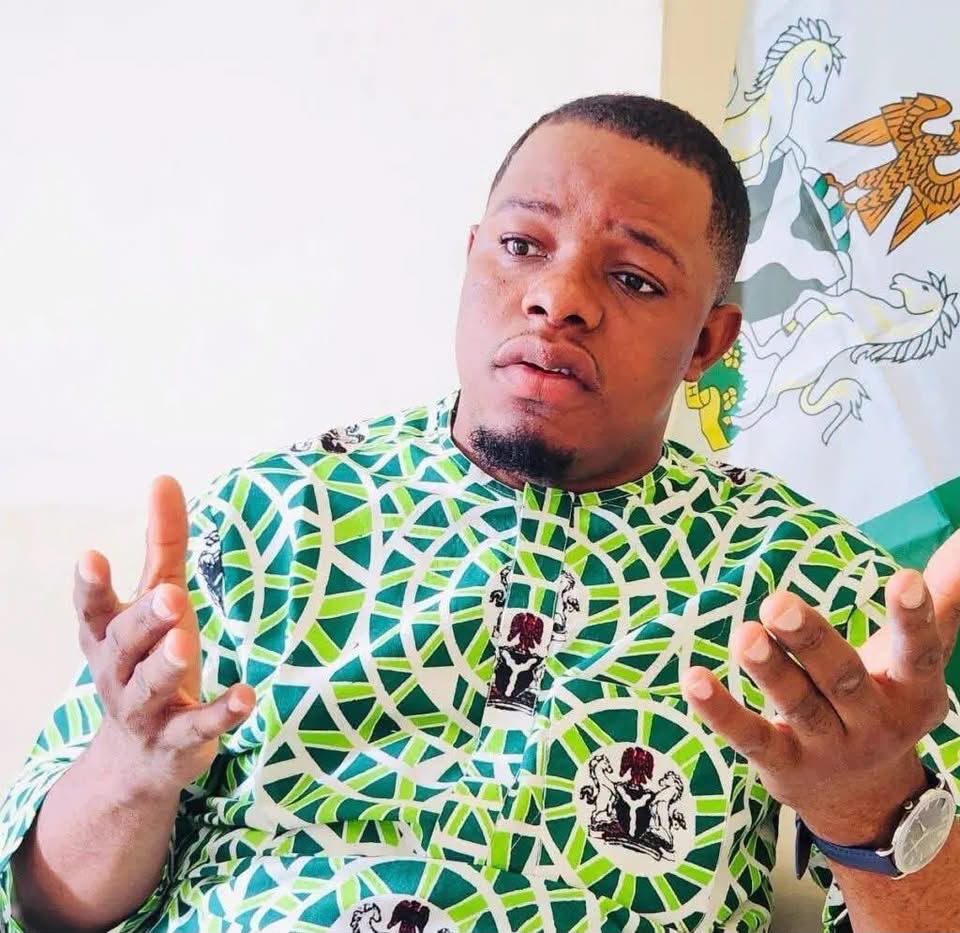
Nigerians should look beyond academic certificates when evaluating leaders, focusing instead on competence, vision, integrity, and measurable performance, argued Hon. Obidike Chukwuebuka, a chieftain of the All Progressives Congress (APC). In an interview with Vanguard, Obidike stressed that while formal education is important for development, it should not be the sole criterion for assessing a leader's ability to govern effectively.
Obidike expressed concern that Nigeria's "growing obsession with paper qualifications" overshadows practical skills, innovation, and leadership capacity. He asserted that certificates do not build infrastructure, attract investment, create jobs, stabilize the economy, provide security, or improve citizens' welfare. These achievements, he said, stem from competence, sound judgment, discipline, integrity, and the courage to make difficult decisions.
certificates do not build roads, attract investment, create jobs, stabilise the economy, provide security or improve citizens’ welfare.
Addressing controversies surrounding President Bola Tinubu's academic credentials, Obidike defended the president, stating that Tinubu possesses qualifications recognized under Nigerian law. He described those questioning Tinubu's background as unable to match his intellectual depth, political experience, or strategic thinking, calling the issue unnecessarily politicized. Obidike characterized Tinubu as one of Nigeria's most intellectually gifted politicians.
To support his argument, Obidike referenced historical figures who achieved greatness despite limited formal schooling. He cited Abraham Lincoln, who had less than a year of formal education but became one of America's greatest presidents through self-study. Harry S. Truman, Benjamin Franklin, and Thomas Edison were also mentioned as examples of influential leaders and innovators who excelled through self-education and practical experience, underscoring Obidike's point that formal education is not the only path to impactful leadership.
These are achieved through competence, vision, sound judgment, discipline, integrity and the courage to take difficult but necessary decisions.
DistantNews Editorial
Originally published by Vanguard in English. Translated, summarized, and contextualized by our editorial team with added local perspective. Read our editorial standards.
More Stories


From Our Blog

How the Same Story Looks Different in Different Countries

What Gets Lost (and Found) When News Is Translated

The Critical Role of Diaspora Media in Global News

What Travellers Should Know About Countries with Restricted Press

A Digital Nomad's Guide to Following Local News
