


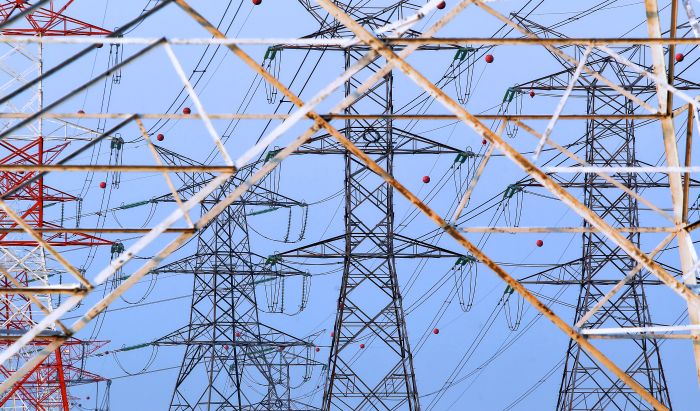
Address the Silent Energy Crisis
Translated from Malay, summarized and contextualized by DistantNews.
TLDR
- Global electricity demand is projected to rise significantly, driven by data centers, industrial growth, and digitalization, with Malaysia facing similar pressures due to AI and the digital economy.
- Malaysia's energy security is challenged by its heavy reliance on imported fossil fuels, making it vulnerable to price fluctuations and currency exchange rates.
- The article discusses the potential role of nuclear energy, acknowledging its benefits but also the significant considerations required, advocating for a phased, evidence-based approach to its evaluation.
The International Energy Agency (IEA) forecasts a robust increase in global electricity demand through 2026, a trend Malaysia cannot ignore. The burgeoning fields of artificial intelligence, the expansion of the digital economy, and the proliferation of data centers are placing unprecedented strain on our need for stable electricity supplies. Tenaga Nasional Berhad (TNB) reports that nine data center power supply projects were completed in 2024 alone, demanding a staggering 1,236 megawatts. This signifies a shift from linear growth to a more intensive and large-scale demand.
Our current energy generation structure remains heavily dependent on fossil fuels. Official reports indicate that roughly half of Malaysia's electricity generation relies on imported coal and natural gas. This reliance exposes our economy to the volatility of global prices and foreign exchange rates, transforming energy sufficiency into a critical issue of national economic resilience.
Globally, nuclear power is increasingly considered alongside gas and renewables as a response to rising electricity consumption. For energy systems demanding stable, low-carbon baseload power, nuclear energy presents a compelling long-term option. However, it is not a simple solution. The high initial investment costs, stringent regulatory requirements, radioactive waste management, physical security, and public acceptance all demand meticulous consideration. Therefore, discussions surrounding nuclear power must be objective and evidence-based, framed within the context of long-term national interest, rather than driven by rhetoric or emotion.
The Malaysian government is cautiously evaluating the development of nuclear energy in phases, prioritizing comprehensive technical analysis and alignment with national priorities. Recent tender documents from TNB Research in 2024 reveal efforts to assess site suitability for Small Modular Reactors (SMRs) in Peninsular Malaysia. While this does not signal a final decision, it indicates that nuclear energy is moving from the periphery to a more serious consideration in national energy planning. A phased approach, continuous feasibility assessments, building local capacity, and enhancing public understanding are crucial to ensure that discussions about nuclear power are informed, avoiding extremes of outdated fears or premature confidence.
DistantNews Editorial
Originally published by Utusan Malaysia in Malay. Translated, summarized, and contextualized by our editorial team with added local perspective. Read our editorial standards.
More Stories


From Our Blog

What Gets Lost (and Found) When News Is Translated

The Critical Role of Diaspora Media in Global News

What Travellers Should Know About Countries with Restricted Press

A Digital Nomad's Guide to Following Local News

How the Same Story Looks Different in Different Countries
