


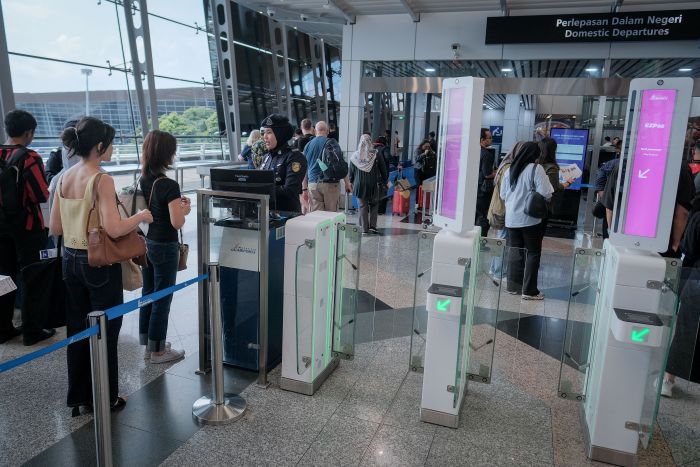
Advanced Systems Fail: How Smuggling Persists at KLIA
Translated from Malay, summarized and contextualized by DistantNews.
At a glance
Analysis
Sources not specified
Context piece
- A Malaysian Airlines pilot's arrest in Indonesia for alleged drug smuggling has raised questions about Malaysia's aviation security.
- Despite modern technology like AI baggage scanners and integrated immigration systems, smuggling activities continue to bypass security at Kuala Lumpur International Airport (KLIA).
- The article questions whether human error, exploitation of system weaknesses, or internal collusion is responsible for these security breaches.
The recent arrest of a Malaysia Airlines pilot in Indonesia on drug smuggling charges has cast a shadow over Malaysia's aviation security, prompting serious questions about how such illicit activities can persist despite the nation's advanced systems.
Malaysia boasts high-standard airport security facilities, including Artificial Intelligence (AI) baggage scanners, the Integrated Immigration System (MyNIISe), and sophisticated Baggage Handling Systems (BHS). Kuala Lumpur International Airport (KLIA) itself is recognized globally, reflecting pride in the country's infrastructure and management. However, the effectiveness of this technology is undermined if human weaknesses or systemic loopholes can be exploited.
Concerns are mounting as multiple agencies, including the Ministry of Transport, Ministry of Home Affairs, Royal Malaysia Police (PDRM), Malaysian Border Control Agency (AKPS), Immigration Department, Customs, airport management, and airlines, are all involved in oversight. Yet, weaknesses persist, allowing certain activities to slip through monitoring.
The article suggests that a comprehensive investigation, potentially involving the Malaysian Anti-Corruption Commission (SPRM), is necessary. It calls for looking beyond individual or agency failures to consider the possibility of insider involvement, abuse of power, or procedural flaws that facilitate corruption and smuggling. The threat posed by "insiders" with legitimate access to operational areas is identified as a significant challenge, capable of breaching even the most advanced security measures. The investigation must scrutinize potential weaknesses in screening processes, staff monitoring, access control, SOP compliance, and integrity failures among those in positions of authority.
DistantNews Editorial
Originally published by Utusan Malaysia in Malay. Translated, summarized, and contextualized by our editorial team with added local perspective. Read our editorial standards.
More Stories



From Our Blog

What Gets Lost (and Found) When News Is Translated

The Critical Role of Diaspora Media in Global News

What Travellers Should Know About Countries with Restricted Press

A Digital Nomad's Guide to Following Local News

How the Same Story Looks Different in Different Countries
