


AfD wins Saxony-Anhalt election as pro-Russian BSW also enters parliament
Translated from Latvian and summarized by DistantNews. Read the original for the full story.
At a glance
News
Named sources
Outcome reported
- The AfD won 43.8% of the vote and 39 of 83 seats in Saxony-Anhalt, three short of an absolute majority.
- The CDU finished second with 17.2%, while the SPD, Greens, Die Linke and BSW also entered the state parliament; the FDP fell below the 5% threshold.
- Traditional parties rejected cooperation with the AfD, but BSW leader Thomas Schulze said his party was open to talks, particularly over shared opposition to Russia sanctions.
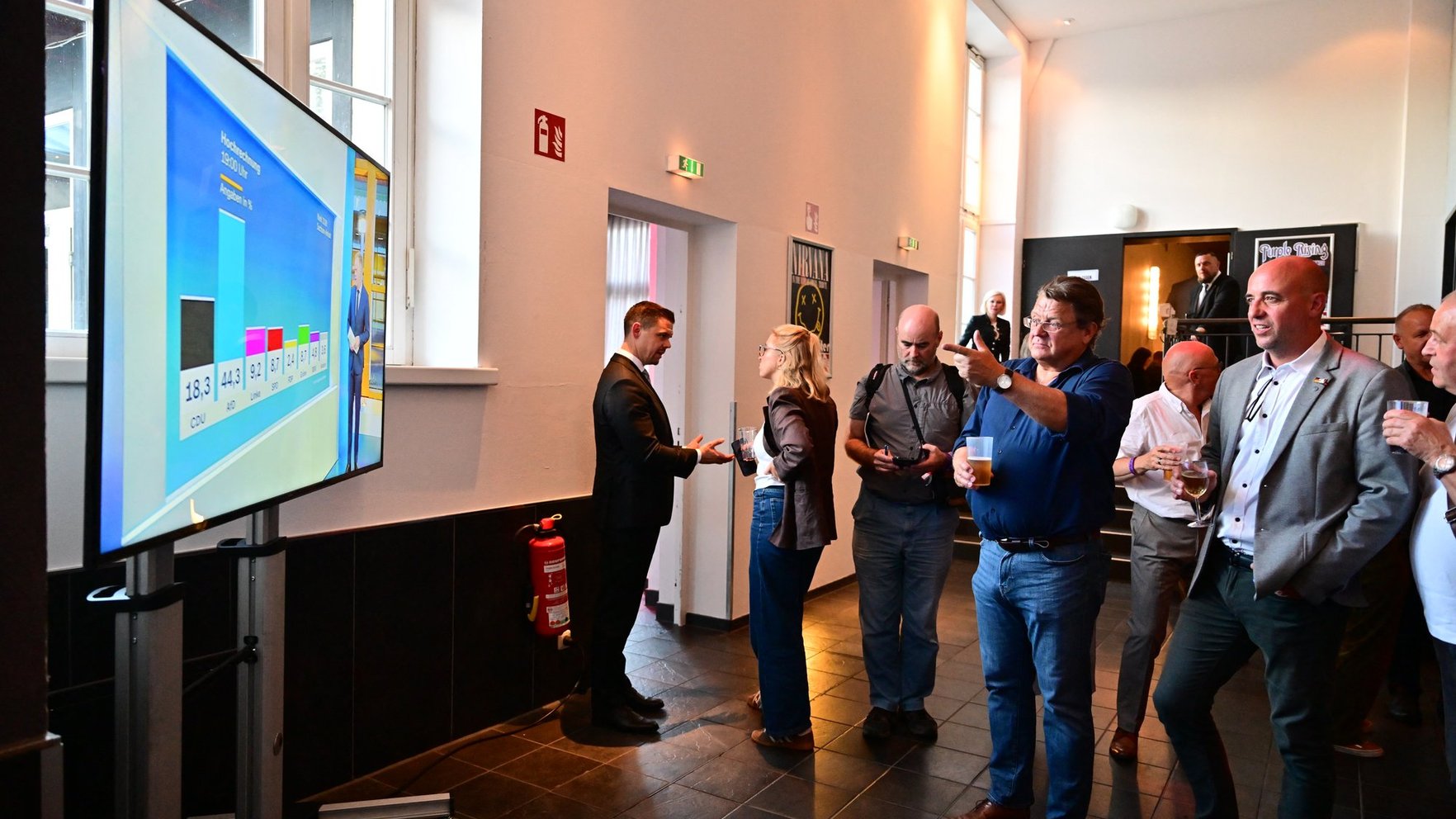
The Alternative for Germany, or AfD, won a decisive victory in Saxony-Anhalt, taking 43.8% of the vote. Yet the right-wing eurosceptic party still fell three seats short of an absolute majority in the 83-seat state parliament.
The CDU, represented by outgoing state premier Sven Schulze, received 17.2%. The SPD won 9.3%, while the Greens and Die Linke took 8.9% and 8.6%. Sahra Wagenknecht’s BSW narrowly cleared the 5% threshold with 5.3%, securing five seats. The FDP, previously part of the governing coalition, won 2.6% and will leave the regional parliament.
The AfD’s strength was particularly clear in constituency results. It won 38 of 41 constituencies, compared with just one in the 2021 state election. CDU candidates won none. Voter turnout reached 78%, the highest recorded in Saxony-Anhalt since German reunification in 1990.
We oppose these sanctions against Russia, which are truly damaging our economy.
AfD co-leader Tino Chrupalla said the party’s lead candidate, Ulrich Siegmund, would seek to form the next state government. However, the next premier remains uncertain because all traditional parties have firmly rejected cooperation with the AfD.
BSW lead candidate Thomas Schulze said his party was open to talks with the AfD. He said the two parties agreed on some issues, especially their approach to Russia. “We oppose these sanctions against Russia, which are truly damaging our economy,” he told DPA. BSW founder Sahra Wagenknecht called for a “new political beginning” and said the party should use its influence to change energy policy, end Russia sanctions, improve education and fundamentally reform public broadcasting.
A new political beginning.
About this summary
Originally published by Delfi Latvia in Latvian. Translated, summarized, and contextualized automatically by DistantNews, with a note on how the source frames the story. Not individually reviewed before publishing. How this works.
More Stories


From Our Blog

News in Translation: What Gets Lost, and How We Keep the Framing

Diaspora Media: How Communities Follow News From Home

Traveling Where the Press Is Not Free: How to Read the News There

The Digital Nomad's Guide to Local News

The Same Story, Different Countries: How Coverage Changes at the Border
