

Africa Faces Severe Water Crisis: Over 400 Million Lack Drinking Water Access
Translated from Turkish, summarized and contextualized by DistantNews.
At a glance
News
Named sources
Context piece
- Over 400 million people in Africa lack access to drinking water, highlighting a severe water crisis.
- Chadian President Mahamat Idriss Déby Itno called for a transition from assessment to concrete project implementation.
- The Africa Water Forum, supported by the World Bank, aims to develop shared solutions for water security and management across the continent.
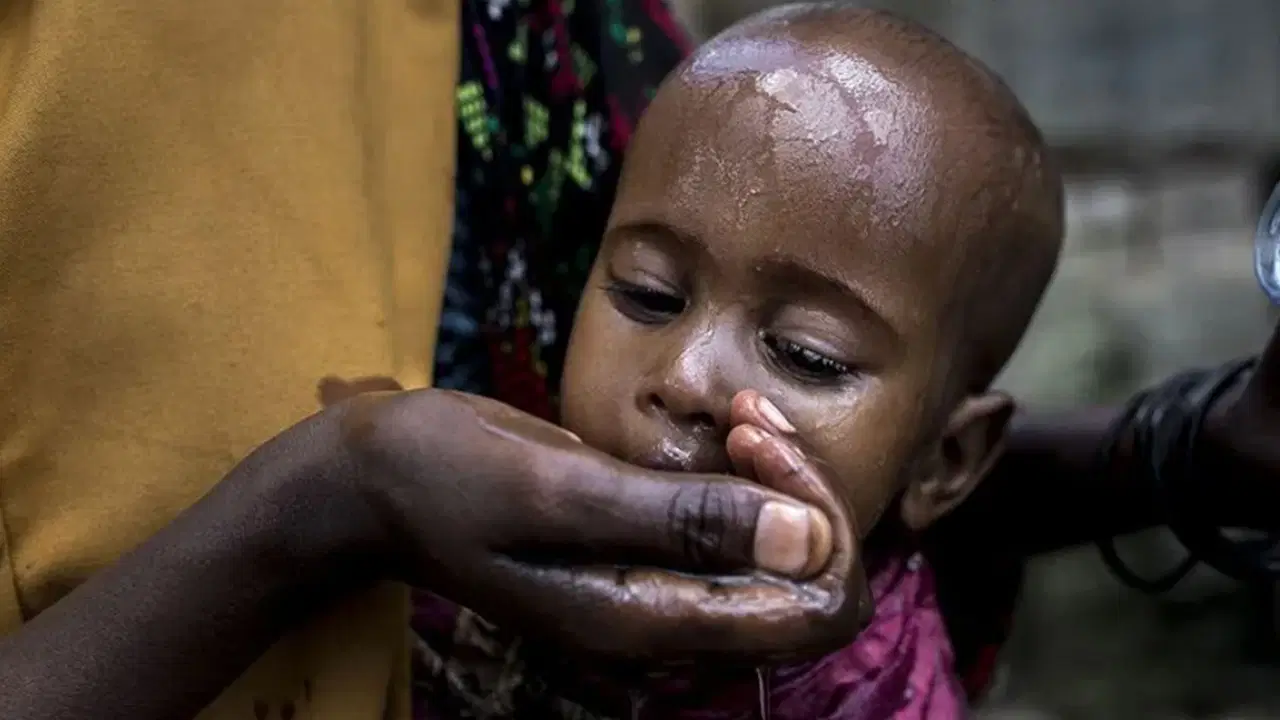
The African continent faces a critical water crisis, with over 400 million people still lacking access to safe drinking water. Chadian President Mahamat Idriss Déby Itno emphasized this challenge at the opening of the Africa Water Forum, urging a shift from assessment phases to the implementation of concrete projects.
President Déby Itno stressed that water is a fundamental human right, not a commercial product or a luxury. He highlighted water as a priority issue in Chad, where the "Chad Water Pact" anticipates a financing need of approximately $3.8 billion over the next five years, with 20% to be sourced domestically. This underscores the scale of investment required to address water scarcity.
Water is not a commercial product or a luxury, but a fundamental right.
The Africa Water Forum, held in N'Djamena, Chad, and supported by the World Bank, is a two-day event designed to foster collaborative solutions for water security and management. It brings together government officials, representatives from regional and international organizations, and experts to discuss challenges arising from climate change, population growth, and increasing water demand.
The forum aims to promote more effective water resource management in Africa and encourage investment in sustainable development projects. By addressing these issues, the initiative seeks to improve access to water and contribute to the continent's overall development and resilience.
Chad Water Pact
DistantNews Editorial
Originally published by Cumhuriyet in Turkish. Translated, summarized, and contextualized by our editorial team with added local perspective. Read our editorial standards.
More Stories

From Our Blog

What Gets Lost (and Found) When News Is Translated

The Critical Role of Diaspora Media in Global News

What Travellers Should Know About Countries with Restricted Press

A Digital Nomad's Guide to Following Local News

How the Same Story Looks Different in Different Countries
