


Agentic AI: the next battleground for Chinese brands
Summarized and contextualized by DistantNews.
At a glance
News
Named sources
Context piece
- Chinese brands must adapt to a new marketing landscape dominated by AI agents, not just social media.
- These AI agents act as personal concierges, influencing consumer choices based on deep user understanding.
- Brands face a challenge in regaining influence as AI agents increasingly shape purchasing decisions, a concern raised at the Cannes Lions festival.
Chinese companies, having mastered social media marketing, now face a new frontier: winning the trust of artificial intelligence (AI) agents. These agents are poised to become powerful gatekeepers, increasingly shaping what consumers discover, consider, and ultimately purchase.
AI agents function as personal concierges, autonomously selecting destinations, booking travel, and making reservations based on a user's unique tastes, values, and lifestyle. This represents a significant leap from generative AI, embedding commerce directly into the user experience. As consumers grow weary of endless click-throughs, they are turning to AI agents for curated recommendations, diminishing the direct influence brands once held.
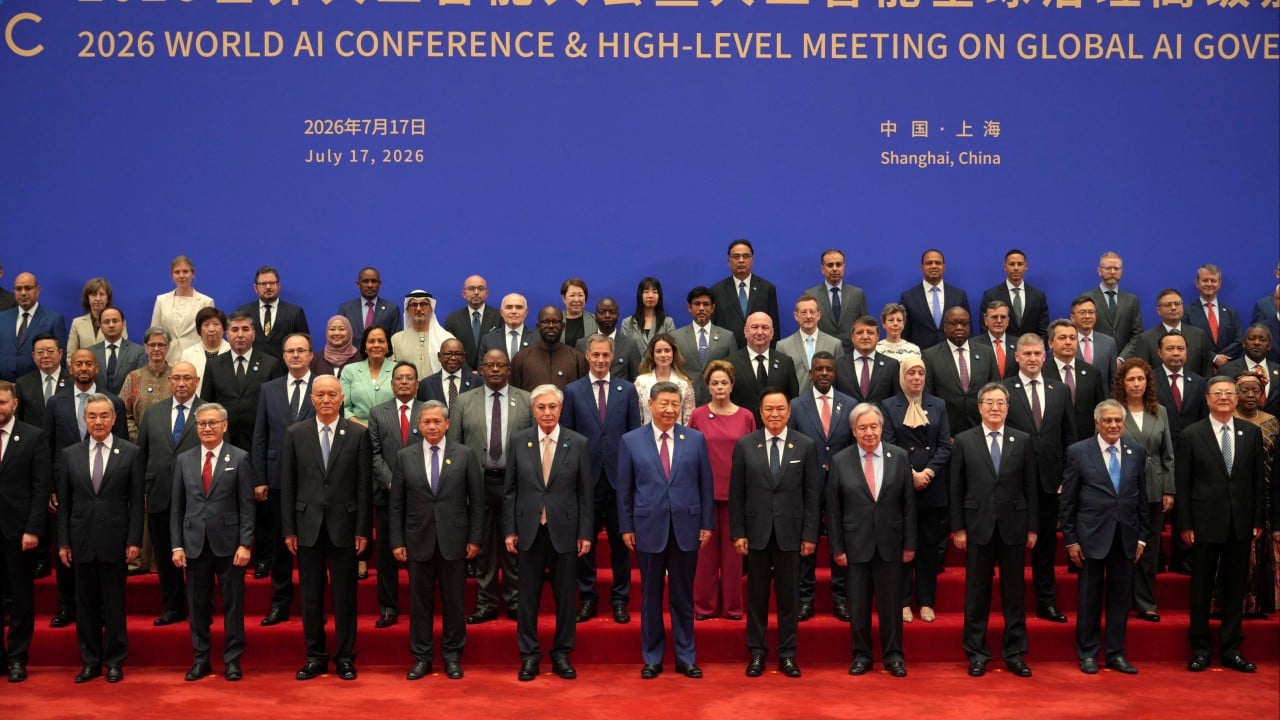
This shift was a key topic of discussion among marketing executives and business leaders at the recent Cannes Lions festival. Speakers highlighted that brand identity is increasingly being shaped not by marketers, but by what AI agents generate and reinforce, often without the companies' awareness. The central challenge for brands is how to regain control in this evolving landscape.
Strategies for navigating this agentic AI environment differ significantly from those used for social media engagement and search engine optimization. Much remains unknown about consumer behavior towards AI agents, including when and why they resist or embrace them. The deployment of these agents also raises complex issues related to security risks, privacy safeguards, and the potential for unintentional harm.
Furthermore, cognitive shortfalls and cultural biases within AI agents pose significant challenges. Concerns have been raised about the adequacy of current governance frameworks to counter misinformation, address inherent biases, or prevent transactional hijacking by these agents. For Chinese brands, adapting to this new paradigm is crucial for maintaining relevance and influence in the global marketplace.
DistantNews Editorial
Originally published by South China Morning Post. Summarized and contextualized by our editorial team with added local perspective. Read our editorial standards.
More Stories


From Our Blog

Countries Without a Free Press: What You Need to Know

What Press Freedom Means for the News You Read

What Gets Lost (and Found) When News Is Translated

The Critical Role of Diaspora Media in Global News

What Travellers Should Know About Countries with Restricted Press
