



AI Data Centers: A New Source of Carbon Emissions?
Translated from Korean, summarized and contextualized by DistantNews.
At a glance
News
Named sources
Context piece
- AI data centers, essential for the AI era, require vast amounts of electricity and computing resources, including GPUs and cooling infrastructure.
- Global AI data center electricity consumption is rising rapidly, with projections indicating a threefold increase by 2030, potentially becoming a major source of greenhouse gas emissions.
- Countries and companies are exploring solutions like renewable energy, stricter efficiency standards, and even nuclear power to manage the energy demands and carbon footprint of AI data centers.
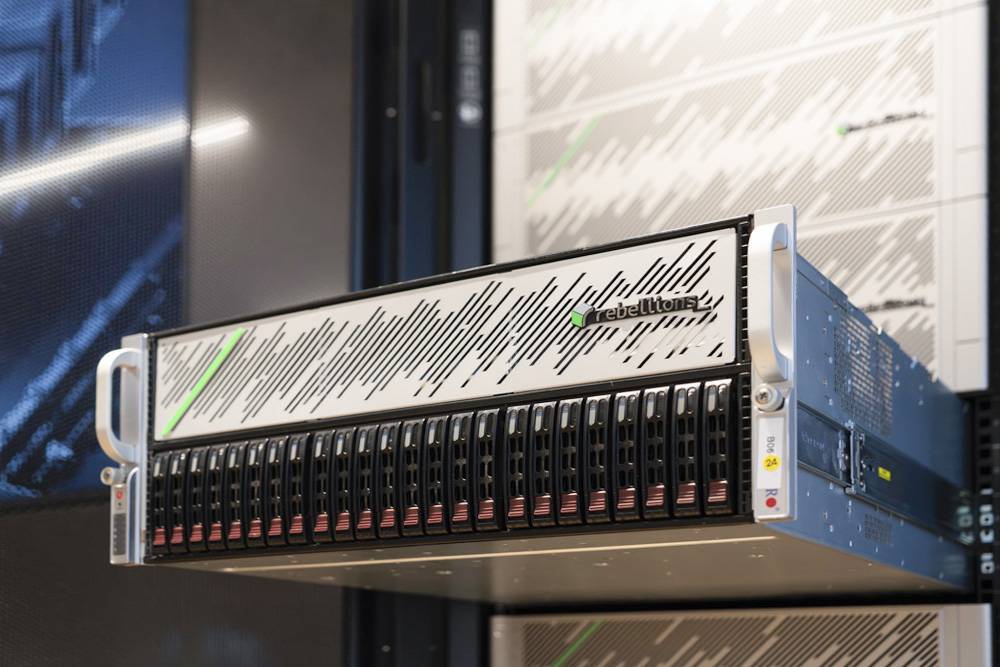
AI data centers are the backbone of the artificial intelligence era, housing the immense computing power needed for AI to learn and operate. These facilities require tens of thousands of GPUs, extensive network infrastructure, and sophisticated cooling systems, all consolidated in one location.
AI data centers are the backbone of the artificial intelligence era, housing the immense computing power needed for AI to learn and operate.
South Korea is experiencing a surge in AI data center development, with major companies like SK Telecom partnering with AWS for new centers and Samsung Electronics planning its own facilities. However, these centers are notoriously power-hungry, earning them the nickname 'electricity-eating hippos.' This demand is driving a global race for power, alongside urgent considerations for carbon reduction.
Globally, AI data centers consumed an estimated 448 terawatt-hours (TWh) of electricity in the past year, comparable to the total consumption of countries like Saudi Arabia or France. The International Energy Agency (IEA) forecasts this demand could nearly triple by 2030. This rapid expansion poses a significant challenge to carbon emission reduction goals, as the need for immediate, large-scale power often leads to reliance on fossil fuels rather than nascent renewable energy sources.
Data centers are notoriously power-hungry, earning them the nickname 'electricity-eating hippos.'
Companies like Google have reportedly pursued partnerships with natural gas power plants to secure energy for their data centers, raising concerns about their commitment to clean energy. The IEA warns that data center emissions could more than double by 2030, making them one of the fastest-growing sources of greenhouse gases worldwide.
AI data center electricity demand could nearly triple by 2030.
In response, international bodies and nations are seeking ways to balance power needs with sustainability. The European Union is proposing a 'Cloud and AI Act' that would incentivize the construction of high-efficiency, sustainable data centers while streamlining approval processes. The EU also plans to introduce an energy efficiency labeling system for data centers, similar to those used for appliances. China is actively investing in renewable energy sources like wind and solar power to supply its data centers, particularly in regions like Ningxia. The United States is exploring nuclear power, including extending the lifespan of existing plants and considering small modular reactors, as a potential power source for data centers.
Data center emissions could more than double by 2030, making them one of the fastest-growing sources of greenhouse gases worldwide.
DistantNews Editorial
Originally published by Dong-A Ilbo in Korean. Translated, summarized, and contextualized by our editorial team with added local perspective. Read our editorial standards.
More Stories
From Our Blog

What Gets Lost (and Found) When News Is Translated

The Critical Role of Diaspora Media in Global News

What Travellers Should Know About Countries with Restricted Press

A Digital Nomad's Guide to Following Local News

How the Same Story Looks Different in Different Countries
