

AI-powered blood test detects 90% of colorectal cancer cases
Translated from Korean and summarized by DistantNews. Read the original for the full story.
At a glance
News
Named sources
New plan
- Korean researchers have developed an AI-powered blood test capable of detecting 90% of colorectal cancer cases.
- The test shows high sensitivity for early-stage cancers, detecting 84.2% of Stage 1 cases.
- This new method could reduce the burden of traditional screenings like colonoscopies, which have low participation rates.
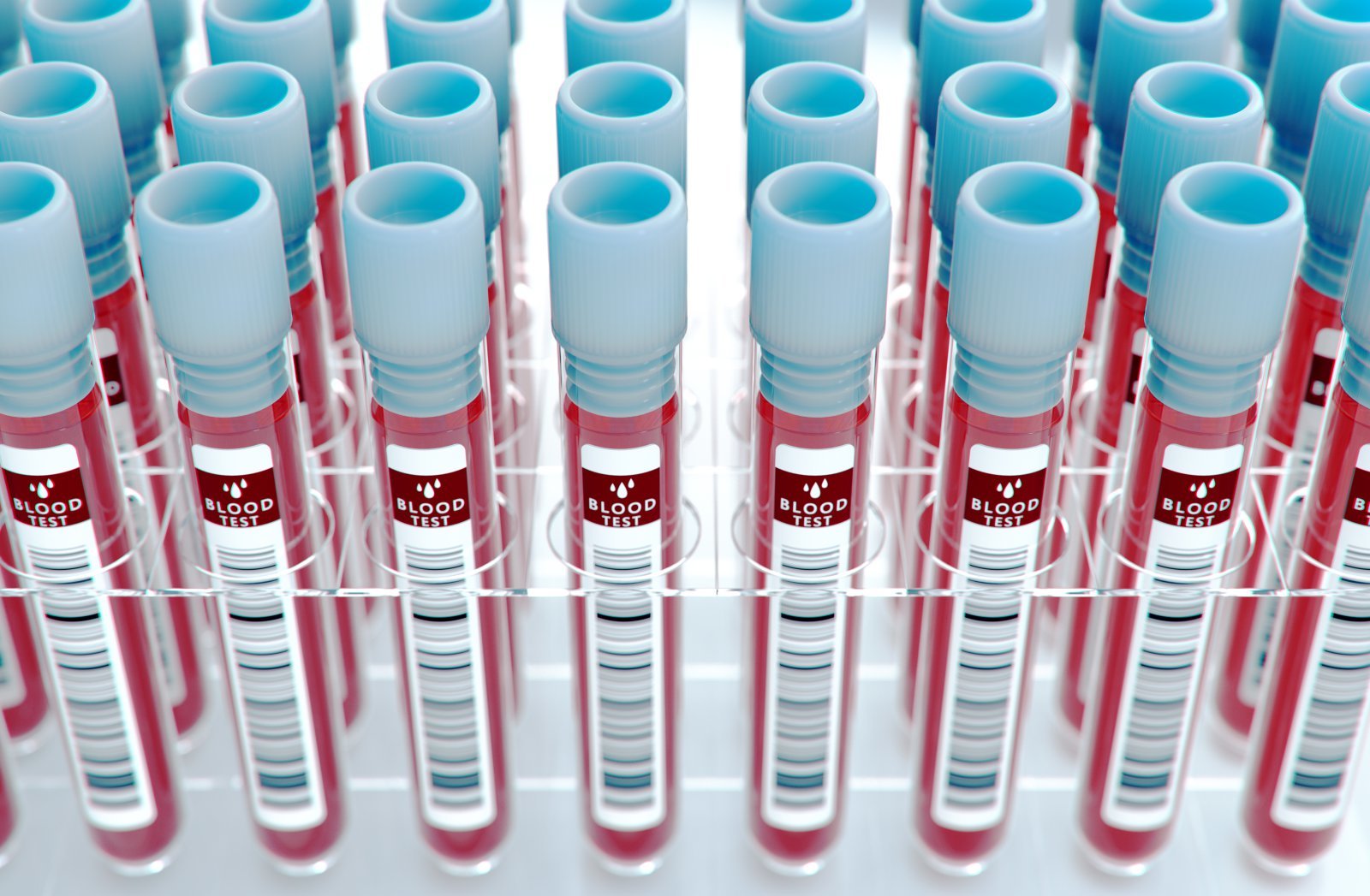
A groundbreaking blood test utilizing artificial intelligence can detect colorectal cancer with remarkable accuracy, according to a study by South Korean researchers. The test identifies 90% of colorectal cancer cases by analyzing cell-free DNA (cfDNA) in blood samples, offering a less invasive alternative to current screening methods.
Developed by a team from Asan Medical Center and GC Genome, the test demonstrated a 90.4% sensitivity rate in identifying colorectal cancer. Crucially, it also showed a high sensitivity of 84.2% for Stage 1 cancer, the earliest stage where treatment is most effective. For early-stage cancers treatable with endoscopic resection, the detection rate was 90%.
Colorectal cancer is the third most common cancer in South Korea, with over 32,000 new cases reported in 2023. Despite high survival rates when detected early, screening participation remains low due to the discomfort associated with traditional methods. The national screening program, which involves a fecal occult blood test followed by a colonoscopy if positive, had a participation rate of only 44.4% in 2025.
We have presented the possibility of conveniently screening for colorectal cancer with just a blood test, reducing the burden felt during existing screening processes.
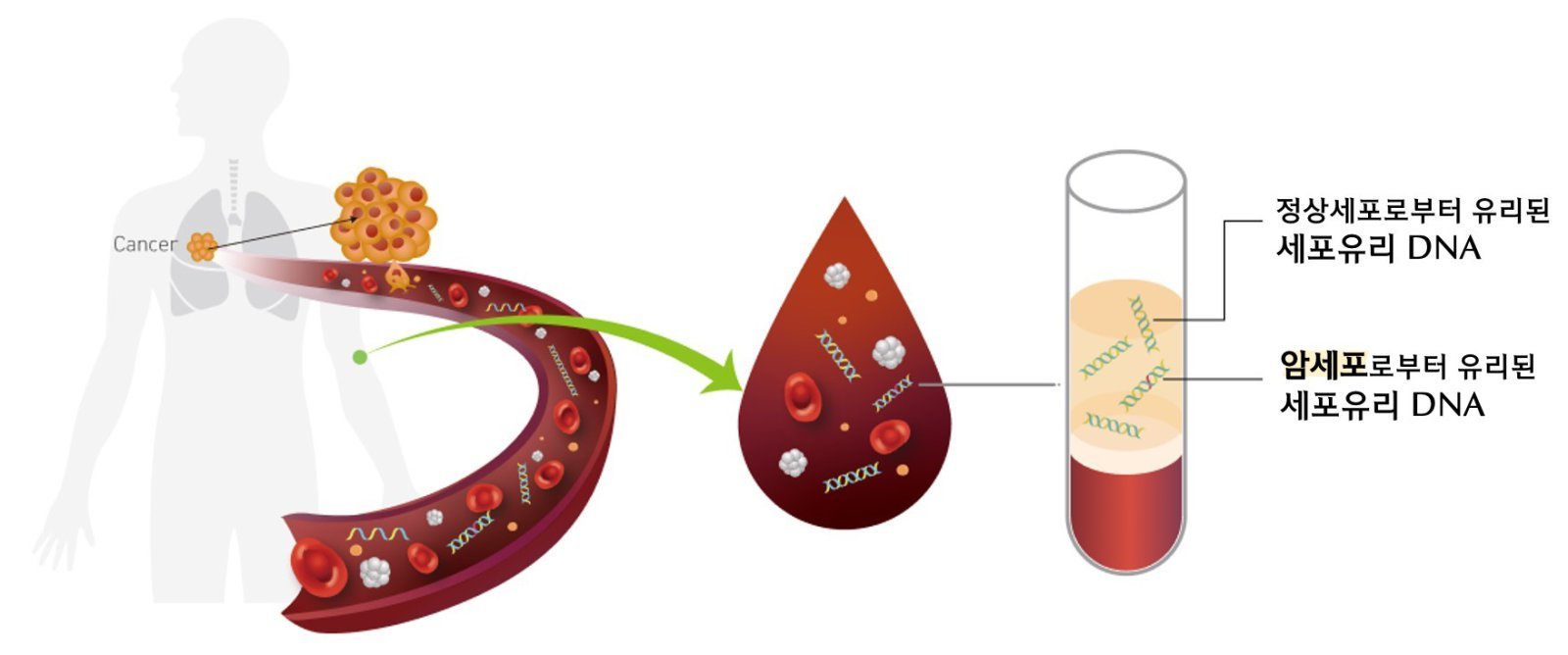
The new blood test analyzes short DNA fragments released into the bloodstream from dying cells, including those from cancer cells. AI algorithms are trained to identify subtle differences in these DNA fragments, such as length and structural patterns, to indicate the presence of cancer.
While the results are promising, researchers caution that further studies are needed to confirm the test's performance in asymptomatic individuals and its effectiveness as a primary screening tool. Currently, it is seen as a potential new pre-screening method to encourage more people to undergo colonoscopies, rather than a complete replacement for them. The test also showed a 58.3% sensitivity for advanced colorectal polyps, which are pre-cancerous lesions.
Early detection of colorectal cancer can lead to treatment through endoscopic resection, contributing to improved survival rates and quality of life after treatment.
About this summary
Originally published by Dong-A Ilbo in Korean. Translated, summarized, and contextualized automatically by DistantNews, with a note on how the source frames the story. Not individually reviewed before publishing. How this works.
More Stories


From Our Blog

What Gets Lost (and Found) When News Is Translated

The Critical Role of Diaspora Media in Global News

What Travellers Should Know About Countries with Restricted Press

A Digital Nomad's Guide to Following Local News

How the Same Story Looks Different in Different Countries
