


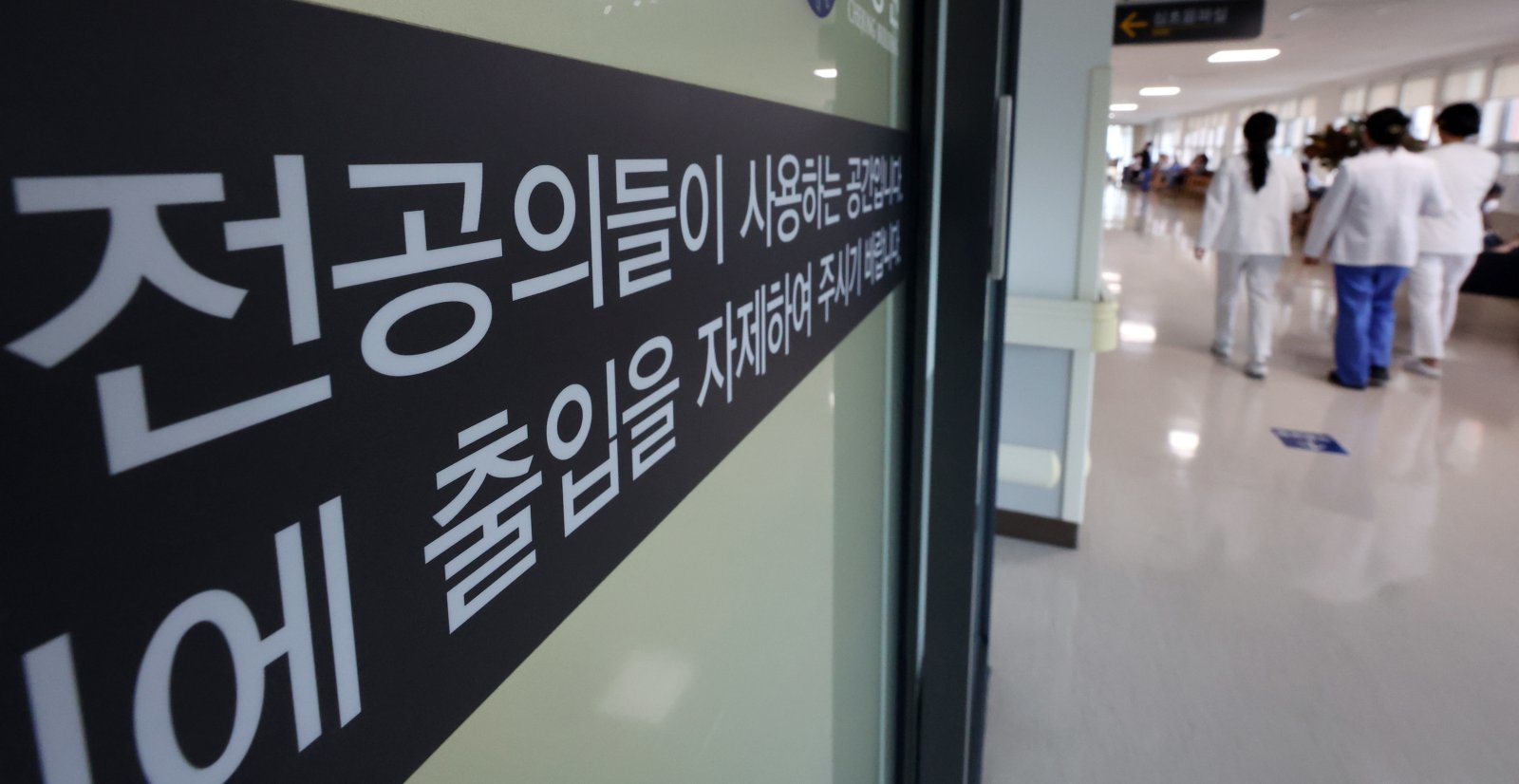
Foreign Medical School Graduates Training in South Korea Surge, Increasingly Choosing Essential Medical Fields
Translated from Korean and summarized by DistantNews. Read the original for the full story.
At a glance
News
Official statement
Context piece
- The number of residents training in South Korea who graduated from foreign medical schools has surged by 3.4 times in seven years, reaching 204 in the first half of this year.
- These foreign-trained doctors are significantly more likely to specialize in essential medical fields like surgery and obstetrics, with about 32% choosing these areas compared to 14.8% of domestic graduates.
- This trend is attributed to an increase in individuals obtaining foreign medical degrees and obtaining Korean medical licenses, alongside shifts in the medical training landscape possibly influenced by recent doctor-patient negotiations.
The number of doctors training in South Korean hospitals after graduating from foreign medical schools has more than tripled in seven years, with a notable increase in those opting for essential medical specialties. As of the first half of this year, 204 foreign-trained residents were undergoing training, a substantial rise from just 60 in 2019.
This surge is particularly significant because these doctors are disproportionately choosing to specialize in critical fields such as surgery, obstetrics and gynecology, emergency medicine, pediatrics, and cardiovascular and thoracic surgery. Approximately 32% of foreign-trained residents are pursuing these essential medical careers, a rate more than double that of domestic medical school graduates, where only 14.8% choose these specialties.
Digging deeper into specific departments reveals a stark contrast. For instance, 11.2% of foreign-trained residents are specializing in surgery, compared to just 3.4% of their domestic counterparts. Similarly, 10.2% of foreign-trained residents are in obstetrics and gynecology, versus 4.2% of domestic graduates. Emergency medicine also sees a higher representation from foreign-trained doctors at 7.1% compared to 4.6%.
Several factors are believed to be driving this trend. There's an overall increase in individuals completing medical degrees abroad and subsequently obtaining Korean medical licenses. Furthermore, the recent tensions and negotiations between doctors and the government in South Korea may have created more openings for foreign-trained doctors in residency programs. Analysts also suggest that the intense competition for highly sought-after specialties like dermatology and plastic surgery might be pushing foreign-trained doctors towards essential medical fields where entry might be comparatively less challenging.
About this summary
Originally published by Dong-A Ilbo in Korean. Translated, summarized, and contextualized automatically by DistantNews, with a note on how the source frames the story. Not individually reviewed before publishing. How this works.
More Stories


From Our Blog

What Gets Lost (and Found) When News Is Translated

The Critical Role of Diaspora Media in Global News

What Travellers Should Know About Countries with Restricted Press

A Digital Nomad's Guide to Following Local News

How the Same Story Looks Different in Different Countries
